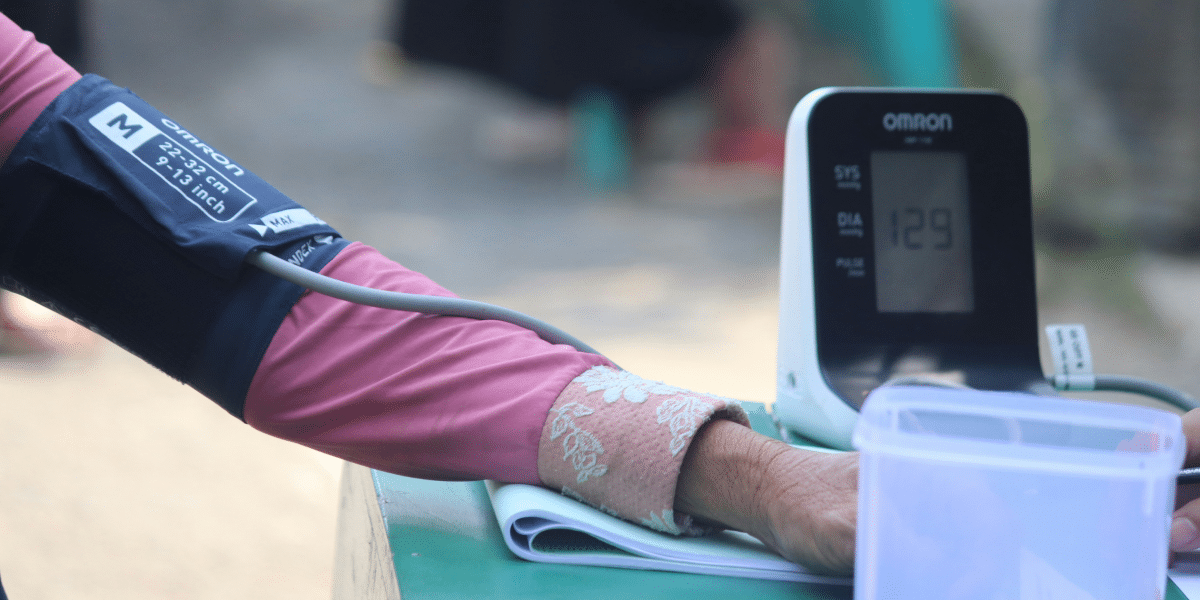


Understanding your blood pressure is crucial for maintaining both mental and physical health. While you might not necessarily be aware of what your blood pressure is at all times, it’s important that you understand the role it plays in your overall health.
This blog will explain blood pressure, how it affects well-being, and the steps you can take to manage it effectively.
So, let’s get into it!
Introduction to Blood Pressure
Blood pressure measures the force of blood against the walls of your arteries. It’s recorded with two numbers; the first (systolic) measures pressure when your heart beats, and the second (diastolic) measures pressure when your heart rests between beats. Normal readings are usually around 120/80 mmHg.
Monitoring your blood pressure is vital. High blood pressure, or hypertension, can lead to severe health problems, including heart disease and stroke. Conversely, low blood pressure, or hypotension, can result in dizziness and fainting. Therefore, knowing your numbers is essential for your overall health.
The Link Between Blood Pressure and Health
Blood pressure directly influences both physical and mental well-being. Hypertension can damage your arteries, leading to heart attacks or strokes. It also makes your heart work harder than it should, which can cause heart failure over time.
Low blood pressure, while often less discussed, impacts health too. It can lead to insufficient blood flow to your organs, causing fatigue, dizziness, and even shock in extreme cases. Both high and low blood pressure can affect your mental health by increasing stress and anxiety levels.
Lifestyle Factors in Managing Blood Pressure
Diet plays a critical role in blood pressure management. Consuming less sodium and more fruits and vegetables can help lower blood pressure. Foods rich in potassium, such as bananas and sweet potatoes, are particularly beneficial.
Exercise is another key factor. Regular physical activity strengthens your heart, making it more efficient at pumping blood. Aim for at least 150 minutes of moderate aerobic exercise, like walking or cycling, each week.
Stress management is equally important. Chronic stress can contribute to high blood pressure. Techniques like meditation, deep breathing exercises, and yoga can help reduce stress levels and thereby aid in blood pressure control.
The Importance of Regular Check-ups
Regular check-ups are vital for monitoring your blood pressure. Healthcare providers use accurate devices to measure your readings and can offer valuable advice on managing your levels. They can also identify potential issues early, allowing for timely intervention.
Medical scribe services can be particularly helpful during these check-ups. They ensure accurate recording of your blood pressure and other vital signs, allowing healthcare providers to make more informed decisions about your health.
The Bottom Line
Blood pressure significantly impacts both your mental and physical health. Understanding your readings, adopting a healthy lifestyle, and attending regular check-ups are essential steps in managing your levels. Take action today to monitor your blood pressure and maintain your overall well-being.
Remember, small changes can lead to significant improvements in your health. Stay informed and proactive in managing your blood pressure for a healthier future!
Published by: Holy Minoza