

By: Jaxon Lee
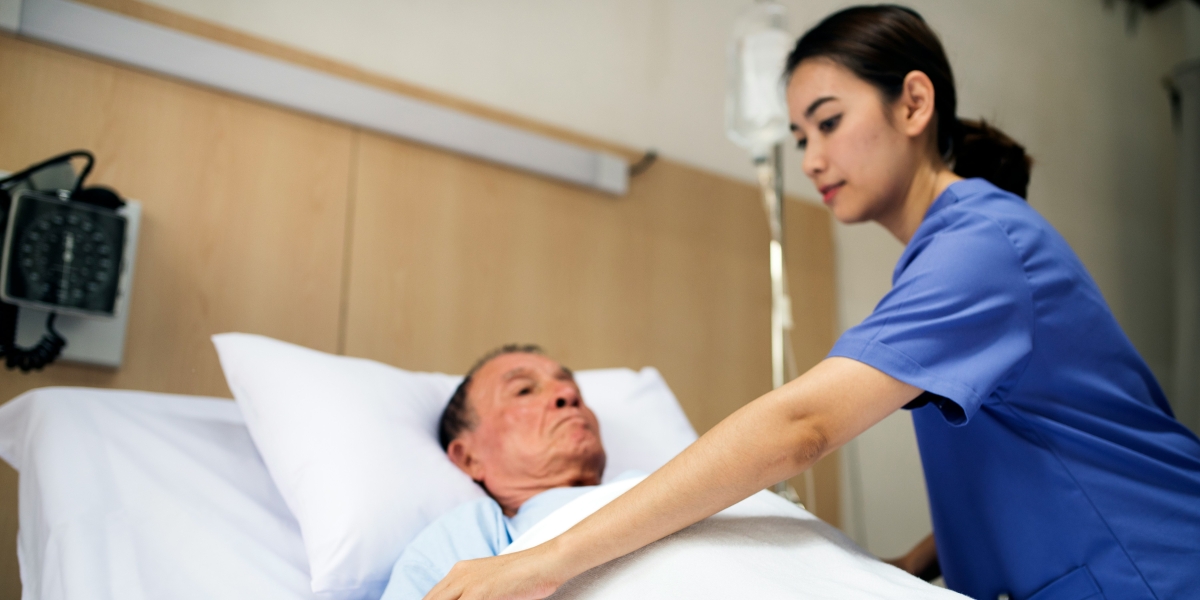
Sometimes, doing what’s best for someone you love isn’t about picking the fanciest clinic or the latest treatment. It can mean sitting by their bedside, doing your best with what you have. That’s what happened when my mother developed a diabetic wound and couldn’t get to a wound care clinic. A small sore quickly became a severe ulcer, and bedside wound care became our only choice.
I’m sharing my story because many families go through this. When someone can’t get around, can’t travel, or is dealing with a long-term illness, bedside wound care is often necessary. It might seem overwhelming at first, but it can also be gratifying.
When Diabetes Complicates Everything
My mother has had diabetes for years, but as she aged, moving around got harder. Simple things like getting in the car, walking far, or going to a busy doctor’s office became tough. She started to depend on me more for daily tasks. I was happy to help, but with diabetes, even minor issues can quickly become big problems.
The wound started as a small spot on her heel. She thought it was just from her slippers, but I saw the skin breaking down and turning darker. A few days later, it became an ulcer. I knew diabetic wounds were severe, so I made a clinic appointment. But on the day of the visit, she couldn’t stand on her foot because of the pain, and getting her into the car was almost impossible.
That’s when I realized my mother couldn’t get to the clinic.
Feeling Helpless, Then Finding Support
I felt helpless. I knew diabetic wounds needed quick care. I’d seen how ulcers could turn into infections and become dangerous. I worried about serious problems like hospital stays or even amputation.
I called the clinic and explained what was happening. They suggested home bedside wound care and put me in touch with a nurse who could visit us. That call made a big difference. It showed me that healing can happen at home with the right help and support.
Starting Bedside Wound Care
The wound care nurse came within two days. She checked my mother’s ulcer, looked at her circulation, and examined the skin around it. Then she showed me, step by step, how to clean, dress, and watch the wound.
Her instructions were simple, but they made a huge difference:
- Clean the wound gently.
- Apply the proper topical medication.
- Use moisture-balanced dressings
- Keep pressure off the affected area.
- Watch for signs of infection.
- Make daily care part of her routine.
At first, I was nervous. I worried about hurting her or making a mistake. But the nurse was patient and told me that many caregivers do wound care at home. She said being consistent and keeping things clean mattered as much as medical skill.
The Emotional Side of Caring for a Parent
Caring for my mother’s wound was more than just a physical job. It was emotional, too. Seeing her depend on me for something so personal made me realize how our roles had changed. She had always cared for me, and now I was caring for her in new ways.
Some days were tough. Sometimes she felt down and worried the wound wouldn’t heal. Sometimes I felt overwhelmed by work, caregiving, and my own stress. But each time I changed her dressing, checked her blood sugar, or helped her move her foot, I knew we were facing this together.
What Makes Bedside Wound Care Effective
I quickly learned that bedside wound care can work very well if done right. For people like my mother, who have trouble getting around or have chronic illnesses, home care can even work better than clinic visits because:
Care is consistent
We didn’t miss appointments because she couldn’t leave the house. Wound care happened every single day.
Pressure is reduced
Staying in bed made it easier to keep pressure off the wound, which is important for healing.
Comfort improves healing
Being at home helped her feel less stressed, and less stress helps the body heal faster.
Early changes are easier to spot
Since I checked her wound every day, I could spot changes or problems sooner than if we had only gone to the clinic once a week.
Family support makes a difference
Emotional support is important. Healing is not just physical, it’s mental too.
The Turning Point
After a few weeks of bedside care, we saw real progress. The wound looked healthier, the edges were starting to close, and there was less drainage and redness. The nurse confirmed what I hoped: the wound was finally getting better.
As the weeks went by, the wound kept healing and getting smaller. My mother’s mood got better. She ate and slept better, and she felt hopeful again. Small wins, like the first day she didn’t need pain medicine, gave us reasons to celebrate.
The Day We Knew She Would Heal
Several months after we began bedside wound care, the nurse came for a regular visit. She took off the dressing, looked at the skin, and smiled. “It’s healing beautifully,” she said. “You’ve done an amazing job.”
Hearing those words made me emotional. It wasn’t just the wound that was healing, it was my mother. And I was part of that process.
Why Bedside Wound Care Is Sometimes the Ideal Option
Not everyone can travel to a clinic, and not every wound needs special equipment to heal. Sometimes, bedside wound care is the premier choice, whether it’s because of mobility problems, trouble with transportation, chronic illness, or the need for daily care.
Here’s what bedside wound care can offer:
Accessibility
Care takes place where the patient is, so there’s no need to travel.
Continuity
Treating the wound every day helps it heal faster and more reliably.
Comfort
Patients feel safer and more comfortable at home.
Family involvement
Family members are an important part of healing.
Holistic support
Emotional, physical, and medical needs can all be met at the same time.
My Final Message to Families
If you’re caring for someone who can’t go to a wound clinic, know that healing at home is possible. With the right advice, supplies, and support, bedside wound care can make a big difference.
It made a big difference for my mother. It wasn’t always easy, but it was worth it.
Disclaimer: The information provided in this article reflects the personal experience of the author and is not intended as medical advice. Results may vary depending on individual circumstances. For professional medical guidance, please consult with a healthcare provider.