

Since the dawn of time, we have enjoyed the thrills and spills of drinking alcohol, so it’s no surprise that humans have created hangover pills to try and rid ourselves of those pesky headaches and icky stomach pains – but do they actually work?
First, we must understand the science of hangovers and how alcohol impacts our bodies.
Understanding Hangovers and Alcohol Metabolism in the Body
A hangover is the body’s physical response to alcohol consumption. Symptoms include headache, dizziness, nausea, fatigue, and dehydration. As the body breaks down alcohol, several physiological changes occur that lead to these unpleasant sensations.
When we drink alcohol, it enters the bloodstream and is primarily processed by the liver. The liver enzymes break it down in stages: first into acetaldehyde, a toxic substance, and then into acetate, which is eventually removed from the body. This process sounds smooth, but the breakdown of acetaldehyde, specifically, causes stress on the liver and contributes to hangover symptoms.
Why Hangovers Happen: Key Factors
Dehydration
Alcohol is a diuretic, meaning it causes the body to lose water, leading to dehydration. This is why a hangover often comes with a dry mouth, headache, and fatigue.
Alcohol and Blood Sugar Levels
Alcohol impacts the body’s glucose production, potentially causing blood sugar levels to drop. During a hangover, this can make you feel shaky, weak, or irritable.
Congeners in Alcohol
Some types of alcohol, like whiskey or red wine, contain higher levels of congeners—byproducts of fermentation that add flavor but can worsen hangovers. Clear liquors like vodka have fewer congeners and may lead to milder hangovers.
Vitamins and Supplements for Hangovers
For those seeking the ultimate hangover cure, several vitamins and supplements have been researched for their ability to reduce hangovers.
Dihydromyricetin (DHM)
DHM, derived from the Japanese raisin tree, has been studied for its effects on reducing alcohol-related symptoms. Research published in The Journal of Neuroscience found that DHM can help reduce intoxication symptoms and may assist in recovery after alcohol consumption, as it supports liver function and reduces hangover severity.
Milk Thistle
Milk thistle is often recommended for liver support, especially for its active compound, silymarin, which has antioxidant and anti-inflammatory properties. Some studies suggest that milk thistle may support liver health by protecting liver cells from toxins, including those produced during alcohol metabolism.
One study published in Phytotherapy Research found that silymarin helped improve liver function markers in people with liver damage from various causes, including alcohol consumption.
Vitamin B Complex
Studies have shown that B vitamins, especially B6, play a role in alleviating some hangover symptoms. Alcohol depletes B vitamins, and a B-complex supplement may help replenish these levels, potentially reducing fatigue and mental fog. A 2019 study published in The Journal of Clinical Medicine found that supplementing with B vitamins and zinc was associated with reduced hangover severity in heavy drinkers.
Zinc
Zinc has been studied for its potential to mitigate hangover symptoms. Research published in The Journal of Clinical Medicine in 2019 indicated that combining zinc with B vitamins was effective in reducing hangover severity, suggesting that zinc helps with metabolizing alcohol and alleviating related symptoms.
Prickly Pear Extract
Prickly pear cactus extract has anti-inflammatory properties that may help reduce hangover symptoms. A study published in Archives of Internal Medicine found that prickly pear extract helped reduce symptoms such as nausea, dry mouth, and lack of appetite in participants who took the supplement before consuming alcohol.
N-acetylcysteine (NAC)
NAC is a powerful antioxidant and precursor to glutathione, an essential compound the liver uses to detoxify harmful byproducts of alcohol. A study in Alcohol and Alcoholism noted that NAC supplementation could help combat oxidative stress and support liver function, which may help prevent or reduce hangover symptoms.
Ginger and Turmeric
Both ginger and turmeric contain compounds with anti-inflammatory properties. A 2020 study in Food & Function found that a combination of ginger and pomegranate was effective in reducing hangover symptoms, including nausea and stomach upset, which are common after drinking.
Magnesium
Alcohol consumption depletes magnesium, which can exacerbate symptoms like fatigue and headaches. A study published in The Journal of the American College of Nutrition showed that magnesium supplementation could help reduce these symptoms in those with lower levels of this mineral.
So, do Hangover Pills work?
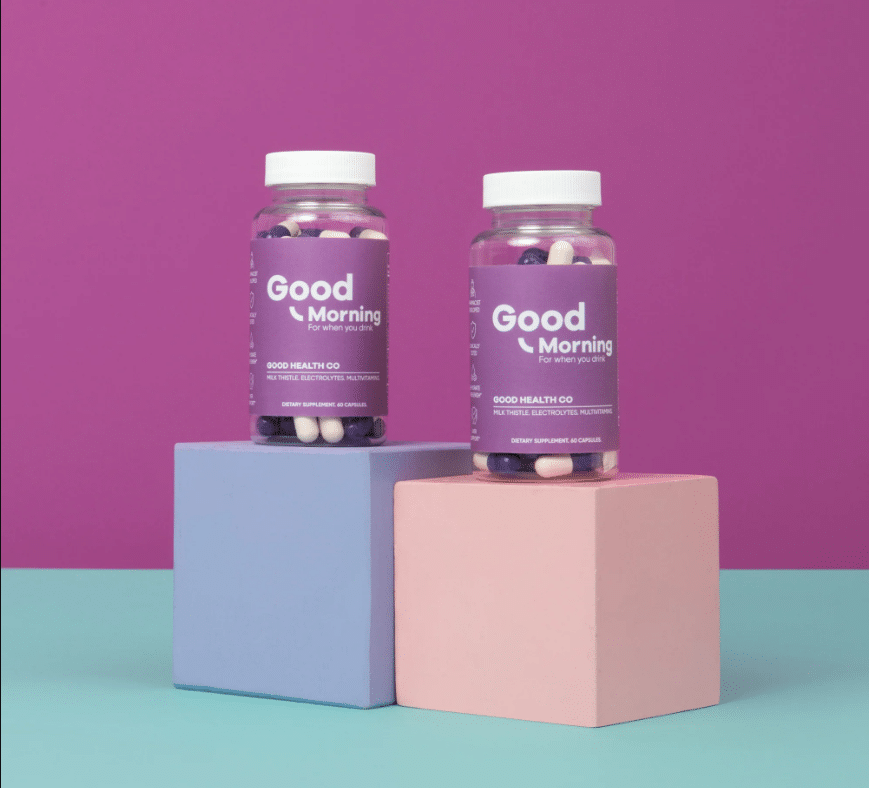
Photo Courtesy: Good Health Co
Alcohol impacts nearly every system in our body, and how people metabolize alcohol can influence how their bodies react to it and, subsequently, how intense their hangovers are.
The University of the Pacific has clinically tested one hangover pill in a randomized, double-blinded, placebo-controlled crossover pilot study.
The Clinical and Outcomes Research (iCOR) lab at the Thomas J. Long School of Pharmacy and Health Sciences took healthy volunteers who received either the actual product or a placebo on two different occasions. Hangover severity was assessed using the Acute Hangover Scale (AHS) and Acute Hangover Severity Scale (AHSS) validated tools.
The conclusion? Good Morning Hangover Pills showed “positive signals in the prevention of alcohol-induced hangovers, especially headaches.”
Participants say the improvements surpassed the minimum clinically significant difference in the overall AHS score and three individual AHS symptoms scores (hangover, headache, and thirst).
Disclaimer: The information provided in this article is for informational purposes only and is not a substitute for professional medical advice, diagnosis, or treatment. Hangover remedies, including supplements and other products mentioned, may have varying effects based on individual health conditions, tolerance, and body chemistry. Always consult with a healthcare provider before trying new supplements, especially if you have underlying health conditions or are taking other medications. The efficacy of hangover supplements is not guaranteed, as individual responses to alcohol and recovery aids can differ widely. For specific concerns about alcohol consumption or hangovers, please seek advice from a qualified healthcare professional.
Published by: Khy Talara