


By: Charls Ferstone
In recent years, aesthetic surgery has undergone a profound transformation. Techniques have evolved, but so has the mindset. More and more specialists are stepping away from traditional approaches to embrace a vision that integrates health, authenticity, and emotional well-being. Among them is a growing movement that invites us to rethink how medicine, the body, and personal identity intersect.
One of the voices leading this shift is Dr. Jonathan Kanevsky, who began questioning conventional breast implants when concerns about their long-term impact started to surface. “Medicine must evolve alongside science, but also in alignment with human values,” he explains. Listening to women, understanding their fears, and challenging established paradigms pushed him to explore new alternatives and reconsider his own philosophy. Today, he prioritizes safety, authenticity, and each patient’s deeper sense of self over superficial results.
The Rise of Awareness Around BII
The rapid growth of public awareness surrounding Breast Implant Illness (BII) comes as no surprise to the surgeon. He believes the explanation lies in a broader cultural shift: we live in an era of radical transparency. Social media has given women a powerful platform to share health experiences that were once ignored or minimized, while the wellness movement has encouraged people to pursue root-cause understanding rather than quick fixes. “We’re questioning old medical paradigms and demanding deeper accountability,” he notes.
A New Approach to Self-Image: From Perfection to Authenticity
Beyond the technical aspects, Dr. Kanevsky sees a significant change in how women view their bodies. Today, many seek aesthetic procedures not to fit an external ideal, but to express their identity. The trend leans toward subtle, natural enhancement rather than dramatic transformation. “We’ve shifted from ‘fixing flaws’ to celebrating who we are,” he says, calling it a healthier, more sustainable mindset.
Surgery as Ceremony
One of the most distinctive elements of his approach is the concept of “Surgery as Ceremony”—a framework that introduces emotional and symbolic depth into surgical procedures. In many cultures, major life transitions are marked with ritual. Kanevsky realized his patients were experiencing something similar: a transition into a new chapter of confidence, healing, or self-renewal. By incorporating moments of reflection and intention, he offers an experience that patients describe as grounding, meaningful, and transformative beyond the physical result.
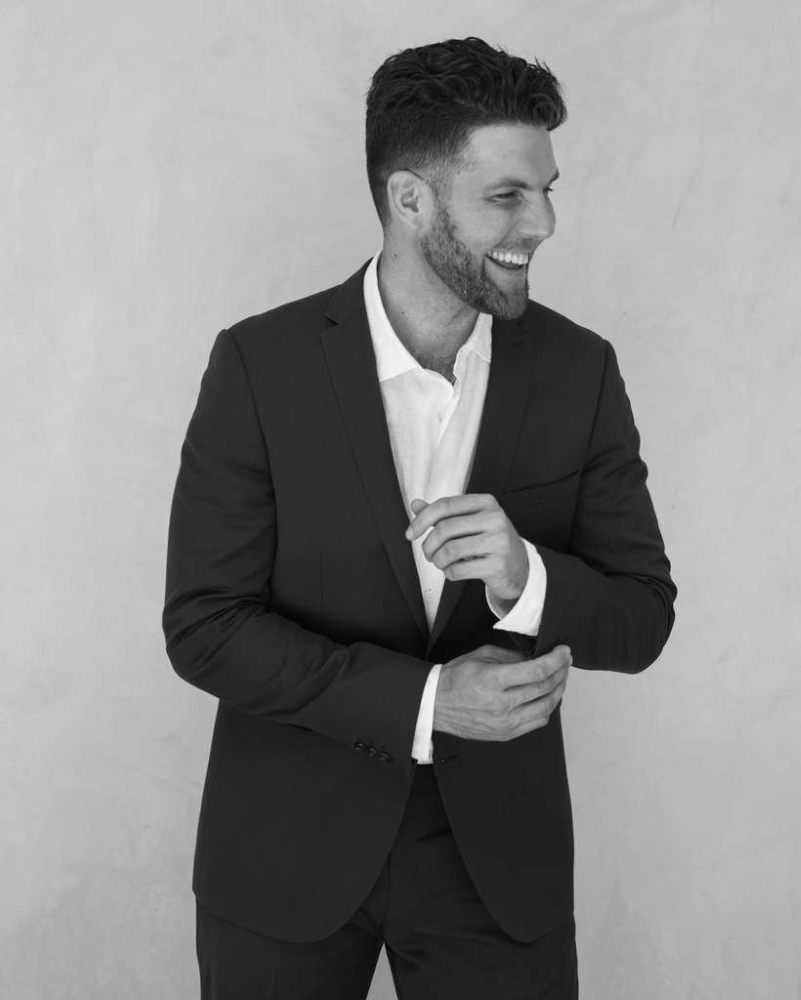
Photo Courtesy: Dr. Jonathan Kanevsky
Intention, Calm, and a New Relationship With the Operating Room
The surgeon recognizes that surgery is often associated with fear or anxiety. Yet he has seen how the experience changes when patients take time to reflect on their intention. That simple act brings clarity and a sense of agency. While it doesn’t erase normal nerves, it shifts the energy from fear to purpose, turning the operating room into a space of empowerment rather than uncertainty.
Where Art, Science, and Humanity Meet
For Dr. Kanevsky, surgery is more than technique—it’s a collaboration between scientific precision, artistic sensitivity, and psychological understanding. “The greatest risk is losing sight of the person,” he says. His work aims to make sure that neither science nor artistry overshadows the patient’s humanity. In his view, beauty is not just about proportions; it is about authenticity and alignment with one’s inner narrative.
The Influence of Culture on Beauty Perception
The surgeon also highlights the profound impact of cultural background. Some cultures value subtlety and harmony, while others celebrate boldness and visibility. With globalization, many of these ideals have blended, and patients often carry both their cultural roots and global influences into the consultation room. Kanevsky sees his role as helping them identify what feels truly authentic to them—not what trends dictate.
The Shift Toward Natural Aesthetics
The movement toward natural-looking results is driven by several factors: increased health awareness, skepticism toward artificial interventions, and a backlash against heavily edited online imagery. Beauty is increasingly merging with wellness, creating a trend that favors individuality, sustainability, and minimalism.
Empathy and Listening: The Core of Modern Aesthetic Medicine
According to Dr. Kanevsky, most aesthetic requests have an emotional or personal story beneath them. That’s why empathy and active listening are essential, not optional. When patients feel understood, the outcome resonates more deeply—not just visually, but emotionally.
A Message to Those Considering an Aesthetic Transformation
For anyone contemplating an aesthetic change, Dr. Kanevsky offers a final piece of advice: see it as part of your personal evolution. Beyond the physical transformation, take a moment to reflect on the life chapter you’re stepping into. With intention, surgery can become more than a change in appearance—it can be an affirmation of growth, courage, and self-love.
Disclaimer: The information provided in this article is for general informational purposes only and reflects the views of Dr. Jonathan Kanevsky based on his professional experience and expertise in the field of aesthetic medicine. The statements made are not intended as medical advice or endorsements of specific treatments. Individual results may vary, and any medical procedure carries inherent risks. Readers should consult with a qualified healthcare provider to discuss their specific medical needs, options, and potential risks before undergoing any surgical procedures. The article does not claim to diagnose, treat, or cure any medical conditions.