

Once we have conducted a complete examination of your dental health using diagnostic X-rays and other tools, we will devise an individualized treatment plan tailored specifically to you and review alongside any possible health concerns to ensure you are healthy enough for this procedure.
We will numb the area being worked on with local anesthesia and sedation before our surgeon makes an incision into your gums to expose the jawbone underneath. You may find dental clinics in Markham for appropriate dental care and treatment.
Cost
The cost of dental implants will depend on the number and type of teeth replaced. For instance, replacing molars requires more extensive surgery and treatments than teeth in more accessible parts of your mouth, thus may increase treatment costs overall.
Dental implants can be more expensive than traditional options like dentures, but they offer some benefits, such as supporting bone health and helping maintain the shape of your jaw. Implants are also designed to look and feel more natural compared to some alternatives.
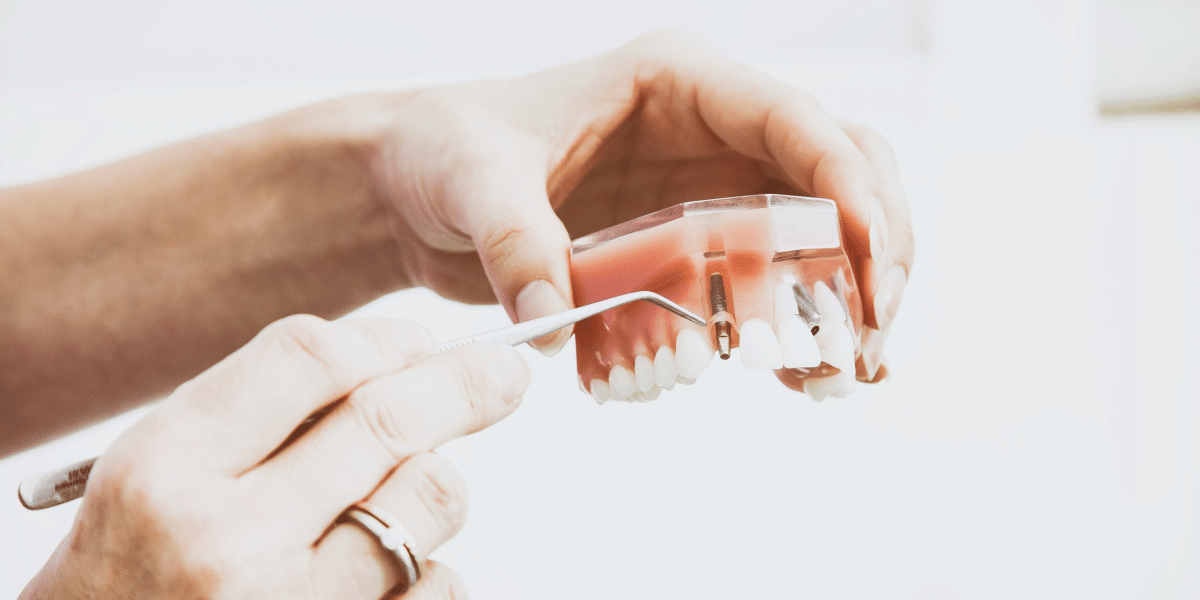
An implant typically comprises three components, such as Zirconia or titanium implants, an abutment, and crowns made of porcelain, which closely resemble natural teeth in terms of look and feel. Many dental insurance providers cover at least some portion of the costs for dental implants; It is a good idea to consult with your provider before scheduling your procedure to understand the cost involved.
Treatment Time
Dental implants are considered a long-term tooth replacement option. In contrast, dentures require ongoing care, which can add to their overall cost over time.
As part of the procedure, your oral surgeon will cut your gum to expose your jawbone and drill holes into it. An implant metal post is placed inside these holes, which will become fused to your bone over time.
Healing may take several months or even a year before an implant is ready for final restoration, such as crown, bridge, or denture fitting. In the interim period, it’s normal to experience discomfort and swelling; over-the-counter pain relievers can provide temporary relief.
Implant site infections may develop if oral hygiene practices are neglected or too much biting force is applied, leading to an infection called peri-implantitis. However, with proper oral hygiene practices, regular professional cleanings, and the use of a bite guard, this risk may be avoided.
Preparation
Your dentist will conduct an intensive assessment during your initial consultation to ascertain your suitability for dental implants, take x-rays, perform visual exams, and review your medical history to develop an individualized treatment plan that considers your concerns and goals.
Your dentist may suggest performing a bone graft procedure if your jawbone is not thick enough to support an implant. This requires taking bone from another area of your mouth or an artificial source and adding it directly onto the jawbone, increasing strength and stability for better support of an implant.
A dentist will assess whether existing teeth in the jaw are healthy. This helps that any new replacement tooth does not interfere with surrounding ones or impede saliva flow. It also recommends patients abstain from harmful habits like smoking and clenching or grinding their teeth.
Recovery
Dental implants provide patients with a natural alternative to missing or damaged teeth, helping to preserve bone, improve oral health, and rebuild self-confidence in those suffering from tooth loss or damage.
Once a tooth is lost, its surrounding teeth can often shift into its space, altering your bite and eventually leading to jawbone deterioration. Replacing your missing teeth promptly is key to avoiding these problems.
Before implant placement, your surgeon will first administer anesthesia or sedation to numb the area before cutting an incision into your gums to expose the bone beneath.
Once the implant has healed, a crown is placed. Dental implants are often considered a more permanent solution compared to dentures. They are designed to look natural, don’t require regular removal and cleaning like traditional bridges, and may last for many years with proper care and regular dental check-ups. Dental insurance coverage can vary, so it’s advisable to review your policy details to understand what costs may be covered.
Disclaimer: This article is for informational purposes only and should not be considered as medical or dental advice. The details provided may vary depending on individual circumstances and the specific treatment plan developed by your dental provider. Treatment options, costs, and recovery times can differ based on factors such as the number of teeth being replaced, your oral health, and the materials used. Always consult with a qualified dentist or oral surgeon to discuss your specific needs, treatment options, and potential risks.
Published by Elle G.