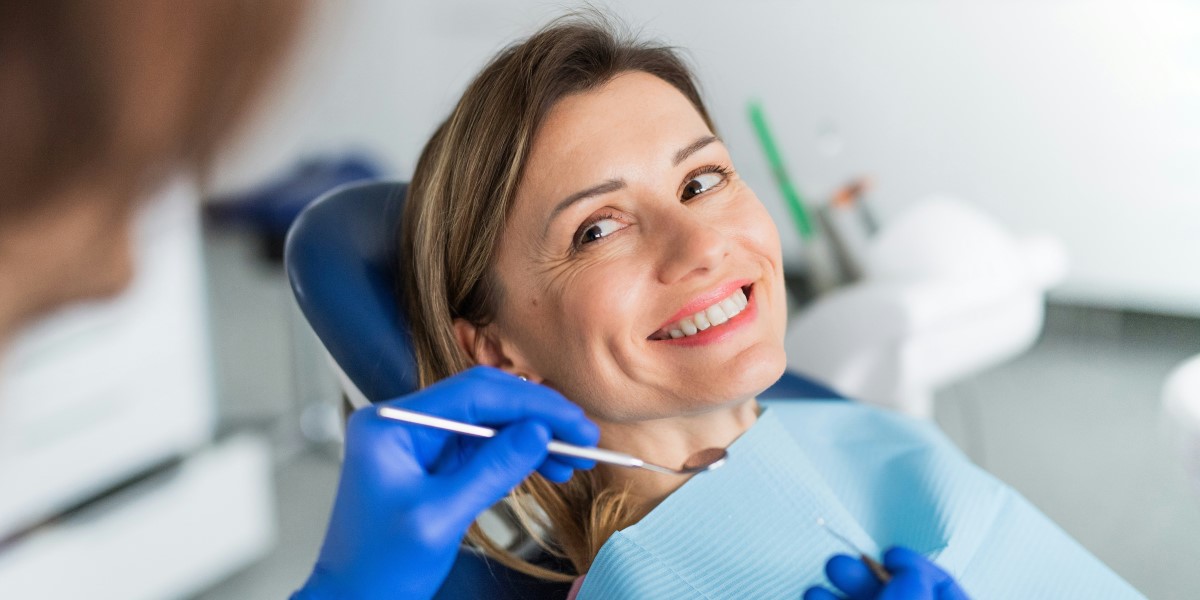


Dental bridges can help restore chewing and speech functions by filling the space left by missing teeth and may help prevent adjacent teeth from shifting.
Dental bridges consist of artificial teeth called pontics cemented onto healthy teeth on either side of a missing one to fill in for missing tooth(s). The process for getting one usually requires multiple visits and may include taking medication to provide pain relief. Cosmetic dentist can help you get the perfect smile with dental bridges.
Natural Appearance
Dental bridges may offer many advantages to individuals missing multiple teeth. A major one is that they can fill gaps in your smile to create a more natural appearance; this feature can significantly benefit those whose missing several of their natural teeth have caused issues with alignment or even damaged their gums.
Dental bridges are carefully crafted to blend seamlessly into your smile so no one will know about missing teeth.
Traditional dental bridges are the most widely-used choice, consisting of crowns on both sides of a gap with a pontic in between made from porcelain fused to metal for durability and lifelike appearance. Resin-bonded bridges may also be beneficial in front teeth situations as they require less preparation of adjacent teeth while still placing pressure on abutment teeth.
Strength
Dental bridges can help replace lost teeth and restore your smile’s function, appearance, alignment, bite comfort, and function. Furthermore, they prevent adjacent natural teeth from shifting into gaps caused by missing ones and cause further issues like chewing and speaking difficulties.
Traditional bridges consist of crowns on either side of the gap with a pontic in between, while resin-bonded bridges use metal or porcelain frameworks with resin wings on either side for attachment to fill any gaps between existing natural teeth and gaps in between. Resin-bonded bridges are most frequently employed when only healthy natural teeth remain on either side.
Both types of bridges rely on healthy surrounding teeth known as anchor teeth (or “abutment teeth”) as anchor points to support and secure them, known as abutment teeth. Abutment teeth may need to be reshaped and filed down to support a dental bridge. With time, these teeth might be more vulnerable to issues like cavities or fractures if oral hygiene is not carefully maintained.
Durability
Bridges made from ceramic materials bonded to metal alloys are known for their durability. Their biocompatibility may also reduce the likelihood of allergic reactions in some patients.
Their fit and alignment can influence the longevity of dental bridges. When created by experienced dentists, a proper fit may help reduce stress on surrounding teeth and bite forces that could affect their durability.
Bridges may require repair or replacement in certain instances due to tooth decay, dental trauma, or wear and tear over time. With proper care and maintenance, dental bridges can last for many years. Patients should brush and floss around their bridge regularly to remove food debris plaque and prevent gum inflammation or infection. They should also schedule regular exams with their dental hygienist.
Comfort
A bridge can help restore your smile by enabling you to chew and speak normally again, prevent nearby teeth from shifting into gaps, and maintain facial structures.
Your dentist will verify that you are an ideal candidate before reshaping healthy adjacent teeth to accommodate crowns and taking precise impressions to ensure the bridge blends in seamlessly with your natural smile.
The abutment teeth must be strong enough to support a bridge, so any decay or trauma must be treated before placing your bridge. Brushing, flossing, and using antiseptic mouthwash regularly will protect both natural and abutment teeth and promote long-term health benefits for you and your bridge.
Regular visits with your dentist will help ensure that your bridge remains comfortable and functional and address any discomfort promptly. Be sure to discuss this issue with them to address any concerns quickly.
Convenience
Dental bridges provide an efficient and effective solution to missing teeth, improving appearance and chewing ability. They fill the gap with artificial teeth anchored by crowns on natural surrounding teeth (known as abutment teeth).
Your dentist will use local anesthesia to make the procedure as painless and comfortable as possible. To prepare the abutment teeth, your dentist may reshape them by extracting some enamel since these steps cannot be reversed.
Once your abutment teeth and pontics are ready, your dentist will create a temporary bridge while they wait for the lab to create the final one. After installing it, he or she will test it to ensure it fits appropriately before cementing it.
Dental bridges keep your other natural teeth from shifting out of position and can also aid your oral health by protecting them from becoming loose or developing cavities. Furthermore, they prevent jaw bone tissue from degrading further, which would otherwise lead to tooth loss or facial collapse.
Disclaimer: The information provided in this article is intended for general informational purposes only and should not be considered as medical advice. Results from dental bridge procedures may vary depending on individual circumstances. It is recommended to consult with a qualified dentist to discuss your specific needs and determine the best treatment option for you.
Published by Mark V.