

Maintaining healthy vision is a lifelong commitment that requires accurate information, regular assessments, and professional guidance. Organizations such as Stahl Eyecare Experts represent the broader field of modern eye care, in which clinical knowledge, technology, and preventive strategies converge to protect one of our most vital senses.
This article explores the fundamentals of comprehensive eye care, the conditions it addresses, and the evolving practices that help individuals maintain clear and comfortable vision at every stage of life.
Understanding Comprehensive Eye Examinations
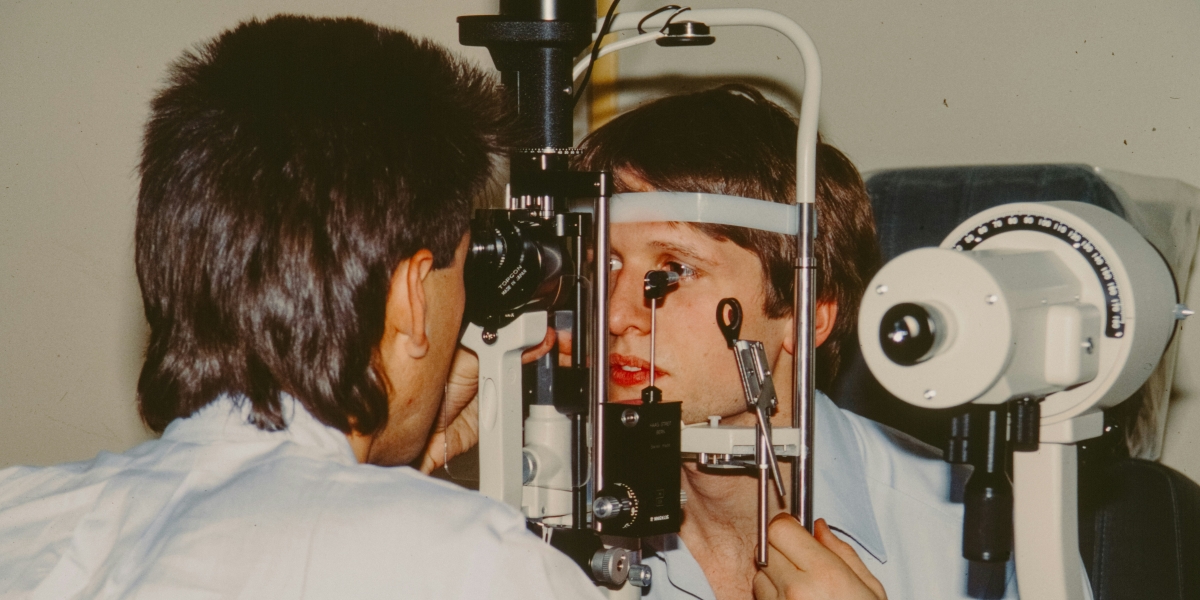
A comprehensive eye examination goes far beyond reading letters on a chart. It is a structured evaluation of visual acuity, eye coordination, focusing ability, and overall ocular health. During an exam, eye care professionals assess how well the eyes work together and how effectively they transmit visual information to the brain.
Equally important is the examination of internal and external eye structures. Using specialized instruments, clinicians evaluate the cornea, lens, retina, and optic nerve to identify early signs of disease. Many serious eye conditions, such as glaucoma or diabetic retinopathy, may not present noticeable symptoms in their early stages. Regular comprehensive exams, therefore, play a critical role in early detection and timely intervention.
Common Vision Conditions and Their Management
Refractive errors are among the most common vision issues worldwide. These include nearsightedness (myopia), farsightedness (hyperopia), astigmatism, and age-related presbyopia. While corrective lenses remain a primary solution, management strategies are tailored to each individual’s visual demands and lifestyle.
Beyond refractive errors, eye care also addresses ocular conditions that affect vision. Dry eye disease, for example, can significantly affect comfort and productivity and may require targeted treatment plans that include lifestyle modifications, therapeutic eye drops, or in-office procedures. More complex conditions, such as cataracts or macular degeneration, require ongoing monitoring and coordinated care to slow disease progression and preserve visual function.
Importance of Preventive Eye Care
Preventive eye care focuses on minimizing risk factors that can lead to vision loss. This includes educating patients about proper screen use, ultraviolet (UV) protection, and workplace eye safety. In today’s digital environment, prolonged screen exposure has increased the prevalence of digital eye strain, making preventive guidance especially relevant.
Nutrition also plays a role in eye health. Diets rich in vitamins A, C, and E, as well as omega-3 fatty acids, support retinal function and overall ocular wellness. Preventive eye care integrates these lifestyle considerations with routine checkups to maintain long-term visual health and reduce the risk of preventable complications.
Pediatric and Geriatric Eye Health
Eye care needs vary significantly across different life stages. In children, early eye examinations are essential for detecting vision problems that may interfere with learning and development. Conditions such as amblyopia (lazy eye) or strabismus (eye misalignment) are most effectively treated when identified early.
In older adults, age-related changes in the eye become more pronounced. Presbyopia, cataracts, glaucoma, and retinal diseases are more common with age and require regular monitoring. Geriatric eye care emphasizes maintaining functional vision to support independence, mobility, and quality of life, often through a combination of corrective solutions and medical management.
Advanced Diagnostic and Treatment Technologies
Advancements in eye care technology have significantly improved diagnostic accuracy and treatment outcomes. Digital retinal imaging, optical coherence tomography (OCT), and automated visual field testing enable clinicians to detect subtle changes in ocular structures with high precision.
Treatment technologies have also evolved, offering minimally invasive options and improved comfort. From advanced contact lens designs to laser-assisted procedures, modern eye care integrates innovation with clinical expertise. These tools not only enhance patient outcomes but also support evidence-based decision-making in the management of complex eye conditions.
Choosing the Right Eye Care Provider
Selecting an eye care provider involves more than convenience. Qualifications, clinical experience, and access to modern diagnostic tools are key factors to consider. A patient-centered approach, where education, clear communication, and individualized care plans are prioritized, helps ensure that vision care aligns with personal health goals.
Consistency is equally important. Establishing a long-term relationship with a trusted provider allows for better tracking of changes in vision and eye health over time. This continuity supports proactive care and timely adjustments to treatment strategies as needs evolve.
Conclusion
Comprehensive eye care is an essential component of overall health, encompassing preventive measures, accurate diagnosis, and effective management of vision conditions. By understanding how eye care works and why regular evaluations matter, individuals can take informed steps to protect their sight. Professional services, such as those represented by Stahl Eyecare Experts, highlight the importance of expertise and ongoing care in maintaining healthy vision throughout life.
Disclaimer: The information provided in this article is for educational purposes only and should not be considered as medical advice. Please consult with a qualified healthcare professional for personalized guidance regarding your eye care and vision health.