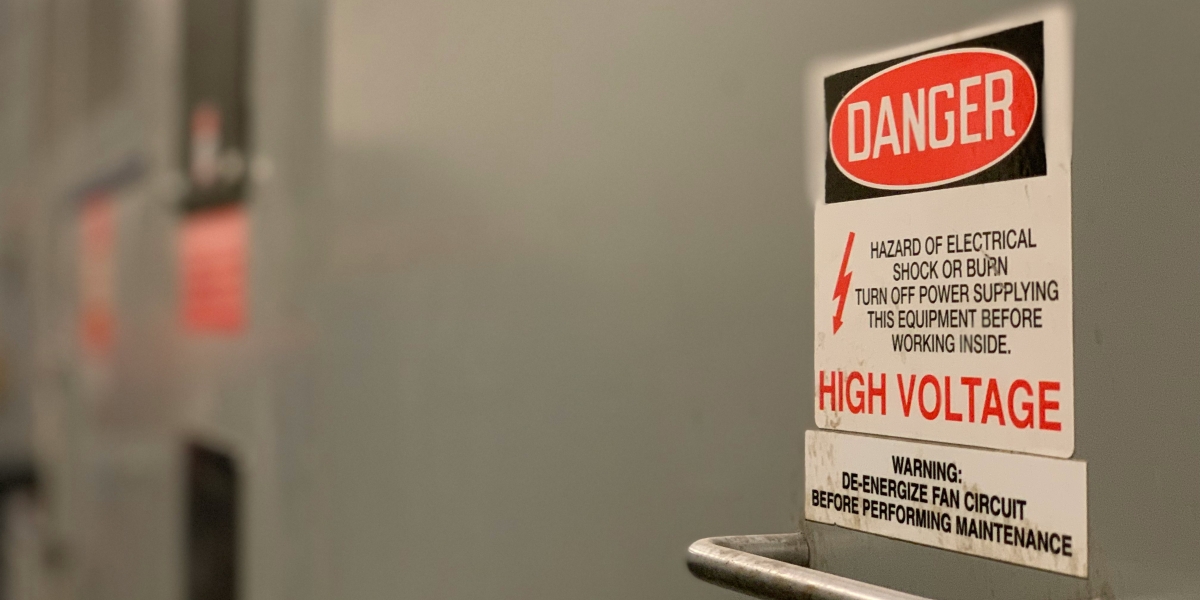


Electrical fuses are essential safety components in any electrical system. They act as protective devices designed to interrupt the flow of electricity when a circuit becomes overloaded or a fault occurs. While they serve a vital function, blown fuses can be inconvenient and may indicate more serious electrical problems. Understanding why fuses blow and how to prevent it can help ensure the safety, efficiency, and longevity of your electrical system.
What Are Electrical Fuses?
Before diving into the reasons why fuses blow, it’s important to understand what electrical fuses are and how they work. A fuse is a thin strip or wire of metal that melts when too much current flows through it, thereby breaking the circuit and stopping the electrical flow. This prevents overheating and potential fires or damage to appliances.
Once a fuse blows, it must be replaced with a new one of the same rating. Unlike circuit breakers, fuses are not resettable, which is why they are generally found in older electrical systems or specific industrial applications.
Common Reasons Fuses Blow
1. Circuit Overload
One of the most frequent causes of blown fuses is an overloaded circuit. This happens when too many electrical devices are drawing power from the same circuit, exceeding the fuse’s current rating. The fuse reacts by breaking the connection to protect the circuit.
Example: Plugging in multiple high-power devices such as a microwave, coffee maker, and toaster into a single outlet can lead to overload.
2. Short Circuit
A short circuit occurs when a live (hot) wire touches a neutral or ground wire. This causes a surge of electrical current that the fuse is not rated to handle, resulting in a blow. Short circuits can happen due to damaged wiring, faulty appliances, or loose connections.
Short circuits are dangerous because they can produce sparks, damage devices, and potentially start fires.
3. Ground Fault
Similar to short circuits, ground faults happen when a hot wire touches the ground wire or a grounded part of the system. These are common in damp or wet environments like bathrooms and kitchens, where moisture increases the risk of electrical faults.
4. Incorrect Fuse Rating
Using the wrong fuse for a specific application can also cause it to blow. If the fuse rating is too low for the circuit, it will blow frequently even under normal operating conditions. On the other hand, a fuse with a rating that’s too high may not blow when needed, risking serious damage.
Always check the manufacturer’s specifications and ensure the correct rating is used for replacement fuses.
5. Faulty Appliances
Sometimes the problem lies with a particular device rather than the electrical system. Old or malfunctioning appliances can draw more current than normal, which can trip the fuse. If a fuse keeps blowing when a specific device is plugged in, the appliance may need repair or replacement.
6. Wiring Issues
Aging, frayed, or improperly installed wiring can lead to frequent fuse blowouts. Rodents chewing on wires, moisture damage, or amateur electrical work are common culprits. Poor wiring increases the risk of short circuits and overloads, making regular inspection and maintenance essential.
How to Prevent Fuses from Blowing
Distribute Load Evenly
Avoid plugging too many high-wattage devices into one outlet or circuit. Use multiple outlets and spread out the load across different circuits.
Upgrade Electrical Panel
Older homes with outdated fuse boxes may not be equipped to handle modern power demands. Upgrading to a circuit breaker panel can provide better safety and convenience.
Check and Maintain Appliances
Regularly inspect your appliances for signs of wear and tear. Ensure cords are intact and devices are functioning correctly. Faulty appliances should be repaired or replaced promptly.
Hire a Qualified Electrician
If fuses are blowing frequently and for no apparent reason, consult a licensed electrician. They can perform a comprehensive electrical audit, identify underlying issues, and ensure your system complies with safety codes.
Use Correct Fuse Ratings
Always replace fuses with ones that have the exact same amp rating. Using a fuse with a higher rating is dangerous and may fail to protect your devices and home.
Install Ground Fault Circuit Interrupters (GFCIs)
In moisture-prone areas, use GFCI outlets to help prevent ground faults and protect against electric shock. These can be a valuable addition to your safety strategy.
Final Thoughts
Blown fuses might seem like a minor inconvenience, but they can be indicative of larger electrical issues. Understanding the common causes and taking preventative steps can help maintain a safe and reliable system. From avoiding overloaded circuits to ensuring proper fuse ratings, a proactive approach goes a long way in reducing disruptions and hazards.
Whether you’re managing a home or overseeing a commercial space, being aware of how electrical fuses function and why they blow is essential. With the right preventive measures, you can protect your equipment, prevent costly damage, and ensure the continued safety of your electrical infrastructure.
Disclaimer: The information provided in this article is intended for general informational purposes only. Electrical work can be hazardous, and it is always recommended to consult with a licensed electrician for professional advice and assistance before performing any electrical tasks. The views expressed in this article are those of the author and do not constitute professional advice.