

Key Takeaways
- Long-term recovery support can help reduce relapse rates.
- Engaging in support networks may foster emotional growth and resilience.
- Continuous care can address co-occurring mental health disorders effectively.
- Structured aftercare programs can enhance life skills and social integration.
Table of Contents
- Relapse Prevention
- Emotional Growth and Resilience
- Addressing Co-Occurring Disorders
- Enhancing Life Skills and Social Integration
- Building and Maintaining Support Networks
- The Role of Aftercare Programs
- Leveraging Technology in Recovery Support
- Summary
Embarking on the journey to sobriety is a commendable step, but maintaining it is an ongoing process that thrives with consistent support and structured care. For anyone considering their options after detox or primary treatment, long-term recovery support has been shown to be an invaluable asset in achieving lasting wellness and stability over time. To learn more about how these supports may make a transformative difference, find out more now.
Sustaining sobriety involves more than abstaining from substances; it means building life skills, enhancing emotional well-being, and nurturing strong support networks. Long-term recovery support offers powerful tools to address setbacks and build resilience, helping individuals find meaning and purpose in every stage of the recovery journey.
As evidence increasingly shows, engaging with comprehensive aftercare—from individual counseling to group programs—not only appears to reduce the risks of relapse but also can foster lasting changes that ripple through one’s relationships and daily life. These support systems provide connection and periodic reassessment as a safety net and a springboard for personal growth.
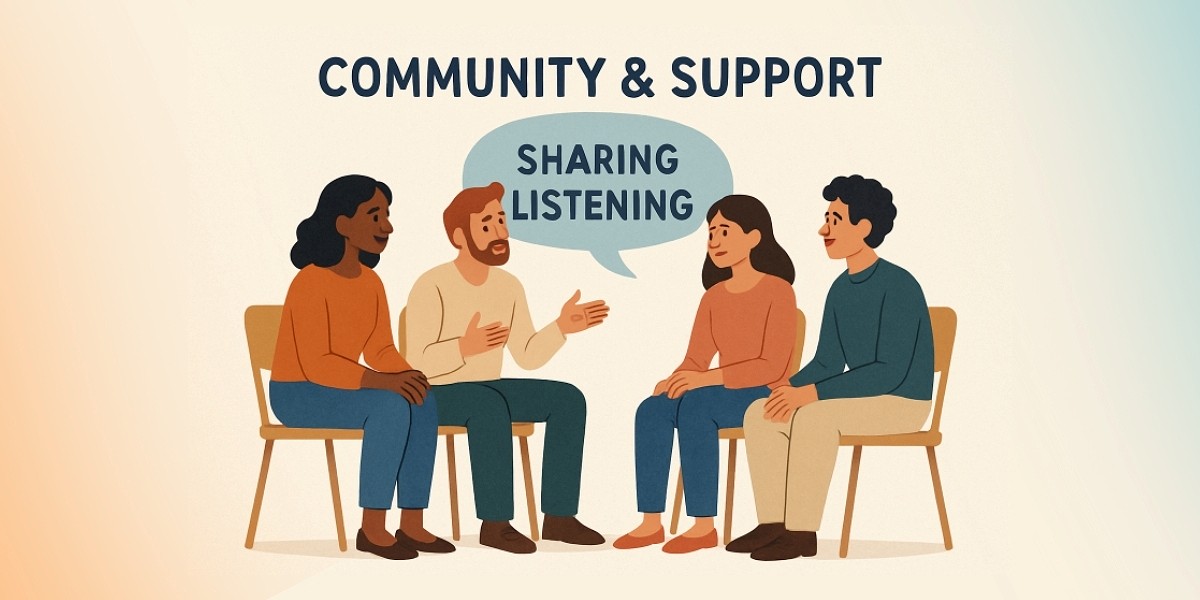
Beyond the individual, ongoing recovery support fosters community. Being part of a network of peers, counselors, and allies may keep motivation high and create a sense of belonging that is critical to long-lasting change.
Relapse Prevention
Relapse remains one of the biggest challenges in addiction recovery, but long-term support can significantly lower its likelihood. According to research from the National Institutes of Health, individuals who remain involved in aftercare programs and ongoing counseling tend to be less likely to relapse compared to those who do not. Recovery support provides practical tools—like trigger management and coping strategies—that can be applied in everyday scenarios, boosting confidence in one’s ability to stay on track.
Emotional Growth and Resilience
Recovery is a profound emotional journey. Continuous support encourages reflection and fosters growth in ways far beyond sobriety. Individual therapy, group sessions, and reflective activities such as journaling may help rebuild self-esteem, nurture healthier relationships, and increase emotional literacy. Over time, individuals tend to learn to identify triggers, manage stress, and respond to challenges with more resilience—skills critical to long-term recovery and overall life satisfaction.
Addressing Co-Occurring Disorders
Mental health challenges often overlap with substance use disorders. Integrated long-term recovery programs can address these co-occurring disorders by ensuring participants receive consistent, holistic care. Regular therapy, psychiatric support, and trauma-informed treatment plans are often coordinated to address the individual as a whole, preventing overlooked issues from derailing progress. The Substance Abuse and Mental Health Services Administration has highlighted the value of a dual-diagnosis approach in addressing both dimensions of recovery.
Enhancing Life Skills and Social Integration
Building life skills is an often underestimated but essential element of sustained recovery. Through practical training and supported practice, individuals acquire the tools for financial management, time organization, meal planning, and more. These competencies help reduce the stressors that could lead to relapse and can improve self-sufficiency and confidence, preparing participants to thrive both personally and socially.
Building and Maintaining Support Networks
Long-term recovery does not happen in isolation. Strong support networks—including family, friends, therapists, and peer groups—are paramount for long-term success. Group therapy or involvement in recovery communities may foster a sense of belonging and accountability, providing encouragement and guidance in difficult moments. Maintaining open lines of communication with trusted individuals and expanding one’s social network lays the foundation for enduring recovery and emotional well-being.
The Role of Aftercare Programs
Aftercare programs bridge the gap between structured treatment and independent living. Offering ongoing therapy, peer group meetings, skill-building workshops, and regular check-ins, these programs help reinforce healthy behaviors and maintain momentum after primary treatment ends. Modalities such as cognitive-behavioral therapy help individuals to reframe their thinking around triggers and cravings, which strengthens adaptive coping mechanisms for the future.
Leveraging Technology in Recovery Support
Recent advancements in technology have greatly expanded the reach and effectiveness of recovery support. Regardless of location, mobile applications and virtual support services offer round-the-clock access to resources, tracking tools, and crisis intervention. Telehealth appointments enable individuals in rural areas or with mobility challenges to stay connected to their recovery team. With virtual meeting platforms, support and accountability are always just a click away, helping more people access life-saving resources on their terms.
Summary
Long-term recovery support can be the cornerstone of sustained sobriety. By providing structure, ongoing care, connection, and practical tools for living, it fosters comprehensive wellness and empowers individuals to build hopeful, fulfilling lives free from addiction. Whether accessing therapy, joining a community, or utilizing the latest digital resources, investing in ongoing recovery support appears to be key to long-term change.
Disclaimer: The information provided in this article is for general informational purposes only and should not be considered as medical advice. While long-term recovery support has been shown to offer potential benefits, individual experiences may vary. It is important to consult with a healthcare professional or licensed counselor to discuss your specific needs and treatment options. The content provided here is not intended to diagnose, treat, or cure any condition.