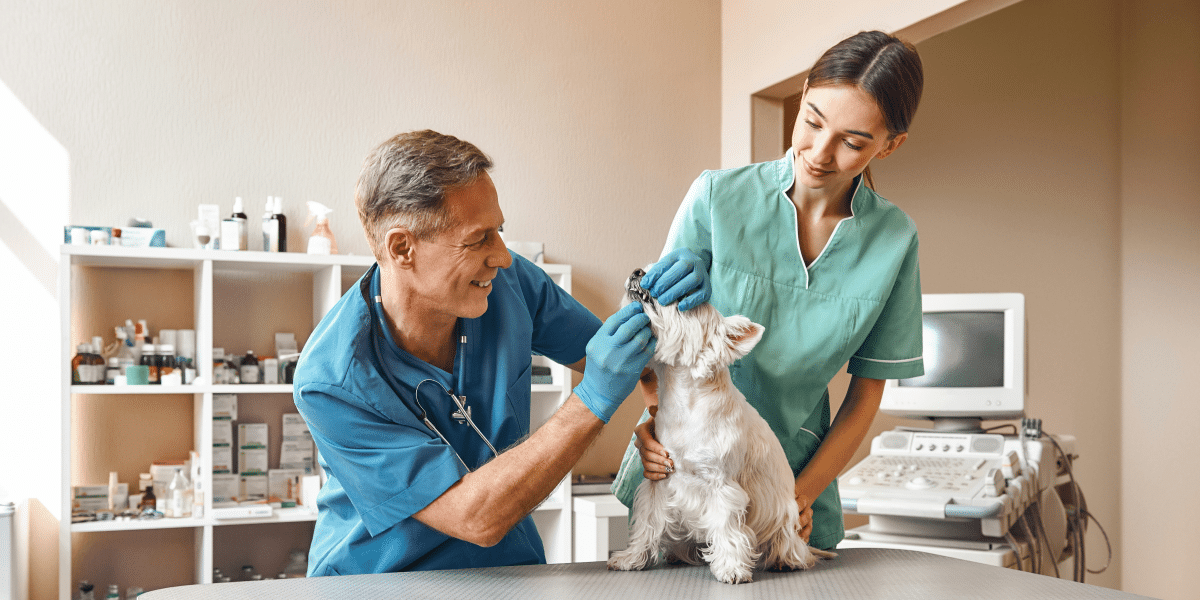


Health testing for dogs is crucial to ensuring their long-term well-being. Regular health checks help detect issues early, allowing for timely treatment and better health outcomes. This article explores the importance of health testing and details the essential annual tests for your dog.
The Importance of Health Testing
Health testing involves regular examinations and diagnostic tests to monitor your dog’s health. Early detection of diseases and conditions can significantly improve treatment outcomes. Regular check-ups also help maintain your dog’s overall well-being and quality of life.
-
Routine Check-ups
Routine check-ups are the foundation of health testing. During these visits, the veterinarian performs a physical examination, including checking the eyes, ears, teeth, skin, and overall body condition. These check-ups help identify any visible issues and ensure your dog is healthy.
-
Vaccinations
Vaccinations are a vital part of your dog’s health regimen. They protect against various infectious diseases. Core vaccines include rabies, distemper, parvovirus, and adenovirus. Depending on your dog’s lifestyle and environment, additional vaccines may be necessary. Regular booster shots ensure continued protection.
-
Parasite Prevention
Parasite prevention is essential for your dog’s health. This includes protection against fleas, ticks, and worms. Regular treatments prevent infestations and related diseases. Your veterinarian can recommend the best prevention methods and products for your dog.
-
Blood Tests
Blood tests provide valuable information about your dog’s internal health. A complete blood count (CBC) checks for anemia, infection, and overall blood health. Blood chemistry panels assess organ function, including the liver, kidneys, and pancreas. These tests help detect issues that are not visible externally.
-
Heartworm Testing
Heartworm disease is a severe and potentially fatal condition. Annual heartworm testing is crucial, especially if you live in an area where mosquitoes are prevalent. The test involves a simple blood sample. Early detection and treatment are vital to prevent severe health problems.
-
Fecal Exam
A fecal exam checks for intestinal parasites like roundworms, hookworms, and giardia. These parasites can cause significant health issues if left untreated. Your veterinarian will request a fresh stool sample to examine for parasite eggs and larvae. Regular fecal exams are essential for maintaining your dog’s digestive health.
-
Dental Examination
Dental health is an often overlooked aspect of your dog’s overall well-being. Regular dental exams and cleanings prevent plaque buildup, gingivitis, and periodontal disease. Your veterinarian will check for signs of dental issues and recommend appropriate care. Good dental hygiene is crucial for preventing other health problems.
-
Weight and Nutrition Assessment
Maintaining a healthy weight is vital for your dog’s overall health. During annual check-ups, your veterinarian will assess your dog’s weight and body condition. They will recommend dietary changes if needed. Proper nutrition supports your dog’s health and helps prevent obesity-related conditions.
-
Eye Examination
Eye health is another critical aspect of your dog’s well-being. Regular eye exams can detect conditions like cataracts, glaucoma, and retinal diseases. Early detection and treatment can prevent vision loss and other complications. Your veterinarian will check for any signs of eye problems during routine visits.
-
Urinalysis
A urinalysis checks for issues with your dog’s urinary tract and kidneys. It can detect infections, kidney disease, and diabetes. The test involves analyzing a urine sample for various markers. Regular urinalysis helps monitor your dog’s urinary health and detect issues early.
-
Joint and Mobility Assessment
As dogs age, joint health becomes increasingly important. Annual check-ups should include an assessment of your dog’s joints and mobility. Early detection of arthritis and other joint issues can lead to better management and improved quality of life. Your veterinarian may recommend supplements or treatments to support joint health.
-
Skin and Coat Examination
Your dog’s skin and coat indicate its overall health. Regular examinations can detect allergies, infections, and other skin conditions. Your veterinarian will check for signs of irritation, hair loss, and abnormal growths. Proper skin and coat care is essential for your dog’s comfort and health.
-
Behavioral Assessment
Behavioral assessments are an important part of your dog’s health check-ups. Changes in behavior can indicate underlying health issues. Your veterinarian will ask about any changes in your dog’s behavior and activity levels. Addressing behavioral concerns early can improve your dog’s quality of life.
-
Ear Examination
Ear health is crucial, especially for dogs prone to ear infections. Regular ear examinations can detect infections, mites, and other issues. Your veterinarian will check for signs of redness, swelling, and discharge. Proper ear care and hygiene prevent painful infections and complications.
-
Genetic Testing
Genetic testing can provide valuable information about your dog’s predisposition to certain conditions. It is particularly useful for breeds prone to genetic disorders. These tests can guide preventive care and early intervention. Consult your veterinarian to determine if genetic testing is appropriate for your dog.
-
Electric Fences for Dogs
Ensuring your dog’s safety is a part of their overall health care. Using electric fences for dogs can prevent them from wandering into dangerous areas. Checkout this site for electric fences for dogs. These fences use a mild electric signal to keep your dog within safe boundaries. Proper training is essential to ensure your dog understands the limits and stays safe.
-
The Role of Regular Exercise
Regular exercise is essential for maintaining your dog’s physical and mental health. Exercise helps prevent obesity, supports cardiovascular health, and provides mental stimulation. Tailor exercise routines to your dog’s age, breed, and health status. Regular physical activity is crucial for their overall well-being.
-
The Importance of Hydration
Proper hydration is vital for your dog’s health. Ensure your dog has access to fresh water at all times. Dehydration can lead to serious health issues, including kidney problems. Monitor your dog’s water intake and consult your veterinarian if you notice any changes.
-
Senior Dog Health
As dogs age, their health needs change. Senior dogs require more frequent health check-ups and specific tests. These may include more frequent blood tests, urinalysis, and joint assessments. Tailoring health care to the needs of senior dogs ensures they enjoy a good quality of life in their later years.
-
Common Health Issues in Dogs
Understanding common health issues in dogs can help you recognize symptoms early. These include conditions like hip dysplasia, allergies, and diabetes. Regular health testing and check-ups can detect these issues early, allowing for timely treatment and better outcomes.
-
Pet Insurance
Pet insurance can help manage the costs of regular health testing and unexpected medical expenses. Different plans cover various aspects of care, from routine check-ups to emergency treatments. Research and choose a plan that fits your needs and budget. Pet insurance provides peace of mind and ensures your dog receives the best care.
-
Importance of a Veterinary Partnership
Building a strong partnership with your veterinarian is crucial for your dog’s health. Regular communication and check-ups ensure your dog receives comprehensive care. Your veterinarian can provide valuable advice, recommend treatments, and monitor your dog’s health over time.
Conclusion
Health testing for dogs is essential for maintaining their well-being. Regular check-ups, vaccinations, and preventive care can detect issues early and ensure a long, healthy life for your dog. Understanding the importance of these tests and working closely with your veterinarian ensures your dog receives the best possible care.
Annual health tests play a critical role in your dog’s overall health. From routine check-ups to specific tests like blood work and dental exams, each aspect is crucial. Tools like electric fences for dogs can also help keep your dog safe, complementing their overall health care. Regular veterinary visits, proper nutrition, and preventive measures ensure your dog lives a happy, healthy life.
Published by: Martin De Juan