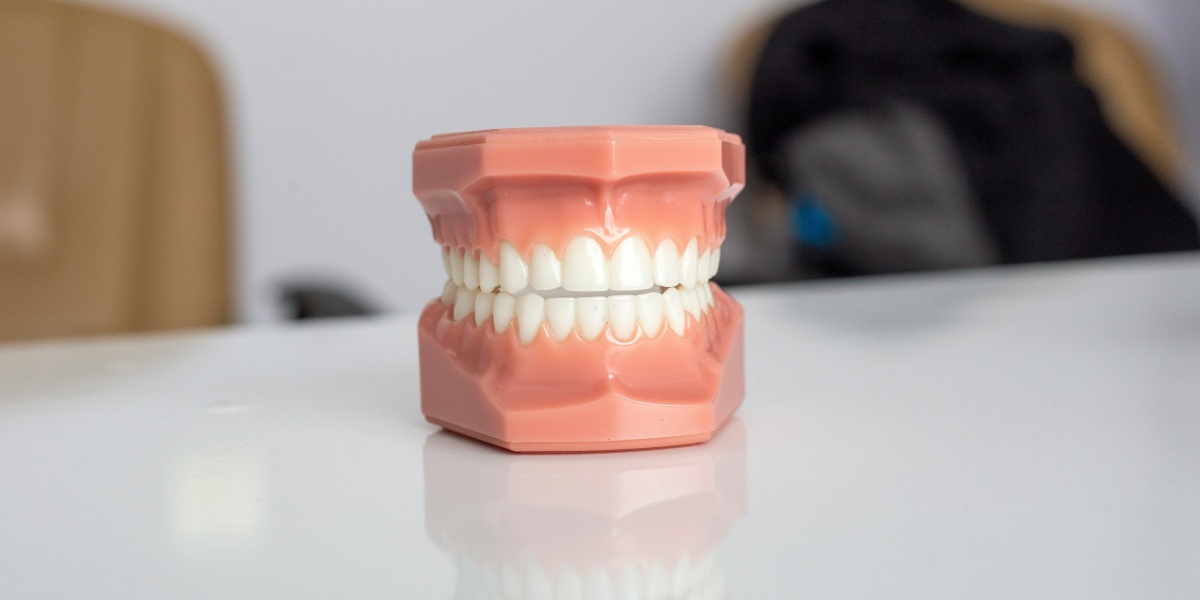


When people think about dentures today, they often imagine a wide range of choices, from lightweight flexible options to strong metal frameworks. But even in this modern mix, acrylic dentures continue to have a solid place. Although they may not be the newest material, they remain relevant for many patients. Here’s a closer look at where they stand compared to other denture materials.
Everyday Use: What Patients Really Need
Most patients don’t just shop for dentures based on material; they also consider how the denture will impact their daily life. Comfort, stability, a natural look, and easy repairs are what matter most. Whether it’s eating, speaking, or smiling, the right denture should make everyday life feel normal again.
For many people trying dentures for the first time, these needs feel even stronger. They want something that looks natural and feels familiar without being overly complicated or expensive. This is where acrylic partial dentures often become the first option that dentists recommend.
Strengths of Acrylic Denture in Real Life
Acrylic dentures are valued for several practical reasons:
- Affordable and Accessible: They are often the most budget-friendly option, making them available to a broad group of patients.
- Easy to Repair: If a denture cracks or needs an adjustment, acrylic is straightforward for dentists to fix.
- Natural Look: The material allows for customization of gum color and tooth shade, ensuring a seamless blend with a person’s smile.
Revived Smiles designs acrylic partial dentures with these factors in mind, offering options that are both simple and effective for daily use. This balance between function and appearance is one reason why acrylic partial dentures remain one of the trusted choices worldwide.
Where Other Materials Excel (and Where Acrylic Struggles)
Of course, no single material is perfect. Compared to flexible or metal options, acrylic partial dentures can feel slightly bulkier in the mouth. They also wear out faster over time, especially for individuals who require long-term solutions.
- Flexible Dentures: Known for comfort and adaptability, but sometimes less durable.
- Metal Framework Dentures: Thin and strong, but less natural in appearance and usually more expensive.
- Implant-Based Options: These provide excellent stability, but they require surgery and incur higher costs.
This balance of pros and cons is why acrylic remains popular; it fills the gap between affordability and function.
Decision Map: Matching Material to Priorities
Choosing denture material often comes down to priorities:
- Want comfort first? Flexible dentures may feel more natural.
- Need maximum durability? Metal frameworks last longer.
- For those seeking an affordable yet customizable solution, acrylic partial dentures remain a practical choice.
Acrylic offers a “middle ground” that works exceptionally well for people trying dentures for the first time or those who want a reliable, temporary solution before investing in something more permanent.
Caring and Longevity: Acrylic vs Others
Like all dentures, acrylic requires care. Regular cleaning, safe storage, and routine dental visits extend its lifespan. At the same time, they may not last as long as metal alternatives, but acrylic partial dentures can still serve patients well when appropriately maintained.
Here are a few simple tips that make a difference:
- Clean daily with a soft brush and mild cleanser.
- Soak overnight in a dentist-recommended solution to prevent drying or warping.
- Handle carefully: avoid dropping them on hard surfaces.
- Check fit regularly with a dentist to prevent discomfort or gum irritation.
Companies such as Revived Smiles also offer adjustments and relines, helping users get more value from their purchase. These services ensure that wearers don’t need to replace their dentures sooner than necessary.
A Glimpse into the Future of Dentures
Dentistry is constantly evolving, with new materials and technologies being introduced every few years. Yet, even as flexible resins and implant-supported options gain attention, acrylic dentures continue to improve. Advances in fabrication now enable better fits, lighter designs, and more lifelike finishes.
This means that while newer solutions may push the boundaries of comfort and durability, acrylic is not standing still. For many patients, it remains a dependable choice, offering a balance of tradition and modern adaptation.
Conclusion
So, where do acrylic partial flipper dentures stand among today’s denture materials? They remain a valuable option, striking a balance between cost, customization, and accessibility. While newer materials may excel in comfort or durability, acrylic remains a practical choice for many. In modern dentistry, it proves that sometimes the classic option still holds its ground.
Disclaimer: This article is for informational purposes only and should not be considered medical advice. Patients should consult a licensed dental professional to determine the most appropriate denture option for their individual needs.