


Dental emergencies can arise unexpectedly.
A simple toothache, the loss of a crown, or gum irritation can all disrupt daily life and impact long-term oral health. In such situations, time becomes important, and a swift response may be necessary.
However, diving into treatment without clarity can leave patients feeling anxious or uncertain about what the future holds. That’s why it’s important to ask the right questions before and after an emergency dental appointment.
Knowing what to expect can help reduce stress and make sure that care is provided as safely and effectively as possible, with a focus on long-term health benefits. Below are six key questions that can help guide patients as they discuss their concerns with their emergency dentist.
1. What is Your Experience in Dealing with Local Emergencies?
When it comes to urgent care, there is a sense of reassurance that can come with knowing your medical provider’s background.
For example, patients in Pennsylvania seeking an emergency dentist Levittown may prefer experience in dealing with unexpected oral health problems. A track record may suggest that the dentist has handled cases ranging from abscesses to fractured teeth and may approach situations with confidence and patience gained from experience.
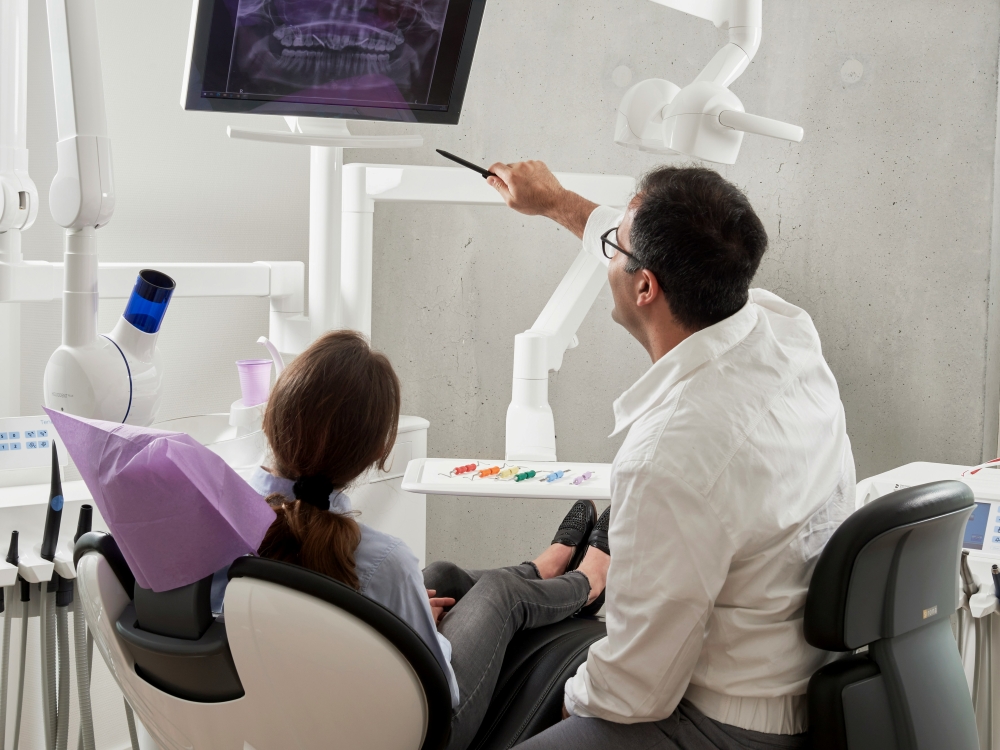
Photo: Unsplash.com
The accuracy of diagnosis and the effectiveness of treatment profiling may also be influenced by experience. A dentist’s leading goal will likely be to stabilize the problem, provide support, and outline a treatment plan. This can help protect oral health and potentially reduce the risks of complications that could arise from delays or less appropriate treatment.
2. What Are the Treatment Options for My Condition?
A chipped tooth may only need some bonding or a crown, while an infection could possibly require a root canal treatment or extraction. Patients can benefit from understanding all available treatment options, with the dentist explaining both immediate and long-term solutions.
A transparent discussion about the range of choices can allow patients to balance comfort, cost, and durability when making decisions.
For instance, some emergency interventions might offer temporary relief, with more definitive options planned for the future. Discussing these choices can help patients learn what might work well for their specific situation and expectations.
3. How Soon Can You Relieve My Pain?
In times of dental emergency, one of the primary concerns is how to manage pain. The pain can often be so profound that patients might consider almost any course of action to either reduce or eliminate it.
By asking this question, you can better set your expectations.
Emergency dentists typically use local anesthesia, temporary restorations, and medication to help relieve pain and discomfort. Antibiotics might be administered if an infection is present in some cases.
Relief might be quick or gradual, depending on the condition. Still, by understanding the process the dentist will carry out, patients can have a better idea of whether they will leave with no pain at all or whether they might experience some discomfort that will subside over the next few days.
This conversation also provides the dentist with an opportunity to discuss follow-up care at home and ways to alleviate discomfort, which can be reassuring for the patient while they wait to receive more comprehensive care.
4. What Are the Risks of Delaying Treatment?
Not all patients can afford treatment, whether due to time constraints, financial reasons, or personal circumstances. However, delaying treatment often comes with risks, and for this reason, the dentist on duty should provide clear information. Delaying treatment of an abscess could possibly lead to the spread of infection and systemic health concerns.
By asking this question, patients can gain a better understanding of their options. In some situations, a brief delay might be acceptable; in others, more immediate action could be necessary. When patients are informed about the potential outcomes, they are better equipped to prioritize their oral health and avoid unnecessary issues.
5. What’s the Ideal Way to Care for My Mouth After the Procedure?

Photo: Unsplash.com
Aftercare is vital in the recovery process. Instructions should be simple and clear for patients to follow in order to protect healing tissues, regardless of the procedure – whether it involves fillings (temporary in nature), extractions, or periodontal treatment. Inquiring about this gives the patient the chance to receive advice tailored to their specific situation.
Dentists may include details about a restricted diet, oral hygiene, and follow-up care. They might also recommend over-the-counter medication or prescribe medication to help reduce swelling and prevent infection.
Furthermore, communication about aftercare can also ease anxiety, as patients leave the clinic knowing how to properly care for their condition at home.
6. Are There Any Preventive Measures for the Future?
The resolution of the immediate issue is the primary goal of the emergency visit; however, preventing recurrence is also important. Ask about prevention strategies that the dentist may recommend based on lifestyle modifications, oral hygiene routines, and the need for regular visits.
For instance, if a patient frequently experiences cracked teeth, they may need to consider habits such as chewing ice or grinding their teeth. Those with recurring infections might benefit from a periodontal evaluation and improvements in brushing and flossing techniques.
These individuals may be advised to undergo a periodontal examination and adjust their brushing and flossing techniques. The dentist might also suggest protective appliances, such as night guards or athletic mouthguards, to prevent further injuries.
Summary
Dental emergencies can be frightening, but being prepared can help reduce stress. Patients who ask these important questions are more likely to have a better understanding of their dentist’s level of knowledge, treatment options, pain control methods, risks, post-treatment care, and preventive strategies.
These conversations can turn an urgent care visit into an organized, comforting experience, helping to alleviate stress and ease uncertainty. Ultimately, the right questions can safeguard not only your oral health but also your overall well-being.
Disclaimer: The information provided in this article is intended for general informational purposes only and should not be considered as professional medical or dental advice. Every dental situation is unique, and it is important to consult with a qualified emergency dentist to receive personalized care and recommendations. The content in this article is not a substitute for professional diagnosis, treatment, or care. Always seek the advice of your dentist or other qualified healthcare provider with any questions regarding a dental emergency or medical condition.