

In the intricate world of film and television production, choosing between standing sets and location filming is a crucial decision that can significantly impact the project’s budget, schedule, and overall quality. Both approaches have their unique advantages and challenges, and the right choice often depends on the specific needs of the production. In this comparison, we will explore the cost-effectiveness of standing sets versus location filming, examining various factors such as financial implications, logistical considerations, creative flexibility, and environmental impact.
Financial Considerations: Weighing the Costs
One of the primary factors in deciding between standing sets and location filming is the financial aspect. At first glance, building a standing set may seem like a substantial upfront investment. The costs associated with designing, constructing, and maintaining a set can be significant. However, this investment can be amortized over multiple uses, making standing sets a more economical choice for long-term projects such as television series or franchises.
In contrast, location filming typically involves variable costs that can quickly add up. Expenses include location scouting, permits, transportation, accommodation, and potential location fees. Additionally, unpredictable factors such as weather conditions or local regulations can lead to unexpected costs and delays. While location filming can offer authenticity and unique visuals, these benefits often come with a hefty price tag.
Logistical Efficiency: Streamlining Production
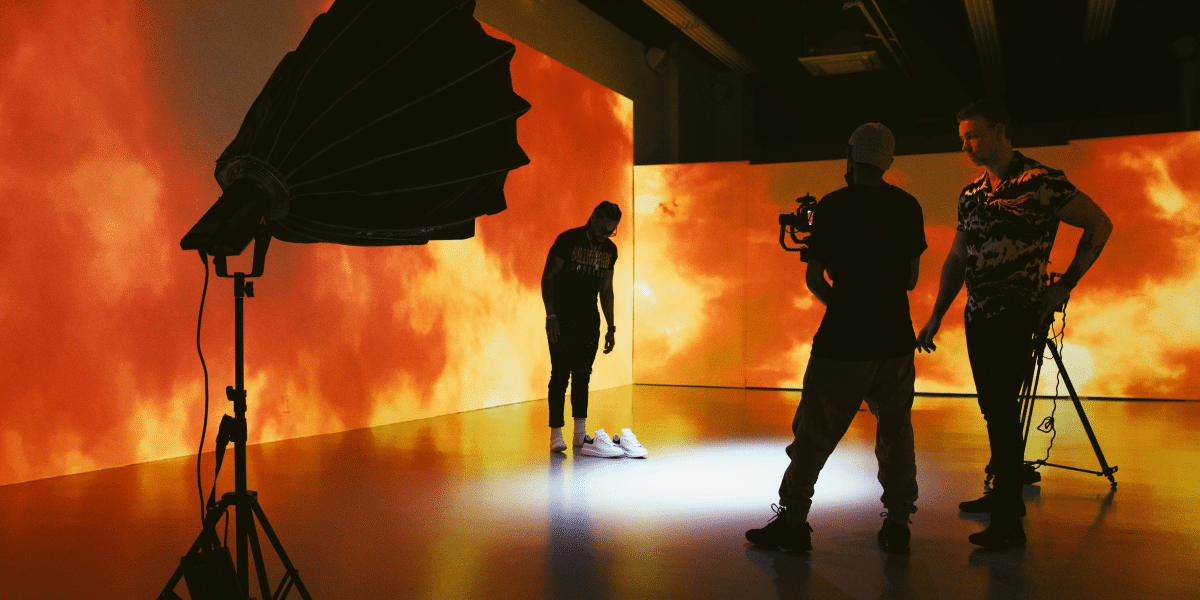
Standing sets in Los Angeles offer a level of logistical efficiency that is hard to match with location filming. Once a standing set is constructed, it remains in place and ready for use at any time. This stability allows for a streamlined production schedule, with minimal setup and teardown time required between scenes. Crews can work more efficiently, and the risk of delays is significantly reduced.
On the other hand, location filming involves a complex web of logistics. Each new location requires a detailed setup, including lighting, sound, and camera equipment. Moving between locations can be time-consuming and disruptive, leading to longer production schedules and higher costs. Moreover, coordinating the movement and accommodation of cast and crew adds another layer of complexity to the production process.
Creative Flexibility: Enhancing Storytelling
Both standing sets Los Angeles and location filming offer unique creative opportunities, but in different ways. Standing sets provide a controlled environment where filmmakers can experiment with lighting, camera angles, and set design without the constraints of an external location. This control allows for a high degree of creative flexibility, enabling directors to craft visually stunning and consistent scenes.
Location filming, on the other hand, offers an element of realism that can be difficult to replicate on a set. Real-world locations provide authentic backdrops that enhance the believability of the story. However, this authenticity comes with limitations. Filmmakers must work within the constraints of the location, which can sometimes stifle creativity. Additionally, environmental factors such as changing weather or ambient noise can pose challenges that impact the final product.
Environmental Impact: Sustainable Choices
In an era where sustainability is increasingly important, the environmental impact of production choices cannot be overlooked. Standing sets, when properly maintained and reused, can be a more environmentally friendly option. They reduce the need for frequent transportation and minimize the waste generated from constructing and deconstructing sets repeatedly.
Location filming, while offering natural beauty and authenticity, often involves significant travel for cast and crew, leading to a higher carbon footprint. Additionally, the use of multiple locations can result in more waste and resource consumption. Productions committed to sustainability must weigh these factors when deciding on their approach.
Case Studies: Real-World Examples
To understand the practical implications of these choices, let’s look at some real-world examples. The long-running television series Friends famously used standing sets for its iconic Central Perk cafe and the characters’ apartments. This consistency not only contributed to the show’s charm but also allowed for efficient production and significant cost savings over its ten-year run.
In contrast, the James Bond film series is known for its extensive use of location filming. The exotic locales and breathtaking landscapes are integral to the franchise’s appeal. However, this approach comes with substantial costs and logistical challenges, as each new film requires scouting, securing, and filming in multiple international locations.
Balancing Act: Finding the Right Mix
In practice, many productions find that a combination of standing sets and location filming offers the best of both worlds. For example, a television series might use standing sets for regular indoor scenes while incorporating location filming for special episodes or key outdoor sequences. This hybrid approach allows productions to manage costs effectively while still benefiting from the unique advantages of both methods.
Making the Right Choice
Choosing between standing sets and location filming is a nuanced decision that depends on various factors including budget, production schedule, creative vision, and environmental considerations. Standing sets offer cost savings, logistical efficiency, and creative control, making them an excellent choice for long-term projects and controlled environments. Location filming provides authenticity and unique visuals but often comes with higher costs and logistical complexities.
Ultimately, the most cost-effective approach is one that aligns with the specific needs and goals of the production. By carefully weighing the pros and cons of each option, filmmakers can make informed decisions that optimize their resources and enhance their storytelling capabilities. In the dynamic world of film and television, the right balance between standing sets and location filming can make all the difference in bringing a story to life.
Published by: Nelly Chavez