

By: Jason Gerber
In his book, “Unraveling the Tapestry of Life and Civilization: The Causes and Consequences of Climate Change (and Other Threats to Biodiversity),” Dr. Marcus Gillespie deeply explores the science behind climate change, its impact on our planet, and the path toward a sustainable future.
But before we go into the complexities of climate change, Dr. Gillespie takes a step back in his book to explore a fundamental question: can we fight the laws of nature?
The answer, as simple as it might seem, is a resounding no. Dr. Gillespie uses the well-understood concept of the greenhouse effect to demonstrate this.
Imagine Earth basking in the sun’s warmth. Some of this energy is reflected back into space, but some is trapped by the atmosphere, acting like a giant blanket. This trapped heat keeps our planet warm enough to sustain life
The Greenhouse Effect: A Balancing Act

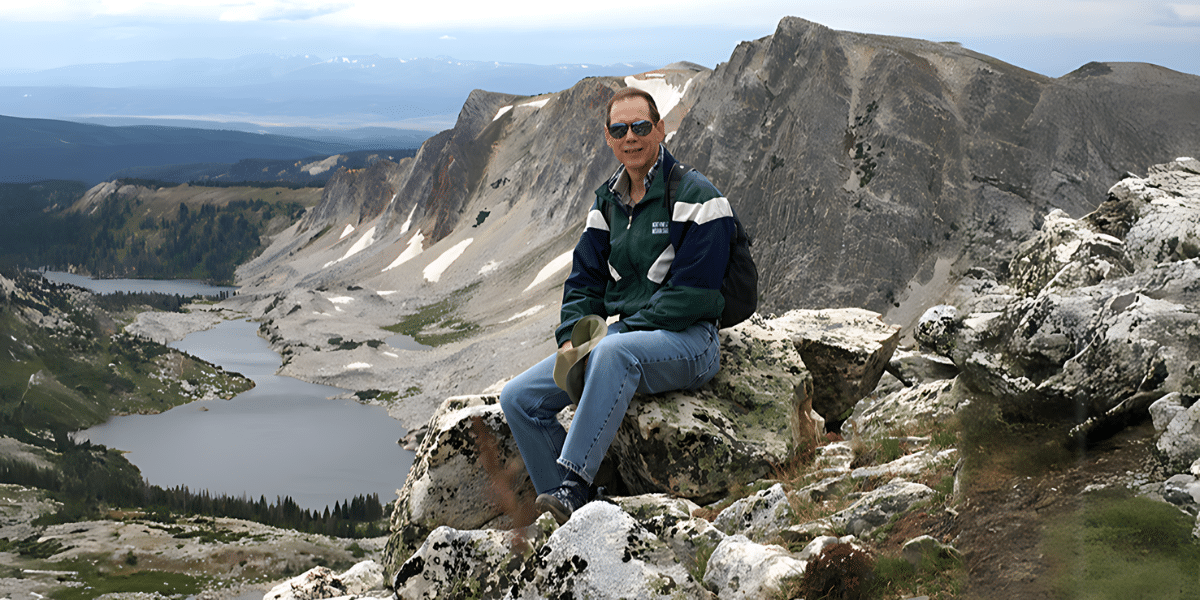
Photo Courtesy: Ben Marcus Gillespie Ph.D.
Think of this balance like a thermostat in your home. Sunlight streaming in is like turning up the heat, while the Earth radiating energy back into space is like turning it down. Certain gases in the atmosphere, like carbon dioxide (CO2), act like an extra layer on that metaphorical blanket.
They allow sunlight to pass through freely, warming the planet’s surface. But when it comes to Earth radiating heat back out, these greenhouse gases act like a barrier, trapping some of that energy and causing a gradual rise in temperature.
CO2: Adding More Blankets
Dr. Gillespie emphasizes that even a small amount of CO2, roughly 0.04% of the atmosphere, plays a crucial role in maintaining Earth’s comfortable temperature. However, human activities, primarily the burning of fossil fuels like coal, oil, and natural gas, are rapidly increasing the concentration of CO2 in the atmosphere.
This is akin to adding more blankets to our metaphorical thermostat. The more CO2 there is, the more heat gets trapped, leading to a gradual rise in global temperatures.
The Laws of Physics: Undeniable and Unbreakable
The physics behind the greenhouse effect is not a matter of opinion or debate. It’s a fundamental law of nature, as undeniable as gravity. We can’t argue with gravity, and we can’t change the basic physics of how heat interacts with our atmosphere and greenhouse gases. Dr. Gillespie emphasizes this point because understanding the core science behind climate change is crucial to addressing its challenges.
Final Words: Understanding the Consequences
The book “Unraveling the Tapestry of Life and Civilization: The Causes and Consequences of Climate Change (and Other Threats to Biodiversity),” establishes the undeniable role of human activity in altering Earth’s energy balance. Dr. Gillespie researches the potential consequences of a warming planet, from rising sea levels and extreme weather events to disrupted ecosystems and threats to food security.
He doesn’t shy away from the challenges but also explores potential solutions and mitigation strategies that can help us navigate this critical juncture in our planet’s history.
By understanding the basic physics of the greenhouse effect and acknowledging the undeniable role of human activity, we can begin to have a more informed conversation about climate change.
Dr. Gillespie’s book aims to be a valuable resource for anyone seeking to understand the science behind this critical issue and explore potential solutions for a sustainable future.
Published by: Khy Talara