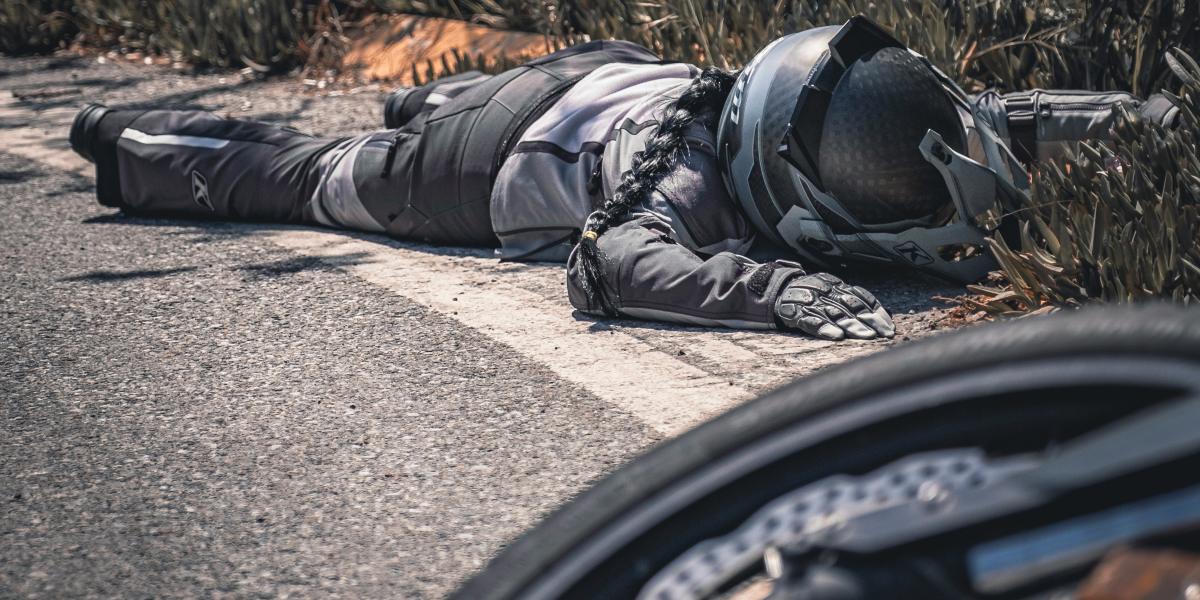


Motorcyclists often face serious and life-altering injuries in accidents, primarily because they are less protected compared to drivers of cars and other vehicles. In most cases, motorcycle accidents result in injuries that are much more severe than those experienced by people in regular vehicles. Unlike the protection a car provides, a motorcyclist’s body is vulnerable to the full impact of a crash. As a result, motorcyclists are at a greater risk of experiencing broken bones, spinal cord injuries, traumatic brain injuries, internal bleeding, and, in some cases, permanent disabilities. In addition, injuries can worsen over time, which may result in long-term health complications and greater financial burdens.
One of the biggest challenges motorcyclists face after an accident is that the injuries are not always immediately apparent. Even if an injury does not seem serious right after the crash, the symptoms can worsen over a period of time. For example, a seemingly minor injury like a bruise or muscle strain can evolve into something more serious, such as internal bleeding or nerve damage, as the days pass. Therefore, seeking medical attention immediately after an accident is essential. Not only does it help with recovery, but it also ensures that injuries are properly documented, which is important for future medical treatment and any recovery process.
It’s not uncommon for motorcyclists to feel that their injuries aren’t serious enough to warrant medical attention or to hesitate in seeking help. However, even mild-looking injuries can become more severe in the future, so it’s important to have them checked out by a medical professional as soon as possible. By doing this, individuals can catch potential issues early, preventing any long-term effects or complications.
In addition to physical injuries, motorcycle accidents can also lead to significant emotional and psychological impacts. In the aftermath of a crash, individuals may struggle with anxiety, depression, or post-traumatic stress disorder (PTSD) due to the traumatic experience. Motorcycle accidents, particularly those that result in serious injuries, can leave individuals feeling scared or uncertain about their future. The psychological toll of an accident can sometimes be just as challenging as the physical injuries, and it’s essential for individuals to address both aspects of recovery. Talking to a counselor or therapist, seeking support from friends and family, or joining support groups can provide relief and aid in mental recovery.
Motorcycle accidents often involve disputes over who is at fault. Motorcyclists are sometimes unfairly stereotyped as reckless or aggressive, and this can affect how accidents are perceived, especially when it comes to insurance claims. In many cases, motorcyclists are blamed for accidents they did not cause. This is a result of negative biases about bikers, such as the perception that motorcyclists are always speeding or driving carelessly. Unfortunately, this stereotype can work against the motorcyclist when an accident occurs.
Gathering evidence, such as witness statements, traffic camera footage, and even accident reconstruction data, is critical for resolving fault disputes. It’s important for motorcyclists involved in an accident to document everything they can about the incident. This documentation can help establish the truth of what happened, and it can be especially important if there is any doubt about fault. In situations where there is no clear answer, reliable evidence can help clarify the circumstances surrounding the crash.
In the immediate aftermath of a motorcycle accident, it’s also common for insurance companies to offer settlements quickly. While a quick settlement might seem appealing, it’s essential to understand that these offers are often much lower than what is necessary to fully cover all the expenses related to the accident. Insurance companies tend to offer quick settlements to close cases quickly, but these early offers usually don’t account for long-term medical care, future rehabilitation, surgeries, lost wages, or emotional distress caused by the accident.
Motorcycle accident injuries, especially severe ones, can be expensive to treat and can require long-term care. In some cases, ongoing rehabilitation or multiple surgeries may be necessary. Settling for a quick payout from the insurance company may not cover these long-term costs. It’s important for individuals to consider their future medical needs and financial situation before accepting any settlement offer.
Severe injuries, such as traumatic brain injuries, paralysis, amputations, or permanent scarring, can have a profound impact on a person’s life. These types of injuries often require a much more thorough and careful approach to recovery. They can result in high medical bills, loss of income due to an inability to return to work, and significant changes to one’s lifestyle. In such cases, individuals may require specialized care, emotional support, and long-term rehabilitation.
Lastly, in the unfortunate event of a loved one’s death due to a motorcycle accident, the surviving family members will have to navigate a variety of emotional and practical challenges. Coping with grief and loss while managing funeral expenses and financial issues can be overwhelming. In addition to the emotional aspects of such a loss, the surviving family members will need to manage the costs associated with the death, including funeral expenses, medical bills, and the loss of financial support.
Navigating life after a motorcycle accident can be difficult, but it’s important to remain informed about the recovery process and the resources available to help with healing. For those looking for more information or support in the recovery process, a Lafayette motorcycle accident lawyer can provide valuable guidance in understanding your rights and options. By understanding the potential long-term consequences of motorcycle accidents, motorcyclists can make more informed decisions about their health and well-being and take the necessary steps to recover physically, emotionally, and financially.
Disclaimer: The information provided in this article is for general informational purposes only and is not intended to be legal advice. Every motorcycle accident is unique, and the details of your case may differ. For personalized guidance, it is recommended that you consult with a qualified professional, such as a Lafayette motorcycle accident lawyer, to discuss your specific situation.