

By: Thomas Stern
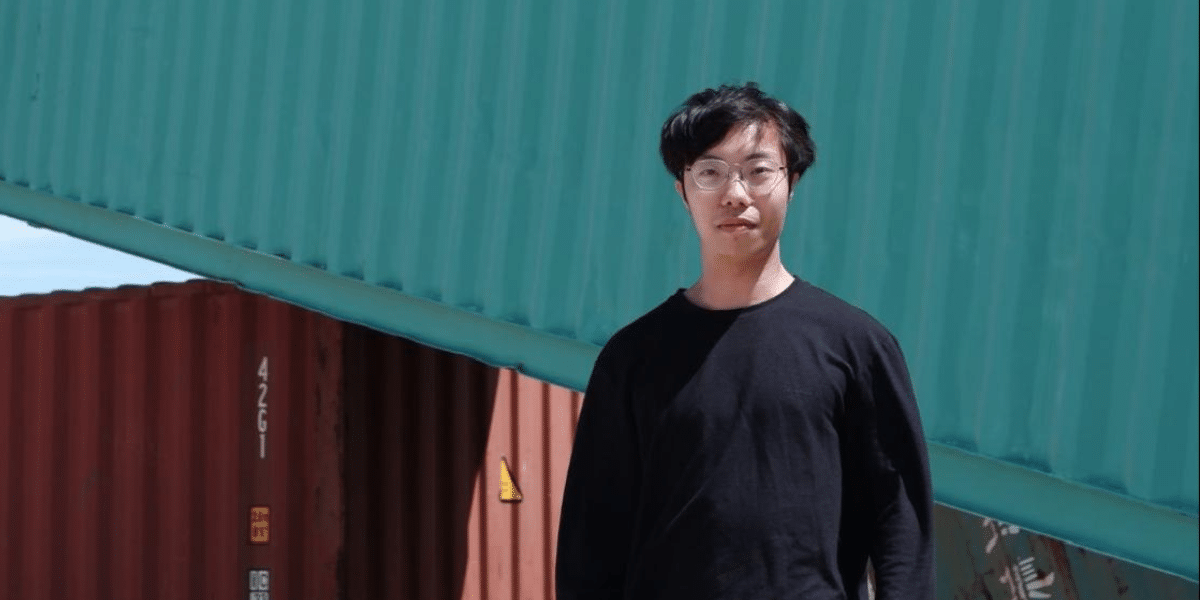
Mingxun Zou is an architectural designer who is currently based in Los Angeles. Having been born in China, Zou has studied and worked internationally in both the United States and United Kingdom, as well as his home country. Zou has won numerous awards for his design, and is constantly attempting to push the boundaries of innovation.
In the world of architecture there is a never ending clash between past and present. At the crossroads of this lies Mingxun Zou, an architectural designer with an international background and a flair for structural expressionism. Zou stands out as both a student of design and as someone eager to provide a bridge between classic architecture and the future.
Zou’s approach to architecture is deeply rooted in structural expressionism, a movement that champions the visibility and aesthetic integration of a building’s structural elements. This philosophy helps to guide his own designs, as well as highlight his respect for the technical components of the building. Zou’s work stands out as an example that beauty and functionality can work together in beautiful harmony.
One cannot discuss Mingxun Zou without mentioning his pivotal role in designing the Yantai Bajiaowan International Convention and Exhibition Center. As the lead technical designer on this project, Zou employed Building Information Modeling (BIM) technology to bring this ambitious design to life. As part of Zou’s dedication to bringing design into the modern age, he is a massive proponent of BIM. It is what allowed him to provide highly detailed digital mockups of the buildings roofing and facade to ensure the correct usage of each panel placed. This implementation of BIM provided a bridge between the design intent and the construction process.
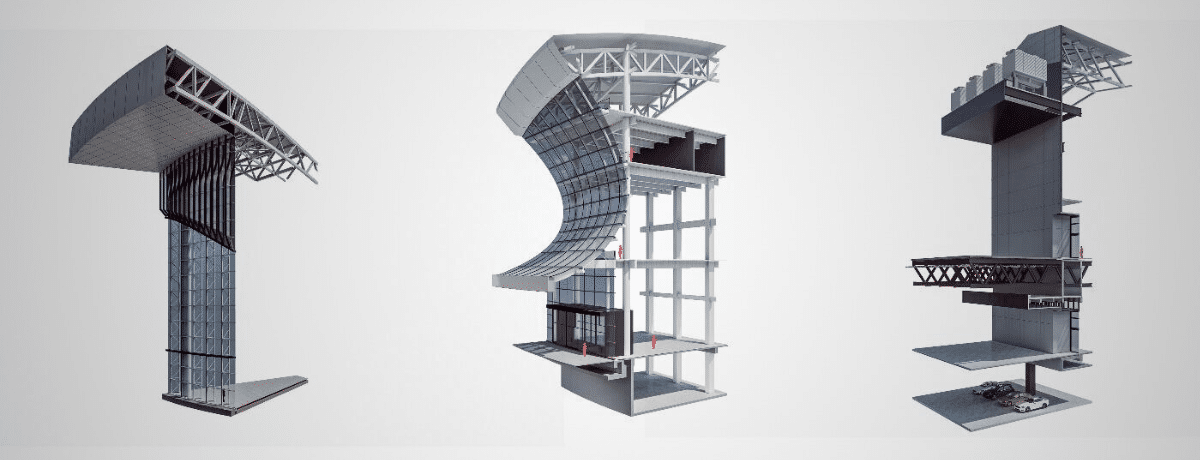
Photo Courtesy: Mingxun Zou
His meticulous planning paid off when the center was awarded the Luban Prize, one of China’s most prestigious honors in architecture. The prize not only recognized Zou’s exceptional skill but also underscored his ability to push boundaries and set new standards. The building itself stands out as modern, with its design based on the undulations of waves and mountains it is clear for anyone who witnesses it that the Convention and Exhibition Center is worthy of such high praise.
Beyond accolades, what sets Zou apart is his commitment to modernizing the design process by leveraging cutting-edge technology such as AI and coding in his projects. By integrating these tools into his design process, he ensures that his projects are not only architecturally sound but ahead of their time in terms of innovation and efficiency.
Zou’s win at the TEAMZERO International Competition further cements his reputation as a forward-thinker in architectural design. His focus in the competition was on his hometown of Chongqing, where he took on the challenge of redesigning and preserving the Wanglongmen Cable Car, the first of its kind in China. His visionary approach incorporated this historical transportation method into Chongqing’s modern infrastructure seamlessly.
The project attracted the attention of the Chongqing Municipal Bureau of Cultural Heritage and the Chongqing Municipal Commission of Housing and Urban-Rural Development, which led to the restoration and mixed-use redevelopment of the historical infrastructure in the following years. Zou demonstrated how heritage sites could be revitalized while still serving practical purposes within contemporary urban landscapes.
Mingxun Zou’s global education has played an integral role in shaping his design ethos. From learning about local creative processes across different countries to incorporating these diverse insights into his own work, Zou represents a new generation of architects who are truly global citizens. His ability to synthesize varied architectural principles has enabled him to create spaces that are both innovative and respectful of tradition.
At its core, Mingxun Zou’s work embodies structural expressionism by emphasizing form alongside function, a principle evident throughout his diverse portfolio from convention centers to urban renewal projects like Wanglongmen cable car redesign. His dedication to marrying aesthetics with engineering excellence does more than just produce visually stunning structures; it elevates architecture into an art form capable of conveying stories and connecting people across time.
Mingxun Zou represents more than just an architect; he is a harbinger of change within his field—a professional constantly striving toward greater heights through innovation while remaining firmly grounded in reverence for architectural fundamentals. Through each project undertaken under his keen eye for detail combined with robust use of technology like BIM, Zou continues to prove that modernity can coexist beautifully with tradition. His approach makes him stand out as not just a participant but also a leader in the architectural world.
Published by: Martin De Juan