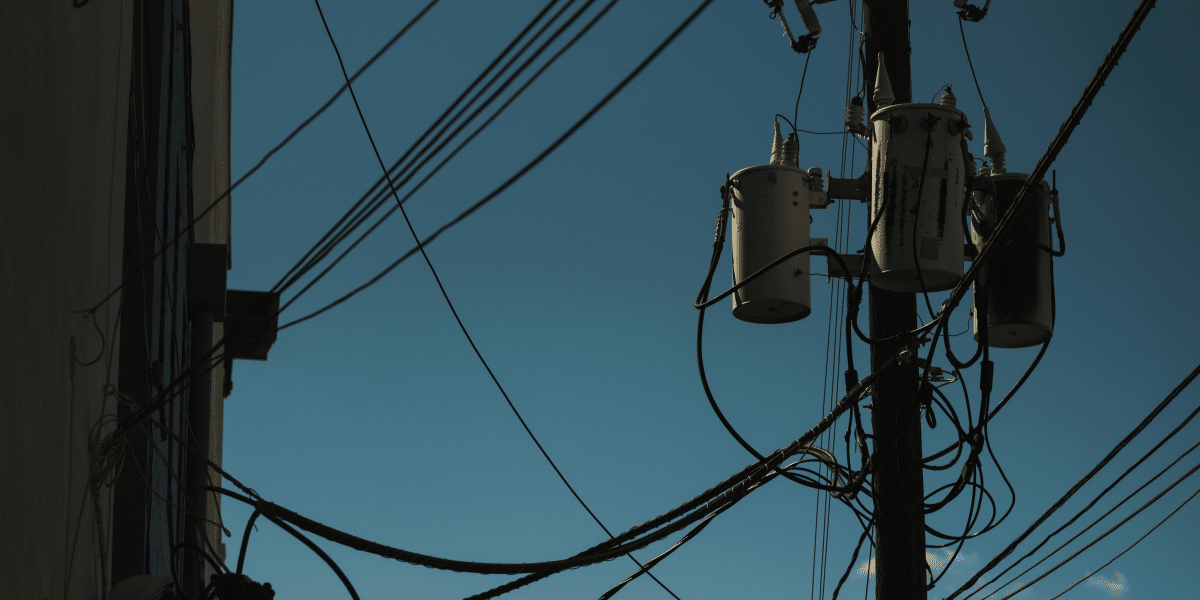


Ensuring the efficient transfer of electrical energy from one circuit to another through electromagnetic induction, transformers are the backbone of modern power distribution systems. To sustain their optimal performance, a comprehensive approach is essential. This includes regular maintenance, proper usage, and innovative techniques.
Key strategies to enhance the longevity and efficiency of electric transformers involve routine inspections, maintaining proper cooling systems, effective load management, and addressing environmental factors. Additionally, implementing modern diagnostic tools and upgrading insulation systems are crucial. By adopting these practices, the performance and lifespan of electric transformers can be significantly improved, ensuring reliable and efficient power distribution.
Routine Inspections and Maintenance
Routine inspections are crucial for identifying potential issues before they escalate into major problems. Regular maintenance checks should include the examination of oil levels, temperature gauges, and insulation resistance. The oil in electric transformers acts as both a coolant and an insulator. Regular oil sampling and analysis can detect the presence of moisture, gasses, and other contaminants, which can indicate insulation deterioration or incipient faults.
Ensuring Proper Cooling
Electric transformers generate a significant amount of heat during operation. Overheating can lead to insulation breakdown and reduce the transformer’s lifespan. Ensuring an effective cooling system is in place is vital. This can be achieved through various cooling methods, such as natural air cooling, forced air cooling, or oil cooling. Keeping cooling systems clean and free from obstructions will aid in maintaining the desired operating temperature.
Load Management
Transformers are designed to operate within specific load limits. Overloading can cause excessive heating and stress on the insulation, leading to premature failure. It is essential to monitor the load regularly and ensure that it remains within the transformer’s rated capacity. Implementing load management strategies, such as load shedding during peak times, can help in maintaining the transformer’s performance.
Addressing Environmental Factors
The location and environmental conditions where a transformer operates can significantly impact its performance. Dust, moisture, and extreme temperatures can all pose challenges. Protective measures, such as enclosures or shelters, can shield electric transformers from adverse weather conditions. Additionally, using silica gel breathers can help in controlling moisture ingress, which is particularly important in humid environments.
Implementing Modern Diagnostic Tools
Advancements in technology have introduced sophisticated diagnostic tools that can aid in the early detection of transformer issues. Techniques like dissolved gas analysis (DGA), partial discharge measurement, and thermographic imaging can provide valuable insights into the internal condition of electric transformers. Regular monitoring using these tools can preemptively identify faults and reduce downtime.
Upgrading Insulation Systems
Insulation plays a critical role in the reliability and efficiency of electric transformers. Over time, insulation materials can degrade due to thermal, electrical, and mechanical stresses. Upgrading to higher-grade insulation materials or employing advanced insulation techniques can enhance the transformer’s ability to withstand these stresses, thereby prolonging its operational life.
Adopting Energy-Efficient Practices
Implementing energy-efficient practices can not only enhance the performance of electric transformers but also contribute to overall energy savings. Using energy-efficient transformers, optimizing load distribution, and minimizing losses through regular maintenance and upgrades are some of the ways to achieve this. Energy-efficient electric transformers are designed to operate with lower losses, thereby improving overall system efficiency.
Ensure Peak Transformer Performance with Expert Partnerships!
Maintaining optimal performance in electric transformers requires regular maintenance, proper usage, and the adoption of modern diagnostic tools and energy-efficient practices. Addressing cooling, load management, environmental conditions, and insulation enhances transformer longevity and efficiency.
Partnering with reputable energy brands offers high-quality products, extensive R&D-backed services, and comprehensive support from installation to maintenance. These brands lead in technological advancements, providing innovative solutions for reliability and efficiency. Choosing established energy brands ensures optimal performance and longevity of electric transformers, contributing to a reliable and efficient power distribution system.
Published by: Khy Talara