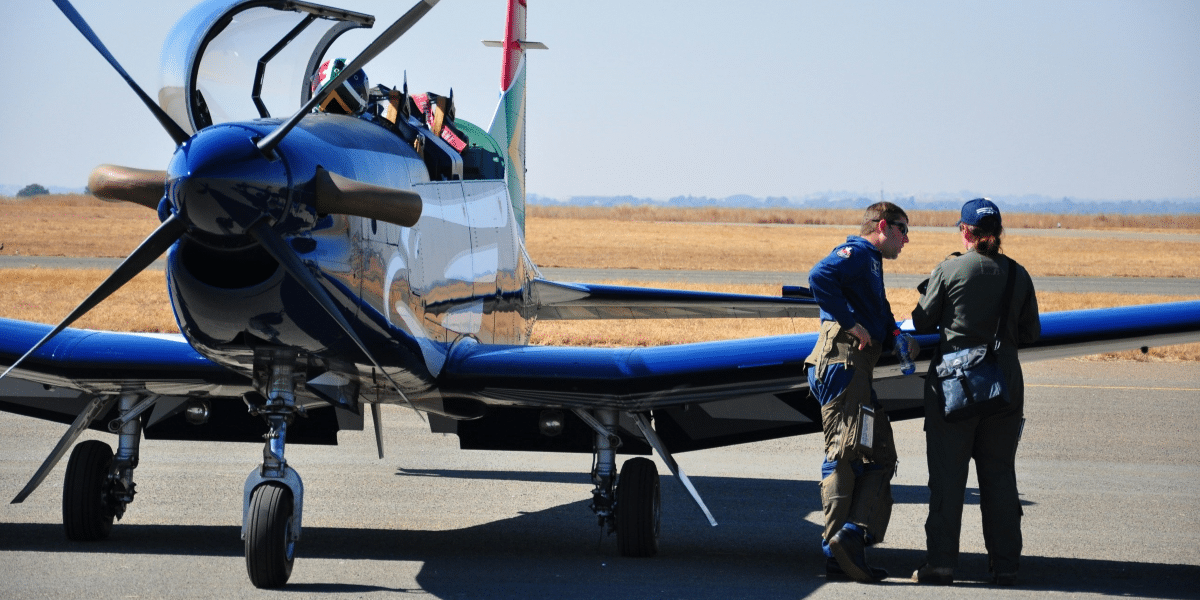


Embarking on a journey to become a pilot is both exciting and challenging. With countless opportunities awaiting in the aviation industry, aspiring pilots need to be equipped with the knowledge and understanding necessary for success. This post will discuss essential tips that every aspiring pilot should know before starting training.
Research and Select the Right Flight School
Choosing the right flight school can significantly impact your training experience. Take the time to research and evaluate different schools based on factors such as reputation, program flexibility, quality of instructors, safety records, and cost. Visit potential schools in person, and if you plan to enroll in a specific program like the Asia Pacific flight training, talk to current students or alumni for further insight.
Conduct Knowledge Building Before Starting
Before starting flight training, investing time in building your aviation knowledge can give you a strong foundation. Study subjects like meteorology, aerodynamics, navigation terminology, and regulations. Online resources, books, webinars, and video tutorials can provide valuable insights, enabling you to grasp complex concepts better during actual training.
Understand Medical Requirements
Pilots must acquire a valid medical certificate attesting to their physical fitness for flight. Familiarize yourself with the medical requirements set by the aviation authorities in your country or region. Ensure that you meet these criteria so your ambitions won’t be impeded by any medical condition.
Manage Financial Planning
Becoming a pilot requires adequate financial planning as training costs vary significantly depending on location and course duration. Carefully assess your budget constraints and explore options such as scholarships or financial aid programs offered by organizations within the aviation industry.
Develop Good Communication Skills
Effective communication is paramount within the cockpit environment, where clear directives ensure smooth flights and safety measures are followed carefully among team members. During training, work towards enhancing both verbal and nonverbal communication skills by paying attention to details, asking questions, listening actively, and establishing rapport.
Uphold Professional Attitude and Appearance
Aspiring pilots gain respect in the industry by maintaining a polished and professional demeanor. Present yourself well in every interaction, be it with trainers, fellow students, or employers during interviews. Dress appropriately, arrive prepared for training sessions, be punctual, and show genuine enthusiasm.
Cultivate Strong Problem-Solving Skills
Aviation is filled with unpredictable scenarios where strong problem-solving skills are crucial. Develop the ability to think analytically and make calculated decisions under pressure. Practice situational awareness by assessing different flight scenarios and determining the best course of action.
Embrace the Importance of Continuous Learning
Achieving your pilot’s license is only the beginning; due to evolving technologies, regulations, and procedures, aviation requires lifelong learning. Dedicate yourself to improving your knowledge throughout your career through participation in additional training courses and staying updated with industry trends.
Network Within the Aviation Circles
Building a network within aviation can open up opportunities for mentoring, job prospects, or simply gaining insights from experienced pilots. Attend industry events, join associations, or participate in aviation forums to connect with professionals across different sectors, such as airlines, instructors, or engineers, who may offer guidance during your journey.
Stay Committed and Enjoy the Journey
Pilot training can pose many challenges; perseverance will be essential during tough times when progress seems slow or when faced with unforeseen difficulties. Maintaining a positive mindset toward continuous improvement while enjoying the journey will contribute greatly to your ultimate success as a pilot.
Final Thoughts
By following these vital tips before embarking on your training journey, you are setting yourself up for success as an aspiring pilot. Remember that dedication to ongoing learning and fostering strong communication skills will aid you not just during this phase but throughout your entire career in aviation. Building a diverse network of professionals within the field will also add value as you navigate through rivers of challenges and rewarding experiences. Welcome to the sky!
Published by: Khy Talara