

From Gaza water wells to Togo rice distributions, the Ramadan 2026 Impact Report reveals the operational breadth of an organization that has quietly become one of the Islamic humanitarian sector’s most recognized names.
As the final nights of Ramadan 2026 passed, MATW Project’s distribution teams filed their final field reports. The data compiled across 16 countries told a story not just of scale, but of the kind of sustained, documented, and operationally rigorous humanitarian work that has come to define the organization in its tenth year.
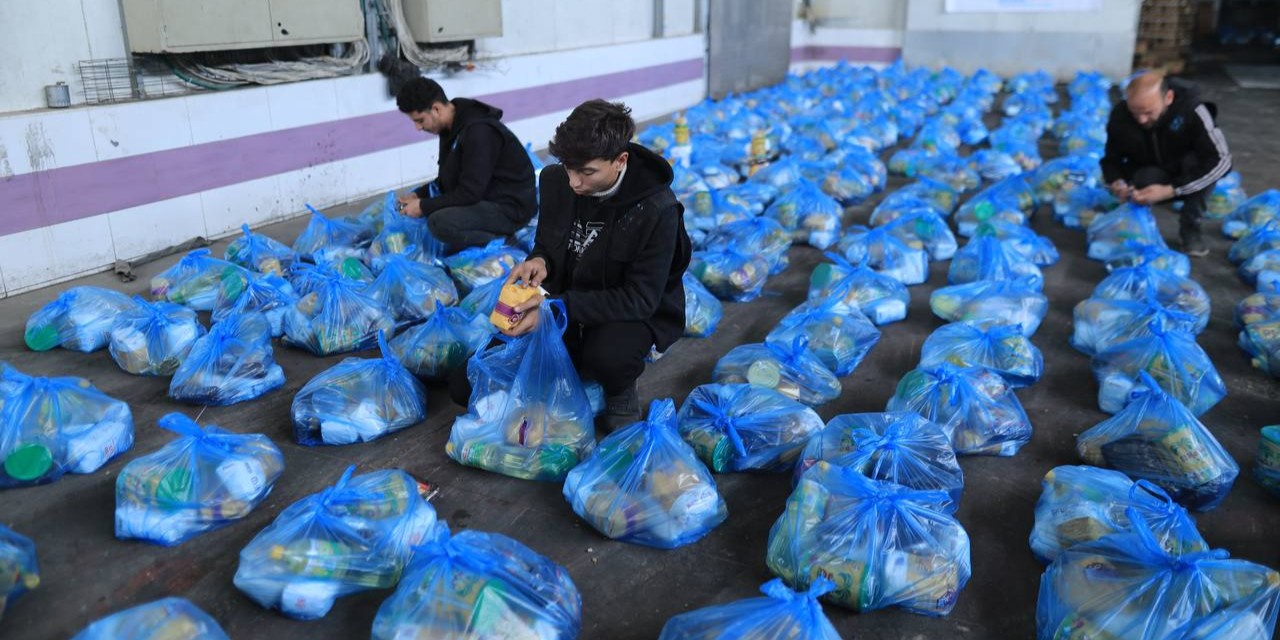
The Ramadan 2026 distribution included millions of meals, thousands of food packs, and numerous Eid gifts delivered to orphaned children. A groundwater well in Gaza now serves communities in need of clean water, significantly improving living conditions. These numbers, verified by MATW’s on-the-ground teams and published in the organization’s official impact report, reflect the depth of the work that MATW Project continues to undertake.
The Countries, the Numbers, the People
MATW’s Ramadan 2026 campaign was extensive, with significant contributions made in countries including Palestine, Lebanon, Yemen, and sub-Saharan Africa. For example, Palestine received a major share of the distributions, with thousands of meals, food packs, and Eid gifts, especially during the last ten nights of Ramadan, when the organization launched a dedicated campaign to provide iftar and suhoor meals to families in Gaza facing extreme food scarcity.
Lebanon received targeted support amidst ongoing crises, with thousands of meals, food packs, and hygiene kits distributed to communities in need. In Yemen, where the food crisis has reached alarming levels, distributions included significant amounts of iftar meals, food packs, and other essentials, with a focus on the needs of infants and young children.
In Togo and Chad, two of MATW’s primary areas of operation in sub-Saharan Africa, the distributions included many iftar meals, food packs, and essential supplies. These efforts reflect MATW’s ongoing commitment to alleviating hunger and providing aid in some of the world’s most vulnerable regions.
“What strikes me every time I look at these numbers is not the scale; it is what the scale represents. Each of those meals is a family that did not go to sleep hungry on a night they were supposed to be celebrating. That ripple effect, the dignity restored, the child who ate, the parent who did not have to explain to their family why there was nothing, is immeasurable. And it compounds. Every act of giving makes the next one more possible.” — Chase Alley, Chief Operations Officer (USA), MATW Project
MATW’s Ramadan 2026 data highlights the trust communities place in the organization to deliver their giving faithfully. The organization publishes its impact data, holding itself accountable not only to regulators across multiple countries but also to the communities it serves and the donors whose generosity makes the work possible.
Not Only Emergency Response: Something Larger
The Ramadan 2026 figures also reveal that the MATW Project has expanded its mission beyond emergency relief efforts. Projects such as the Gaza water well, which serves thousands with reliable access to clean water, reflect a shift towards sustainable infrastructure and long-term community benefit. MATW continues to integrate local partnerships, support community kitchens that generate employment, and invest in infrastructure designed to outlast any single campaign.
“The way we think about Islamic giving has to evolve. Zakat and Sadaqah are not just about alleviating immediate suffering. They are tools for building dignity, sustainability, and self-sufficiency in communities that have been denied them. At MATW, we are designing programs where charitable giving creates economic activity, not just economic dependence. That is what our faith calls for, and it is what these communities deserve.” — Naeem Iqbal, US Development Director, MATW Project
CEO Mahmoud Ismail reflected on this in his message to donors: the spirit of compassion strengthened during Ramadan cannot be allowed to leave with it. The need is present year-round, and so must the response be.
Photo Courtesy: MATW Project
What Comes Next: Qurbani and Beyond
With Ramadan concluded and Eid al-Adha approaching, MATW is now mobilizing its operational infrastructure for Qurbani distributions across Gaza, Lebanon, Yemen, Afghanistan, Togo, and other countries. For many families in these regions, the Qurbani sacrifice will be their only source of fresh meat for the entire year, making this a vital and urgent mission.
In a sector where trust is the currency that determines whether donors give and whether aid reaches its destination, MATW has spent ten years building exactly that. The Ramadan 2026 impact report is both a record of what was achieved and a statement of what the organization holds itself to.
The full Ramadan 2026 Impact Report is available at matwproject.org.
Media inquiries: press@matwproject.org | matwproject.org