
By: Elena Mart
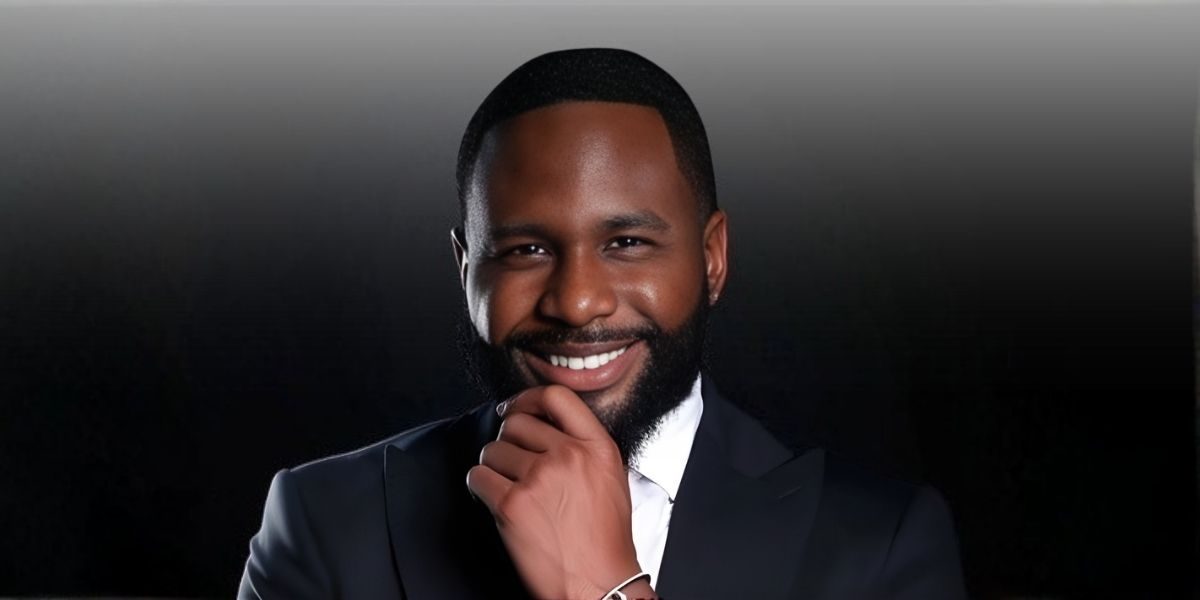
For many Black men, emotional struggles are often carried quietly, shaped by cultural expectation, responsibility, and the pressure to remain composed in every setting. D’Shawn Harris, M.Ed, LCPC, NCC, is working to change how those experiences are understood and addressed. As the founder of Safe Haven Therapy Services, Harris combines clinical expertise with community-centered care to create environments where Black men can speak openly about emotional pain without fear of judgment.
A licensed psychotherapist and mental health advocate, Harris approaches healing as both a personal and collective process. His work extends beyond traditional therapy sessions, offering practical strategies that help men regulate stress, strengthen relationships, and develop emotional awareness in daily life. Through counseling, educational programming, and creative tools such as his conversation card game, Harris emphasizes that vulnerability is not a weakness but a skill that can be learned and practiced.
In this conversation, Harris reflects on the emotional burdens Black men often carry, the everyday habits that support nervous system health, and his vision for making mental wellness more accessible and sustainable. His perspective highlights a growing shift toward treating emotional care not as a response to crisis, but as an essential part of long-term well-being and community health.
You often work at the intersection of clinical care and community healing. What is something Black men are carrying psychologically right now that you feel is still largely unnamed?
D’Shawn: I think a lot of Black men are carrying a deep sense of emotional responsibility for everyone but themselves. Many feel like they have to be strong, financially stable, emotionally contained, socially aware, and protective all at once, often with very little space to be vulnerable or uncertain. What goes unnamed is the constant psychological load of having to stay alert, not just to personal stress, but to racial dynamics, family expectations, and survival pressures. That chronic vigilance becomes normalized, but it takes a real toll on the nervous system, relationships, and self worth.
You focus on practical tools for healing. What is one small, overlooked daily practice that can create meaningful nervous system regulation over time?
D’Shawn: One of the most overlooked practices is intentional transitions, taking even sixty to ninety seconds to pause between activities instead of jumping from one demand to the next. For example, sitting in the car for a minute before going inside, or taking a few slow breaths before picking up your phone in the morning. Those small pauses tell the nervous system that you are safe right now. Over time, that reduces baseline stress and helps the body stop living in constant urgency.
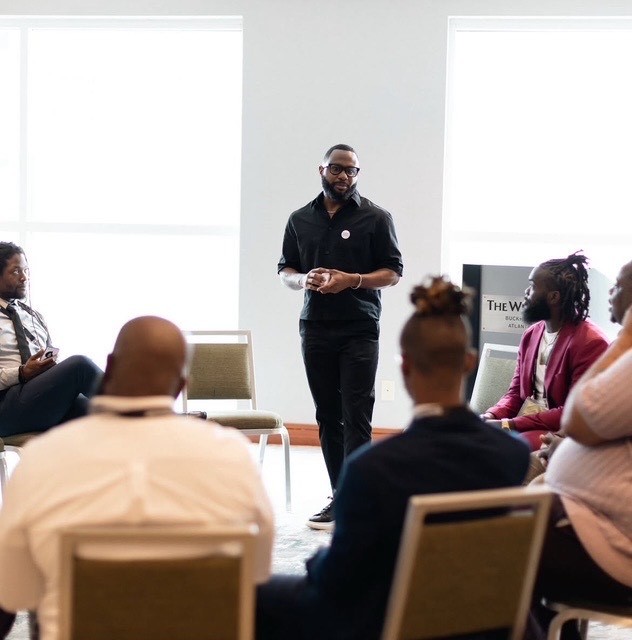
Photo Courtesy: Kollins Benson
Social media has created constant cognitive stimulation, comparison, and emotional flooding. How can Black men regulate their nervous systems when their phones rarely give their minds a moment of rest?
D’Shawn: First, we have to acknowledge that many men use their phones as their main coping strategy for distraction, connection, and even emotional relief, so the goal is not just to get off your phone. It is about changing how and when we engage. Simple practices like setting no scroll time in the morning, not taking the phone into the bedroom, or intentionally following content that reflects growth instead of just trauma can make a big difference. Regulation comes from giving the brain predictable moments of quiet, not from trying to completely disconnect in unrealistic ways.
What conversations about Black male mental health do you think we are still avoiding because they make people uncomfortable?
D’Shawn: We still avoid talking honestly about how emotional suppression shows up as anger, control, or emotional distance in relationships. We talk about stress and trauma, but we do not always talk about how unprocessed emotions can hurt partners, children, and friendships. That conversation is uncomfortable because it asks for accountability, not just empathy. But healing requires both, understanding the pain and taking responsibility for how that pain gets expressed.
Photo Courtesy: Kollins Benson
What upcoming mental health initiatives, programs, or community efforts are you currently involved in or preparing to launch?
D’Shawn: Right now, I am focused on expanding access to culturally responsive therapy and building programming that blends clinical tools with real world application, including psychoeducational workshops, men’s mental health discussions, and partnerships with community organizations. The goal is to meet Black men not only when they are in crisis, but also when they are simply trying to grow, heal, and build healthier lives.
How do you envision Safe Haven Therapy Services evolving over the next few years to meet the changing needs of Black men?
D’Shawn: I see Safe Haven continuing to grow as both a clinical practice and a community-centered wellness space. That means not only offering therapy, but also creating pathways for education, prevention, and relational skill building. As conversations around mental health become more normalized, men are coming in not just for crisis, but for self-development, relationship health, and emotional intelligence. Safe Haven is positioned to support that shift by offering services that treat mental wellness as part of everyday life, not just emergency care.
What would it look like if mental wellness for Black men were treated as a form of legacy building rather than a crisis response?
D’Shawn: It would mean we are helping men heal not only for themselves, but for their future families, relationships, and communities. Mental wellness would be seen as something you invest in so that your children experience more emotional safety, your partnerships are healthier, and your stress does not become someone else’s inheritance. Legacy building says that my healing matters beyond just my own survival, and it shapes the next generation.
If one conversation could move from the shadows into the light right now, what should it be and why?
D’Shawn: We need to talk more openly about loneliness among Black men. Many men have people around them but still feel emotionally isolated, unheard, or unsupported. That loneliness often hides behind work, humor, toughness, or even social media presence. When we name it, we can start building healthier support systems and friendships, instead of expecting romantic partners or family to carry all of a man’s emotional needs.
For readers who want to learn from and follow your work, where can they connect with you and track your professional journey online?
D’Shawn: People can connect with me through social media, Instagram: dshawnlharris & safehaven_therapy, and to inquire about services, our website is www.safehaventherapyservices.com