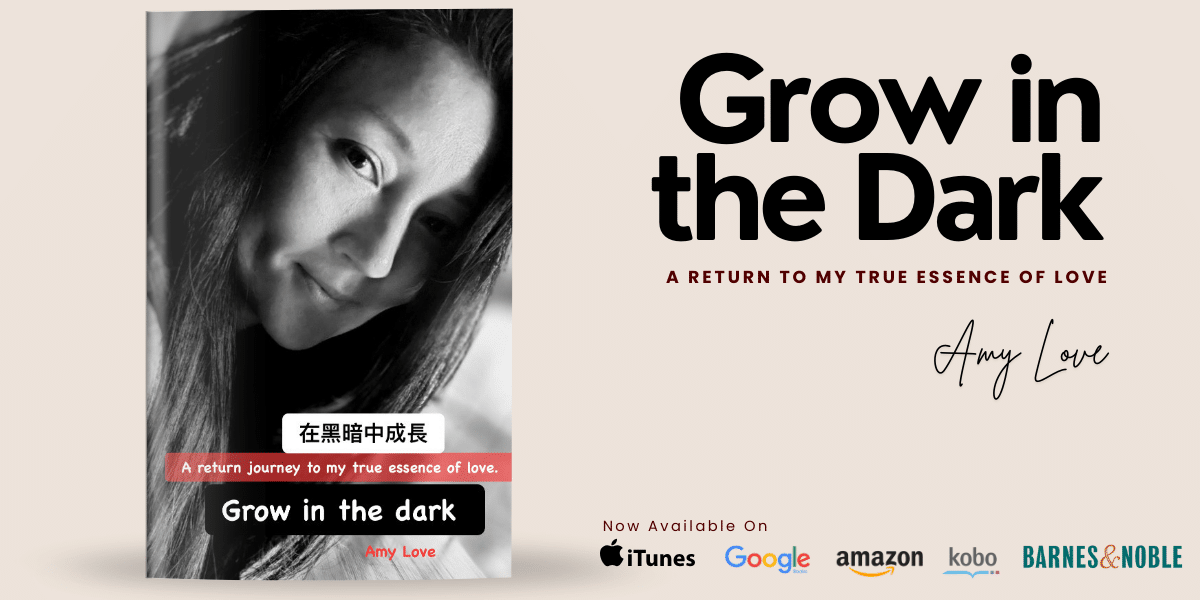


Hunger is a powerful and haunting memory that shapes the lives of those who experience it. In Growing in the Dark, Amy Love vividly recounts her childhood struggle with hunger and how it informed her sense of self and her relationships with food. This chapter highlights not only the physical pain of an empty stomach but also the emotional weight it carried throughout her early years.
From the very beginning, Amy paints a stark picture of her childhood. She recalls moments of dizziness and despair, standing against a wall as her stomach growls in protest. With limited resources available, her breakfast often consisted of a meager mixture of water and flour, a combination that offered little more than a fleeting sense of sweetness. This was a stark contrast to the warmth and comfort many children associate with their first meal of the day. For Amy, each day began in a cold, dark space where hunger was an all-too-familiar companion.
Her parents, having grown up in similar circumstances, seemed to believe that their children would be fine carrying an empty stomach to school, just as they had. This belief set a chilling precedent, creating a cycle of hunger that Amy felt keenly, especially when surrounded by her classmates enjoying their meals. Observing her peers eat became a painful reminder of her own deprivation, intensifying her hunger and loneliness.
One poignant memory stands out: arriving late to school and finding the classroom empty, a momentary refuge. The calm of the deserted room quickly gave way to temptation when she spotted a half-eaten sandwich in a classmate’s drawer. Acting on impulse, she took the sandwich and hid in the bathroom to savor her ill-gotten gain. The taste was exquisite, a stark contrast to the blandness of her usual meals, yet the act of stealing filled her with guilt. Amy’s internal conflict serves as a powerful reminder of how desperation can lead to choices that conflict with one’s values.
As the day wore on, the weight of her guilt grew heavier, gnawing at her conscience until the final bell rang. She felt relief as her classmates rushed home, but her mind remained trapped in a cycle of anxiety and remorse, wondering if the owner of the sandwich would go hungry because of her actions. This experience marked a pivotal moment in Amy’s childhood, as it underscored the depths of her hunger and the lengths to which she would go to satisfy it.
Amy’s relationship with food evolved further when she discovered a half-eaten rice sushi roll discarded in a trash can. Waiting until her classmates left for PE, she seized the opportunity to retrieve the sushi roll, its sweet, soft rice and flavorful fillings providing a moment of culinary bliss that was previously unknown to her. The rush of flavors was exhilarating and marked a turning point in her relationship with food—a blend of guilt and joy.
Years later, as a mother herself, Amy embraced the flavors of her childhood, ensuring that her children would experience the joys of food she once craved. Her love for Taiwanese cuisine became a bridge connecting her past with her present. Each bite of sushi rolled into her children’s lives was a testament to resilience, a way to transform her painful memories into joyful experiences.
Amy’s journey is beautifully encapsulated by Virginia Woolf’s quote: “One cannot think well, love well, sleep well, if one has not dined well.” This statement resonates deeply within Amy’s narrative, as food becomes more than sustenance; it transforms into a symbol of comfort, connection, and healing. The sushi roll represents not just a meal, but a memory that links her past struggles to her present joys.
Through this chapter, Amy Love invites readers to reflect on their own relationships with food and the memories that shape them. Growing in the Dark is not just a memoir about hardship; it is a testament to the enduring power of food as a source of comfort and a reminder that even in darkness, moments of sweetness can emerge.
For those who resonate with Amy’s story, Growing in the Dark is available on Amazon, Barnes & Noble, Google, iTunes & Kobo.. This memoir serves as a guide through the complexities of life, inviting readers to reflect on their own experiences and the healing power of food and memory. Join Amy in exploring the intricate tapestry of life, love, and the resilience found in even the darkest moments.
Published by Mark V.