

In emerging fashion, a singular vision is often considered a strength—but for kubeko, diversity in approach is a key part of its philosophy. Founded in New York by Heewon Lee and Keon Jung, the label aims to expand beyond clothing. Rather than viewing garments as the sole output, kubeko integrates 3D models, graphic design, and visual storytelling as interconnected forms of expression within a larger emotional universe. At the heart of that universe is Crying Boy, a fictional muse who embodies vulnerability, transition, and quiet defiance. His emotional journey is not only a source of inspiration—it becomes embedded into many layers of the brand’s identity.
Kubeko’s debut collection, Crying Boy, demonstrates how fashion can serve as a vessel for storytelling. Garments act as chapters, props and objects function as metaphors, and graphic elements help establish the emotional atmosphere. Garment construction works in tandem with in-house 3D modeling and printing, experimental visual direction, and emotionally evocative graphic work. Each discipline influences the others, creating a conversation that merges fashion, digital design, and narrative art.
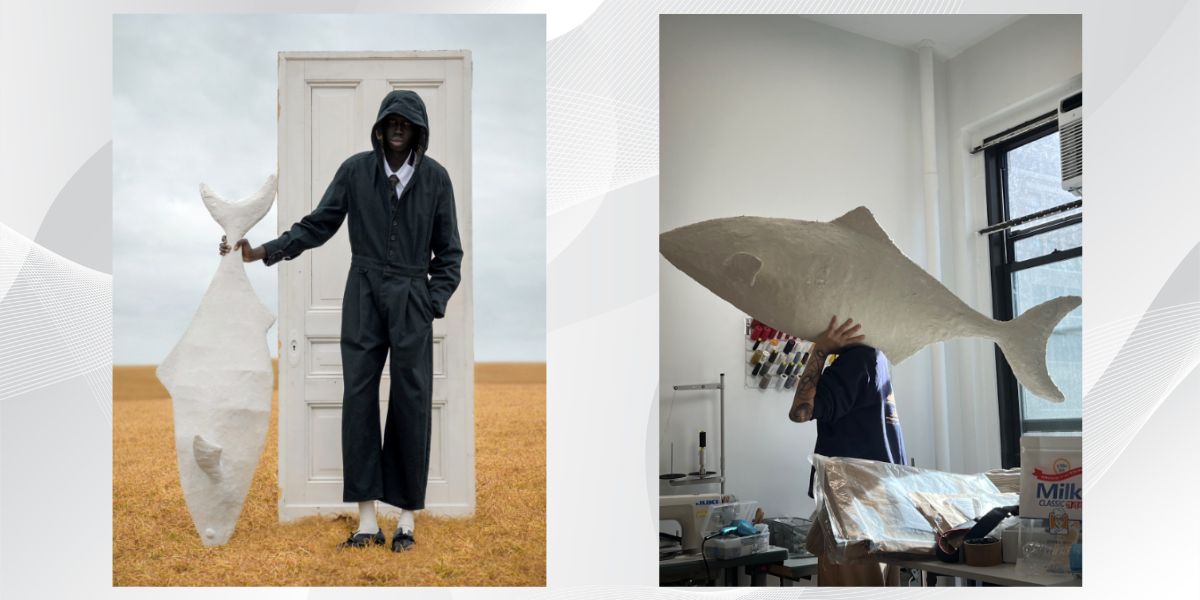
The muse is more than just an idea. Crying Boy is imagined as someone who has spent his entire life in a single room. As he takes his first steps into the outside world, both figuratively and literally, this journey is reflected in the clothing and in a physical object: a hand-finished art toy version designed and 3D-printed in-house. Sculpted and painted by the team, the figure illustrates kubeko’s belief that design and story are inseparable.
Animation and graphic design give kubeko the ability to express a concept more vividly. In this work, the studio brings Crying Boy, a figure of imagination, to life within a virtual space. A series of short animation clips portrays Crying Boy in his universe: sitting on the floor of a dark room as light filters through the window, gradually revealing paper cranes floating around him. Kubeko shares that “the cranes represent hope, folded tightly and contained in jars yet always yearning for release. The drifting forms symbolize that hope stirring to life, marking the moment when his dreams begin to awaken.”
The contrast between light and shadow in kubeko’s animation emphasizes the theme of duality. As described, “light appears warm and life-giving, yet can also blind; shadows may represent darkness and uncertainty, but they can also provide shelter and protection.” This interplay mirrors the physical and mental world Crying Boy inhabits, while the light emerges as both a symbol of hope and a subtle call to adventure—a gentle nudge toward reality. For kubeko, animation acts as the bridge between the physical creations the studio delivers and the dreams it seeks to communicate.
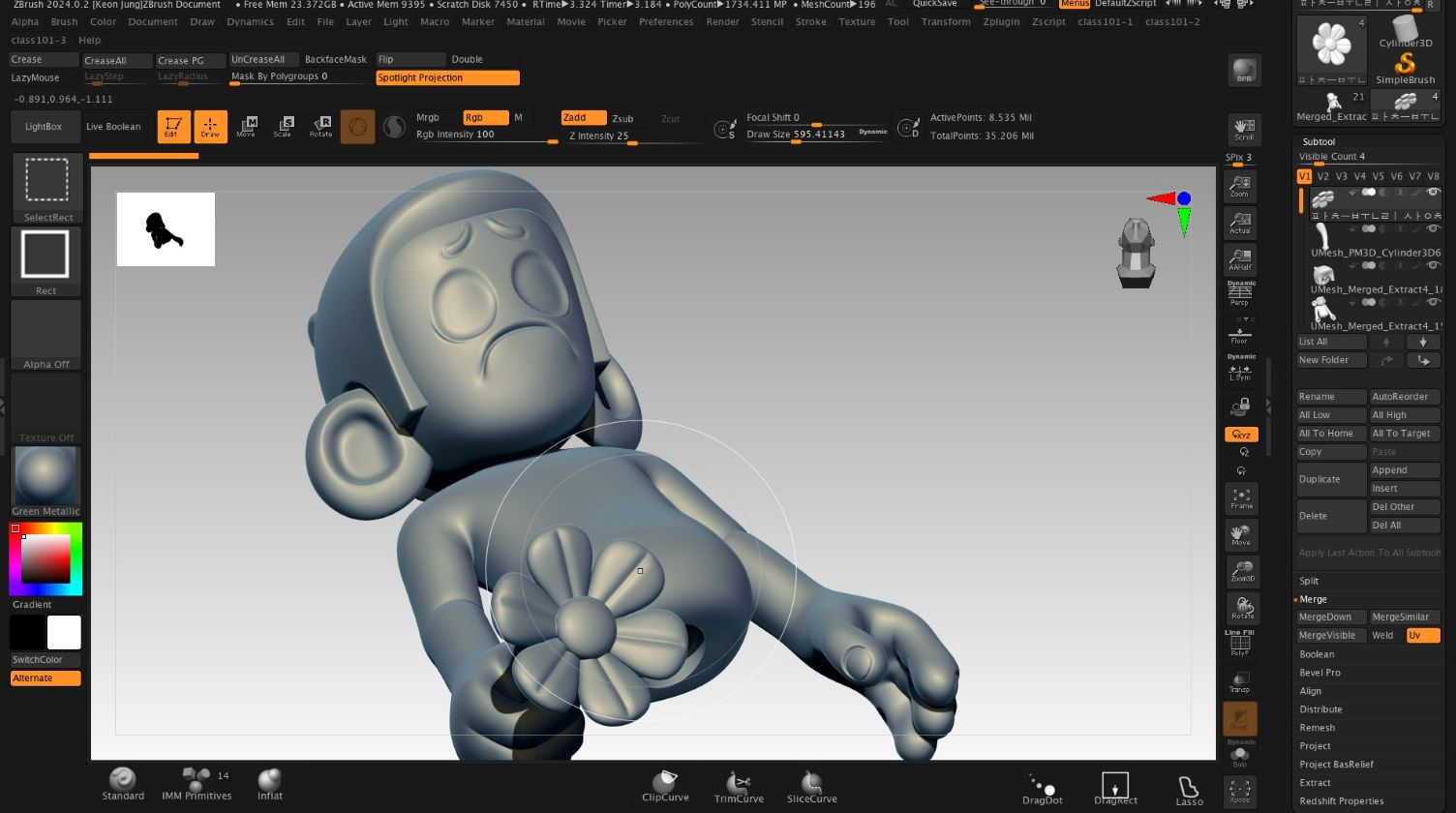
Photo Courtesy: Kubeko
Though the concept is expansive, the garments remain grounded in wearability. Familiar silhouettes are subtly elevated with unexpected details—uniquely shaped cuffs, peekaboo undercollars, hand-stitched finishes, and carefully curated print pairings. Kubeko’s knitted pieces reveal similar unexpected elements. What may seem solid from afar is, on closer inspection, a delicate interplay of linen yarn threads encased in chained viscose, as seen in the Juno and Ato tank tops. Similarly, the Gari top is crafted from yarn made primarily of recycled cotton, resulting in a fabric that feels raw yet delicate as it hugs the body. Upon closer inspection, subtle slubs and specks emerge—natural imperfections that reflect the material’s previous life. These design details echo the internal world of the muse: quiet on the surface, but complex and ambitious upon closer examination. Each piece aims to connect a diverse community, united by shared experiences, hybrid identities, and movement across cultures.
Kubeko’s studio operates without the rigid silos of a traditional fashion house. Digital sculpting can reshape a garment’s silhouette, and a storyboard can inspire a shift in tailoring. By uniting 3D design, graphic direction, and garment-making under one roof, the team operates with creative agility—allowing them to merge perspectives and ideate more deeply, while ensuring consistency across all media. This fluid approach leads to a guiding question for kubeko: “Would Crying Boy wear this?” This thought infuses their work with a toy-like spirit: notched collars, hanging pockets, and droplet-like collars become playful details that resemble parts of a cherished toy.
As kubeko grows, the founders remain focused on scaling not just products, but a philosophy—one that embraces craft, emotional clarity, and the boundless potential of multidisciplinary design. Future collections are expected to expand into accessories and objects, further immersing audiences in Crying Boy’s evolving and imaginative world. In an industry still bound by seasonal cycles and conventional brand definitions, kubeko presents an alternative model: a more layered, resonant story told across various disciplines, one that prioritizes meaning, longevity, and emotional connection above transient trends.