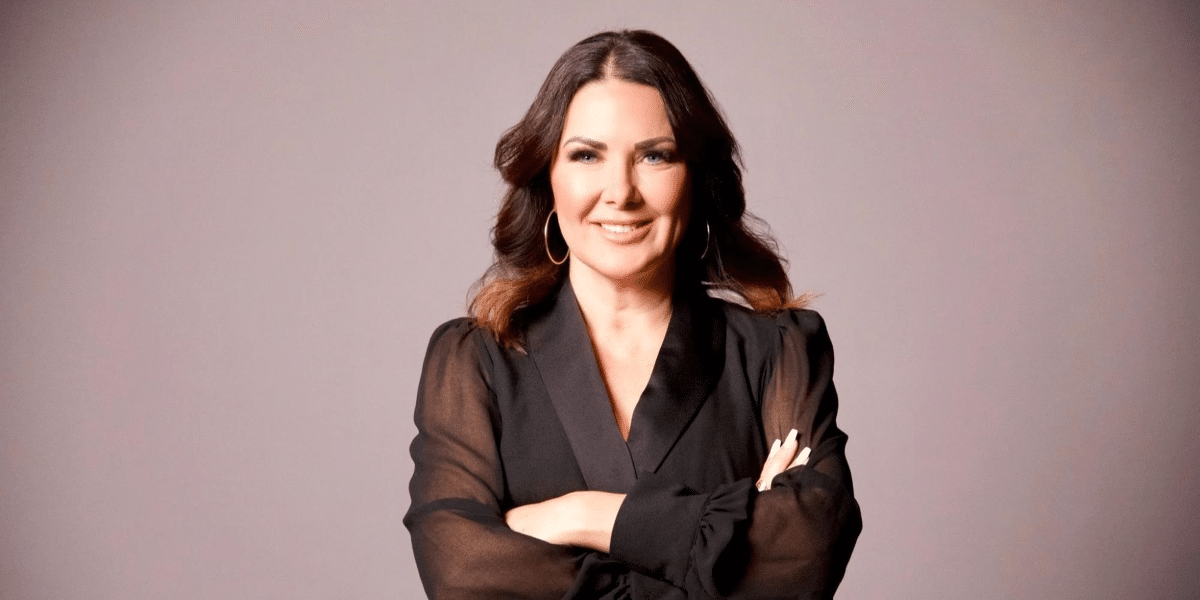


The relationship between confidence and clothing runs deeper than most realize. While fashion trends come and go, the impact of personal style on self-assurance remains constant. Kerry Brownell, with her unique blend of beauty therapy and styling expertise, has developed an approach that goes beyond picking outfits. Her work with clients illustrates how styling can feel like a form of therapy, helping women work through self-doubt and reconnect with their confidence. Through her one-on-one sessions, Kerry shows that personal styling isn’t just about looking good – it’s about feeling good and feeling confident.
Understanding Confidence Gaps
Confidence issues affect people of all ages and genders. “Men, women, and even children struggle with confidence,” Kerry explains. Drawing from her experience with clients and raising two teenage daughters, she’s noticed that these challenges often begin early in life. “Confidence issues often start in school. Kids fear being judged by their peers, they avoid standing out or being different, and this mindset tends to carry into adulthood.”
Kerry’s approach is shaped by years of working in customer-focused roles, from hospitality to her time as a flight attendant. Now, as a personal stylist, she offers one-on-one sessions in her private studio, away from the bustle of shopping centers. “Many clients feel vulnerable and open up to me, sometimes even shedding tears. These sessions create a safe space for them to share their struggles and express how they’re feeling.”
Using Clothes to Boost Confidence
For Kerry, clothing is more than just fabric—it can be a tool for transforming how someone feels about themselves. “You probably know the feeling when you put on your best outfit for a special occasion, going out with your partner. You look in the mirror and think, ‘Yes, I look good.’ That little boost of confidence can make a big difference,” she explains.
The benefits go beyond appearance. When clients learn to dress in ways that enhance their confidence, it sets off what Kerry calls a “ripple effect.” She adds, “When others notice and say, ‘You look great,’ or ‘That color really suits you,’ those compliments can lift someone’s spirits even more. It creates a cycle of positivity.” This newfound confidence often spills over into other aspects of life, from excelling at work to improving personal relationships.
Three Essential Styling Tips
Kerry shares three key strategies for building a confidence-boosting wardrobe:
Find Your Colors: “Get your colors sorted out,” Kerry emphasizes. “Getting your colors right is more important than the actual style of clothing because you can have something that’s completely shapeless and does nothing for you, but if it’s the right color, it’s going to make you look amazing, and your eyes will pop!” The wrong colors can leave you looking tired or washed out, while the right ones enhance your natural features.
Dress for Today: Rather than waiting to lose weight or reach some ideal size, Kerry advocates dressing for your current body. “People put themselves and their lives on hold because they’re not happy with themselves,” she observes. “Life’s too short. Why should we wait to lose that weight? Why can’t we dress for our body shape and our height now?”
Master the Basics: Focus on foundational pieces and accessories. “Learn what basic items you need in your wardrobe. Not just clothes, but what shoes and what accessories,” Kerry advises. She recommends investing in versatile pieces like white sneakers and nude-colored shoes that go with everything, along with strategic use of jewelry and accessories to create different looks.
Smart Investment Strategies
When building a wardrobe, Kerry advises focusing on cost per wear rather than just the price tag. She illustrates this with an example: “Imagine you’re in London and come across a £2,000 coat. If you live in the UK, you’d likely wear that coat frequently, making it a worthwhile investment. But if you lived in a warmer climate, it might end up being an expensive, rarely-worn item.”
Kerry’s closing advice is a reminder to be kinder to ourselves. “Stop being so hard on yourself. Stop critiquing your appearance so harshly. The ‘flaws’ you see in yourself often go unnoticed by your friends—they see you, not your insecurities.” She’s witnessed this repeatedly in group styling sessions, where one person might fixate on a perceived flaw while others see nothing but beauty. Through thoughtful styling, these insecurities can be minimized, allowing true confidence to shine.
To learn more about Kerry Brownell and her approach, check out her LinkedIn profile.
Published by Elle G.