


By: Tatiana Kibkalo
Abstract
The article examines the phenomenon of custom design as a key direction in the modern fashion industry. The business models of author brands combining couture traditions and innovative approaches to personalization are analyzed. Special attention is given to the role of the designer as an entrepreneur who unites craftsmanship, technology, and emotional communication with the client. It is shown that the individualized approach becomes not only an aesthetic but also an economic tool for sustainable development.
Introduction
Fashion of the 21st century becomes a space of self-expression, where the story behind each item matters more than trends themselves. Modern clients increasingly strive for clothing created personally for them — not mass-produced, but meaningful, carrying an individual character. This shift defines a new paradigm of fashion business.
If in the 20th century success was defined by the scale of production, then in the 21st, by the depth of connection with the client. In this coordinate system, tailoring craftsmanship, the designer’s idea, and a personal approach turn into strategic assets.
The traditions of haute couture, which for many years were perceived as an elite niche, are now returning as a model for sustainable entrepreneurship, where quality, emotion, and creativity are equivalent to success.
1. Personalization as a Strategy of Success
Personalization in fashion is not just an option but a new philosophy. The modern buyer wants to be part of the creative process, not just a consumer. Every dress, suit, or accessory becomes not only an aesthetic object, but also an element of identity.
Research indicates that the personalized fashion market is experiencing steady growth, with many customers expressing a preference for items tailored to their individual style and needs.
2. Design as a Cultural Code and a Form of Communication
Custom design turns into a language that connects culture, emotions, and history. Each collection becomes the result of a dialogue between cultural traditions and the modern perception of beauty. Modern designers increasingly work with ethnic elements, combining them with current silhouettes and innovative fabrics.
This is how intercultural couture is born — a direction where cuts and ornaments from different eras are united in an aesthetic of global unity. Such synthesis strengthens the emotional perception of fashion and expands the audience of author brands.
3. Fashion Entrepreneurship: Fashion as a Business with an Idea
The new era requires a designer not only to be creative but also to have entrepreneurial thinking. A successful fashion designer today is a manager, marketer, strategist, and visual philosopher.
According to McKinsey (2025), independent designer brands have gained significant traction in recent years, reflecting a broader shift towards consumer preference for brands that emphasize real personalities and transparent values.
Author ateliers, workshops, and small studios are becoming the foundation of the new fashion economy — an economy of trust. The customer pays not only for the item itself, but also for confidence in its origin, quality, and meaning.
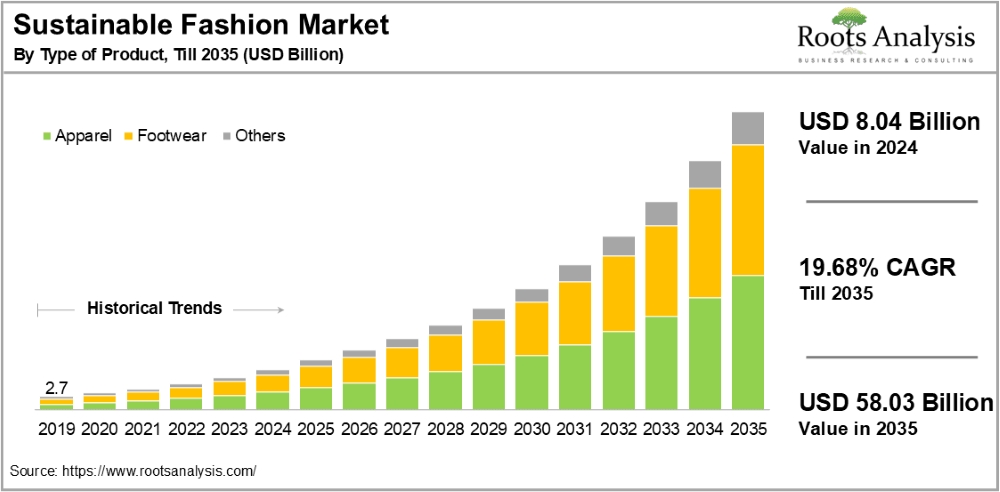
Photo Courtesy: Root Analysis
4. Innovation as a Tool of Couture Production
Technology has ceased to be the opposite of craftsmanship — it has become its ally. 3D modeling, digital patterns, virtual fitting rooms, and intelligent CRM platforms help ateliers create impeccable service.
According to Deloitte (2024/2025), luxury‑class boutiques are increasingly integrating digital tools—such as AI, data analytics, and omnichannel technologies—to enhance precision, speed, and efficiency in both customer experience and operations. Rather than rejecting tradition, innovation in couture is enabling brands to reinterpret craftsmanship through technology and adapt to evolving consumer expectations.
5. Emotional Connection as the Foundation of a Brand
The phenomenon of emotional branding becomes a determining factor of success. Modern clients choose not a product, but a story associated with emotions — inspiration, trust, dream.
“Research suggests that a significant portion of luxury buyers are influenced by emotional connections with brands. This highlights the importance of fostering meaningful engagement and connection, rather than relying solely on traditional marketing strategies.
6. Slow Fashion and Sustainable Production
Sustainability is becoming an integral part of design. More and more brands work according to the principles of slow fashion — they create small collections, use eco-friendly materials, and revive the culture of long-term wear. Such a model forms a new aesthetics — conscious, respectful of labor and of nature.
Fashion once again becomes part of a harmonious world, where beauty is born from responsibility.
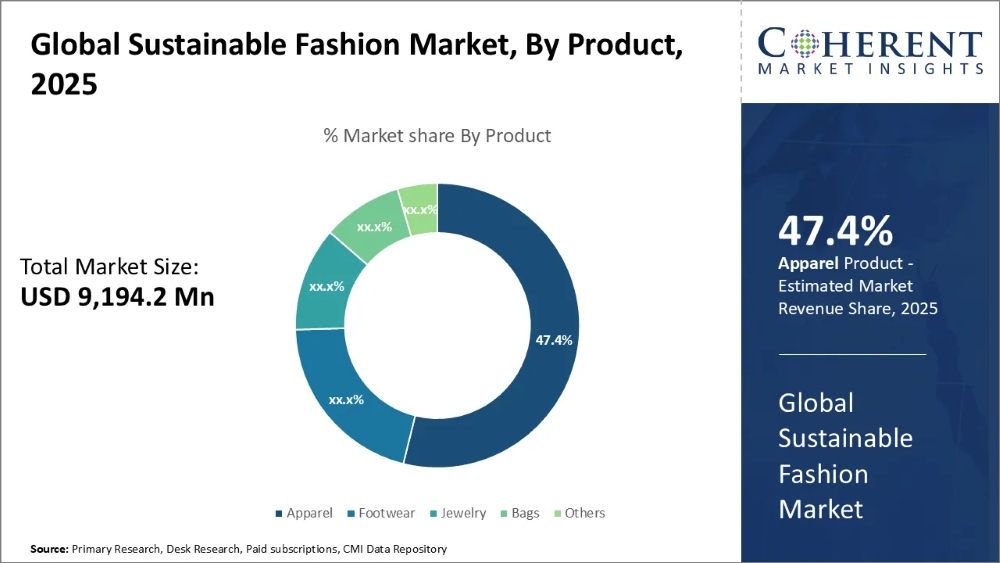
Photo Courtesy: Coherent
7. The Human Factor and the Transmission of Craftsmanship
One of the most important aspects of couture remains continuity. Handwork, accumulated knowledge, and a subtle sense of fabric cannot be replaced by algorithms. Small workshops preserve unique technologies that form the foundation of global fashion culture.
Passing on craftsmanship to young designers becomes not merely training, but part of cultural heritage. This preserves the balance between tradition and innovation that keeps the fashion industry alive and human.
Conclusion
Modern fashion is a symbiosis of craftsmanship, technology, and emotions. Personalization, ethics, and digitalization form a new type of fashion entrepreneurship in which each collection is a dialogue between culture and personality.
From atelier to international brand, the path is built on respect for the client and the pursuit of excellence. Fashion ceases to be just a business — it becomes a language of communication between a person and the world.
Sources
- Statista. Personalized Fashion Market Growth Report. 2025.
- Vogue Business Intelligence. Global Cultural Design Report. 2025.
- McKinsey. Independent Fashion Brands Outlook. 2025.
- Deloitte. Fashion Tech and Digital Couture Review. 2024.
- Harvard Business Review. Emotional Engagement in Fashion. 2025.
- PwC. Global Fashion Sustainability Report. 2025.