

By: Daniel Brown
When Chinese designer Zhao Xiaofan took the podium at the 2025 American Good Design Awards with her “MEET XISHI” collection, it was more than a moment of personal glory—it was a statement about the growing resonance of Eastern aesthetics on the global stage. With an exceptional talent for “cultural translation,” Zhao transforms profound Eastern symbols into a modern, globally appealing design language. Her work exemplifies how rooted tradition can coexist with commercial vitality, proving that meaningful design can also drive market success.
Design Power as Market Power: The Business Logic Behind Hit Products
In Zhao Xiaofan’s creative philosophy, art and commerce are inseparable. She believes design should function as the core engine of brand value growth—a belief vividly illustrated through the market performance of her recent projects.
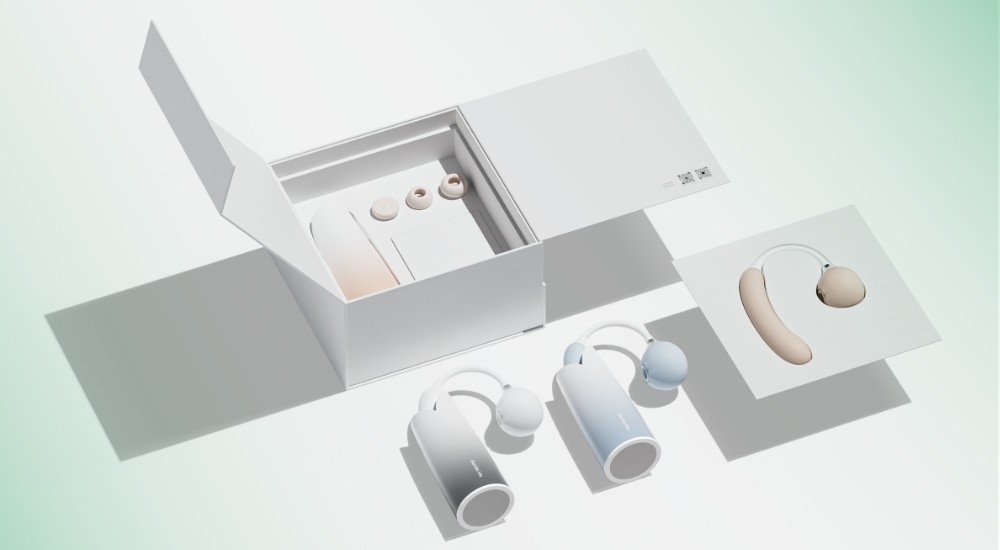
Photo Courtesy: Zhao Xiaofan
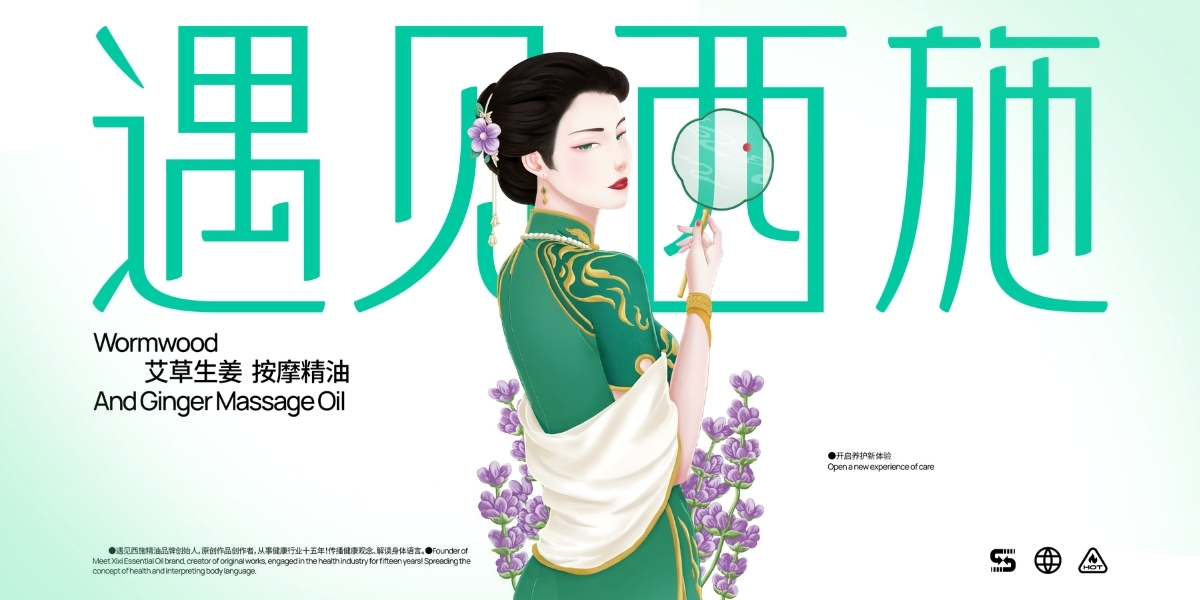
“MEET XISHI” Brand and Essential Oil Series Packaging Design
Take the “MEET XISHI” essential oil series launched in 2023. Drawing inspiration from the legendary Jiangnan beauty Xishi, Zhao reimagined the archetype through a modern lens, translating cultural heritage into contemporary product storytelling. Her design used intuitive visual cues to express product functionality while maintaining a poetic, emotionally resonant tone. The result was a packaging system that resonated with diverse audiences and contributed to significant sales on Douyin, with a high positive rating. Within the industry, it was recognized as an example of how design can translate into business performance.

Photo Courtesy: Zhao Xiaofan
Packaging Design for the Feminine Personal Care Brand “Gentle Me”
Building on this success, Zhao’s 2024 design for the feminine care brand “Gentle Me” became another sensation. She infused the brand with delicate details—lily-of-the-valley motifs, handwritten card messages, and subtle embossing—that conveyed warmth and sincerity. This emotional precision enhanced the unboxing experience and contributed to the product’s strong reception on Taobao, despite a price premium.
Methodology: From Personal Exploration to Business Empowerment
Zhao Xiaofan’s success in both academia and the marketplace is rooted in her early design research. Her exploration of “Neo-Visual Typography”—a conceptual framework that blends narrative, emotion, and cultural symbolism—laid the groundwork for her later cross-cultural practice. Over time, Zhao refined these concepts through commercial projects, transforming theoretical insight into actionable design strategies.
Her recent works, particularly “MEET XISHI” and “Gentle Me,” have enabled her to develop a full-fledged commercial design methodology—a system that integrates brand positioning, visual identity, and user experience into one coherent process. By applying this approach to small and medium-sized enterprises, Zhao has helped emerging brands achieve visibility and sustainable growth, demonstrating that great design can be both culturally rooted and commercially scalable. Today, she is expanding her practice from individual projects to comprehensive brand empowerment, utilizing design as a tool for strategic innovation and value creation.
Future Vision: Building a Cross-Cultural Design Ecosystem
Looking ahead, Zhao Xiaofan envisions a future where design serves as a bridge—not just between aesthetics and business, but between cultures. In collaboration with long-term partners, she plans to explore international markets and consider establishing a design studio in the United States, an international platform combining AIGC-driven creativity, brand incubation, and market expansion. The studio aims to integrate global design resources and industry expertise to explore how artificial intelligence and cross-cultural collaboration can redefine the future of design.
This initiative underscores Zhao’s ambition to build a cross-cultural design ecosystem—one that empowers creators, brands, and consumers to engage in a deeper dialogue about aesthetics, identity, and value.
The Broader Significance
For Zhao Xiaofan, design is far more than visual expression; it is a language of communication between brands and audiences, and an engine that transforms creativity into commerce. Her work demonstrates how Eastern aesthetics can evolve beyond cultural symbolism to shape global market trends.
Through her designs, Zhao highlights Chinese creativity while engaging in a broader dialogue about authenticity, emotion, and innovation. Her journey—from design to business leadership—demonstrates how culture and strategy may help shape design’s impact on brands and the communities they influence.