

By: Sienna Hartfield
Entrepreneur, athlete, and founder of CARMA, Drew Shaulson, talks about Tourette’s, burnout and balance, building an app from scratch, and why discipline, not motivation, drives his life.
Q: You grew up just outside New York City. How did that environment and living with Tourette’s shape you?
Drew Shaulson: I’m from a 6,000-person town in the NYC suburbs. The geography mattered less than growing up with Tourette’s. It taught me early that everyone’s fighting invisible battles. That gave me empathy and a real focus on how you treat people. Sports were huge for me too. I was on track to play college football, and that gave me structure, competitiveness, and grit.
Q: What was life like before fitness became a centerpiece?
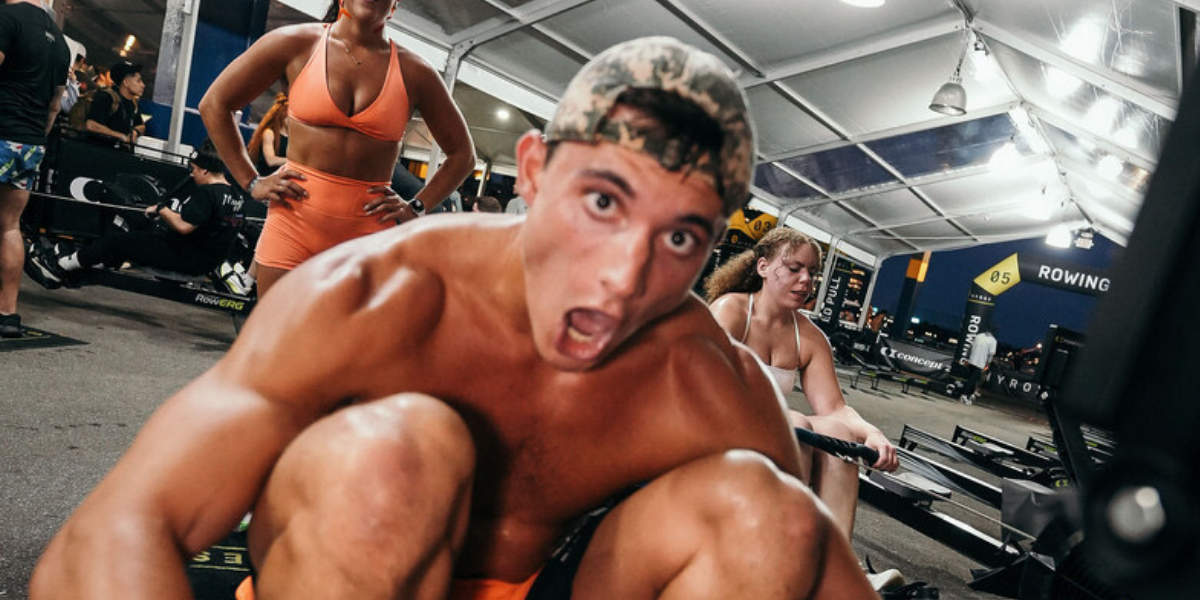
Drew: Busy: sports, friends, video games but school was the main thing. From middle school on, the goal was to get into the best college I could. When I broke my back in high school and football ended, I still had other anchors. Fitness became another outlet alongside everything else and has been a part of my life since junior year.
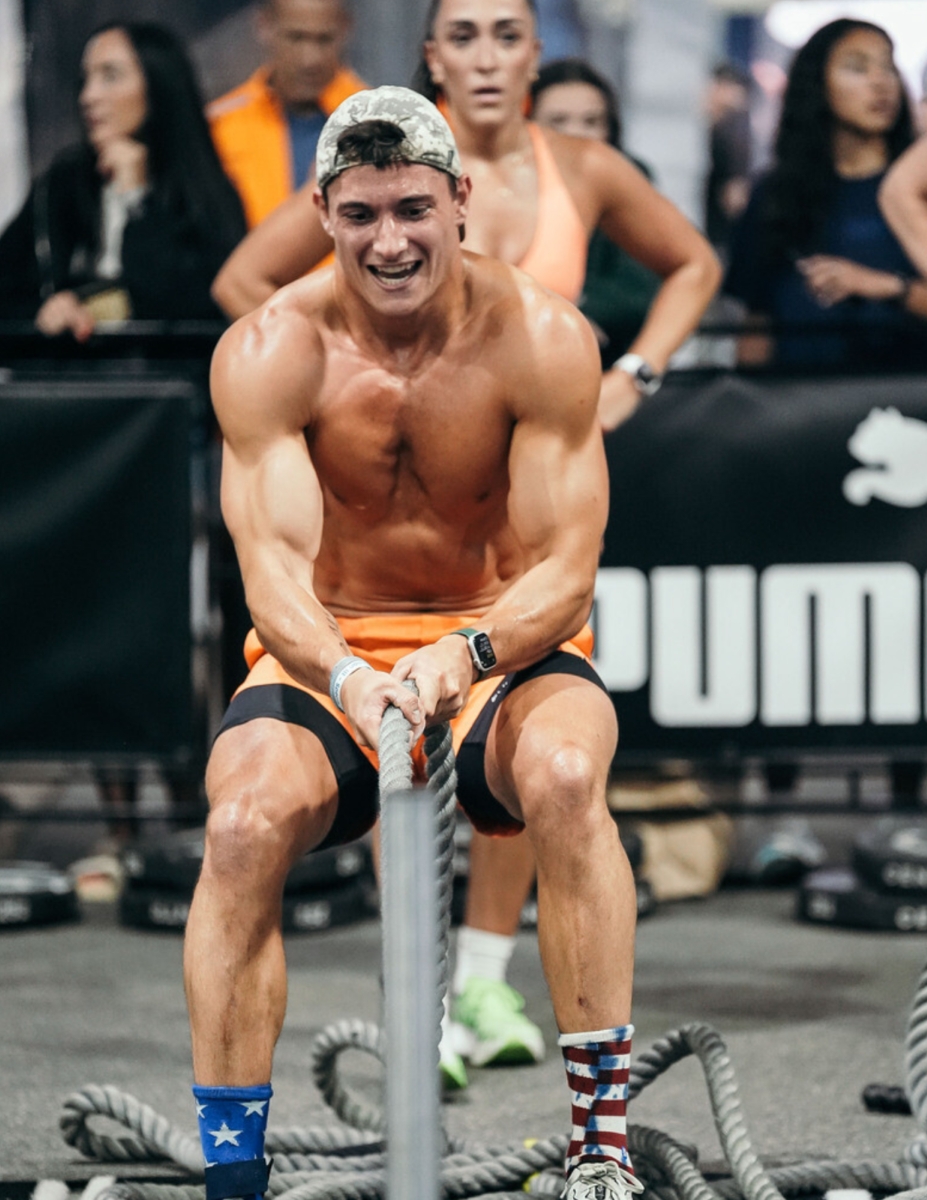
Photo Courtesy: Sportograf / Drew Shaulson
Q: Was there a defining moment that nudged you onto this path?
Drew: Three, actually. Multiple stress fractures in my L5 ended football, and I channeled that competitive energy into training. At Penn, Nutrition 101 showed me how what I learned in class could apply to my life immediately, and that’s when the science of exercise and nutrition hooked me. But I pushed too far, burned out, developed an eating disorder, and fell into depression. That forced me to learn balance—the mix of science and experience, logic and emotion—which became the backbone of how I train and why I built CARMA.
Q: For someone who’s never heard of CARMA, what does the app actually do when you open it for the first time?
Drew: CARMA puts everything I’ve learned about health in one place. It teaches you how to track macros the right way with realistic calorie targets, helps you focus on the sleep and recovery metrics that matter most, shows you what stress levels really look like and how to manage them, and even suggests foods and exercises to keep you in your optimal range each day based on your biology and schedule. Using your wearables and nutrition tracking, CARMA gives you live-time scoring and coaching, showing you what you’re crushing and giving clear fixes for the areas you’re behind on. The goal is simple: after using it, you should feel, perform, and look better—not just in the gym, but also at work and in your relationships.
Q: How is CARMA different from other fitness or nutrition apps out there?
Drew: Most apps only give you data in separate silos, one for workouts, one for food, one for sleep, one for stress. CARMA is the only app that integrates all four. It uses AI to connect them so each one impacts the others: your sleep affects your workouts, your workouts influence your stress, your nutrition drives recovery, and so on. Instead of scattered numbers, CARMA gives you a complete health snapshot in one place, helping you make smarter decisions every day.
Q: Positivity is a through-line in your content. What keeps you motivated when things get hard?
Drew: My mantra: “Your actions don’t care about your feelings.” I’m not motivated more than half the time. The difference-maker is pushing when it’s hard. If I do that consistently, I give myself a chance to win.
Q: How do you pass that mindset to your audience?
Drew: Sometimes it’s as simple as wearing a smile. I try to show I’m having fun-lifting, getting ready, or coding CARMA. That energy is contagious; it reminds people they can bring fun into most environments.
Q: What’s the most meaningful message you’ve received from the community?
Drew: A CARMA subscriber messaged me saying the app was changing how he saw health and fitness and thanked me for sticking with it. I got home, reread it, and cried in the shower. It made the three years of late nights, early mornings, weekends, uncertainty, and iteration feel seen. Since then, people have offered to help build CARMA, investors have reached out to back me, and others say the positivity in my content keeps them grounded.

Photo Courtesy: Sportograf / Drew Shaulson
Interviewer: What’s next?
Drew: I want CARMA to become a household name – real, sustainable health built on science and balance. Competition-wise, I have one CrossFit and one Olympic weightlifting meet coming up, and I’m chasing National Weightlifting Finals. For fun, I want to do volleyball and pickleball tournaments. I’m also beta testing a dog-related project and looking forward to collaborations – especially once I’m back in Miami – with people who know how to help others live better.
Q: If readers take one thing from this interview, what should it be?
Drew: Balance wins long-term. Health is science and experience, logic and emotion. And when it’s hard, remember: your actions don’t care about your feelings. Show up, smile, do the work – the rest follows.