By Shiman He
Grief is a universal human experience, yet few technologies are designed to support individuals in navigating its complexities. Qihang Zhang, a multidisciplinary artist, is pioneering efforts to create software that empowers people to face life’s most challenging moments and discover paths to healing. His mobile app, Memory Land, has been named a finalist for the iF Design Award and the UX Design Awards, two of the most prestigious honors in the UI/UX field. The app has also won Gold at the London Design Awards, among many other accolades. These recognitions highlight Qihang’s innovative vision and his impactful use of digital and emerging technologies to address the pressing challenges of mental health support.
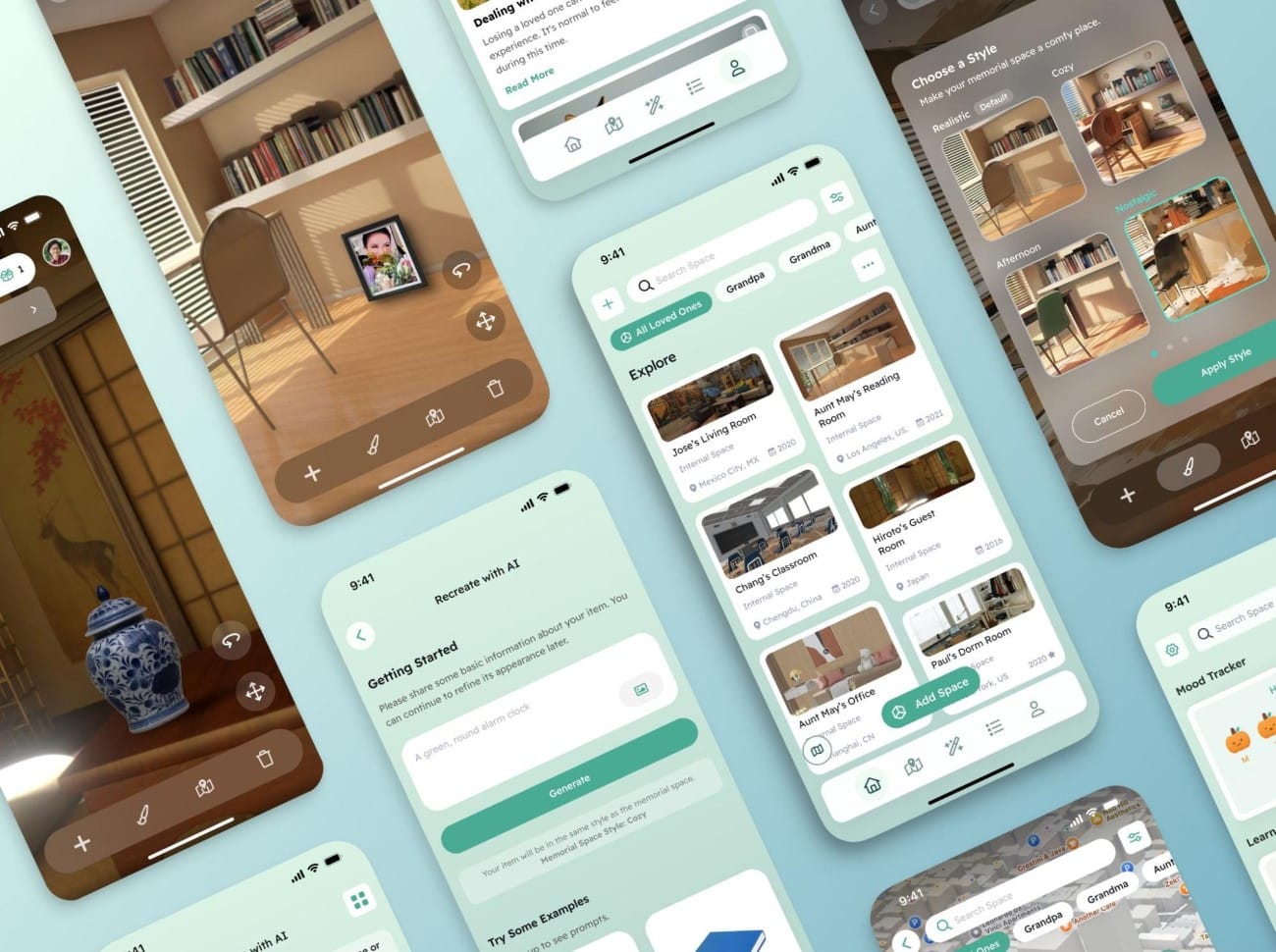
Photo Courtesy: Memory Land / Qihang Zhang
Grief as a Universal Issue and the Need for Technological Solutions
Grief is a universal human experience, yet in a world where technology has transformed how we communicate, work, and entertain ourselves, it has done little to address the deeply emotional and personal process of coping with loss. While therapy and community support remain invaluable, many individuals still find it difficult to process their grief, especially in our increasingly digital lives.
Multidisciplinary artist and designer Qihang Zhang recognized this gap with a bold vision. “Grief is deeply personal, but it doesn’t have to be isolating,” Qihang says. “I wanted to create a tool that offers people a sense of agency and creativity in honoring their lost loved ones while embracing technology’s potential to heal.” His solution, Memory Land, is an app and an empathetic digital sanctuary that has redefined the intersection of design, technology, and mental wellness.
Memory Land has already garnered accolades, becoming a finalist for the iF Design Award and the UX Design Awards and winning Gold at the London Design Awards. These achievements underscore Qihang’s innovative approach to addressing mental health challenges through design.
Leverage Creativity to Help Individuals Process Grief and Difficult Emotions
Qihang’s design philosophy draws heavily on the dual process model of grief (Stroebe & Schut, 1999), which emphasizes balancing loss-oriented and restoration-oriented activities for healthy coping. He also integrates findings from studies demonstrating the therapeutic power of creativity in navigating difficult emotions. Memory Land reflects this foundation by empowering users to participate actively in their healing journey.
“Creativity is a way to regain control during moments of emotional chaos,” Qihang explains. “With Memory Land, users can transform their memories into something meaningful — something they can revisit, share, and find comfort in.”
At the heart of Memory Land is its generative AI technology, which allows users, even those far from home, to retrieve cherished memories and reconstruct them in immersive virtual spaces. These spaces are highly customizable, enabling users to upload various media — photos, videos, and audio — to create a unique digital memorial that resonates with their emotions. Research has shown that engaging in creative activities can enhance emotional resilience (Stuckey & Nobel, 2010), making Memory Land a scientifically backed tool for healing.
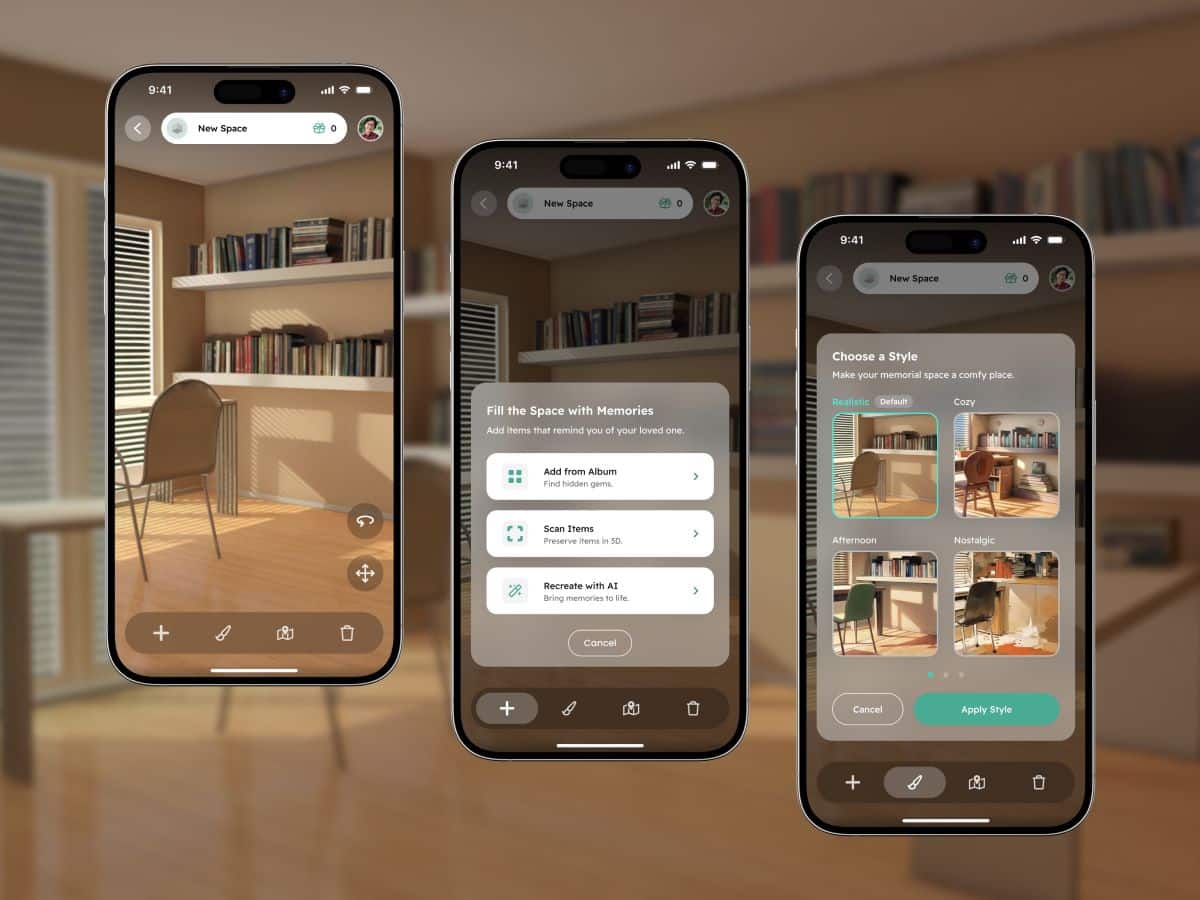
Photo Courtesy: www.zhangqihang.com
Digital Interface as a Road to Healing
Its emotional depth and intuitive and human-centered design set Memory Land apart. Qihang’s UI/UX design expertise shines through in the app’s seamless interface, aiming for accessibility for users of all technical backgrounds. “Designing for grief requires a delicate balance,” he notes. “The interface must be simple enough to avoid overwhelming users, yet rich enough to support deep, personal expression.”
Key features include a 3D scanning tool that allows users to digitize physical objects tied to their memories, such as a loved one’s handwriting or a family heirloom. These elements can be integrated into the virtual memorial, adding layers of personalization. The app also facilitates collaboration, enabling families and friends to collectively build and maintain memorial spaces, fostering connection even in times of distance.
One user, a Chinese student studying abroad, shared how Memory Land helped them preserve the memory of their late father. “My father loved calligraphy, and he left behind a collection of his handwritten poetry. Because of Memory Land, I could digitize his work and create a space to hear his favorite songs, see his handwriting, and revisit our shared memories. It’s like having a part of him with me, even while I’m far from home.”
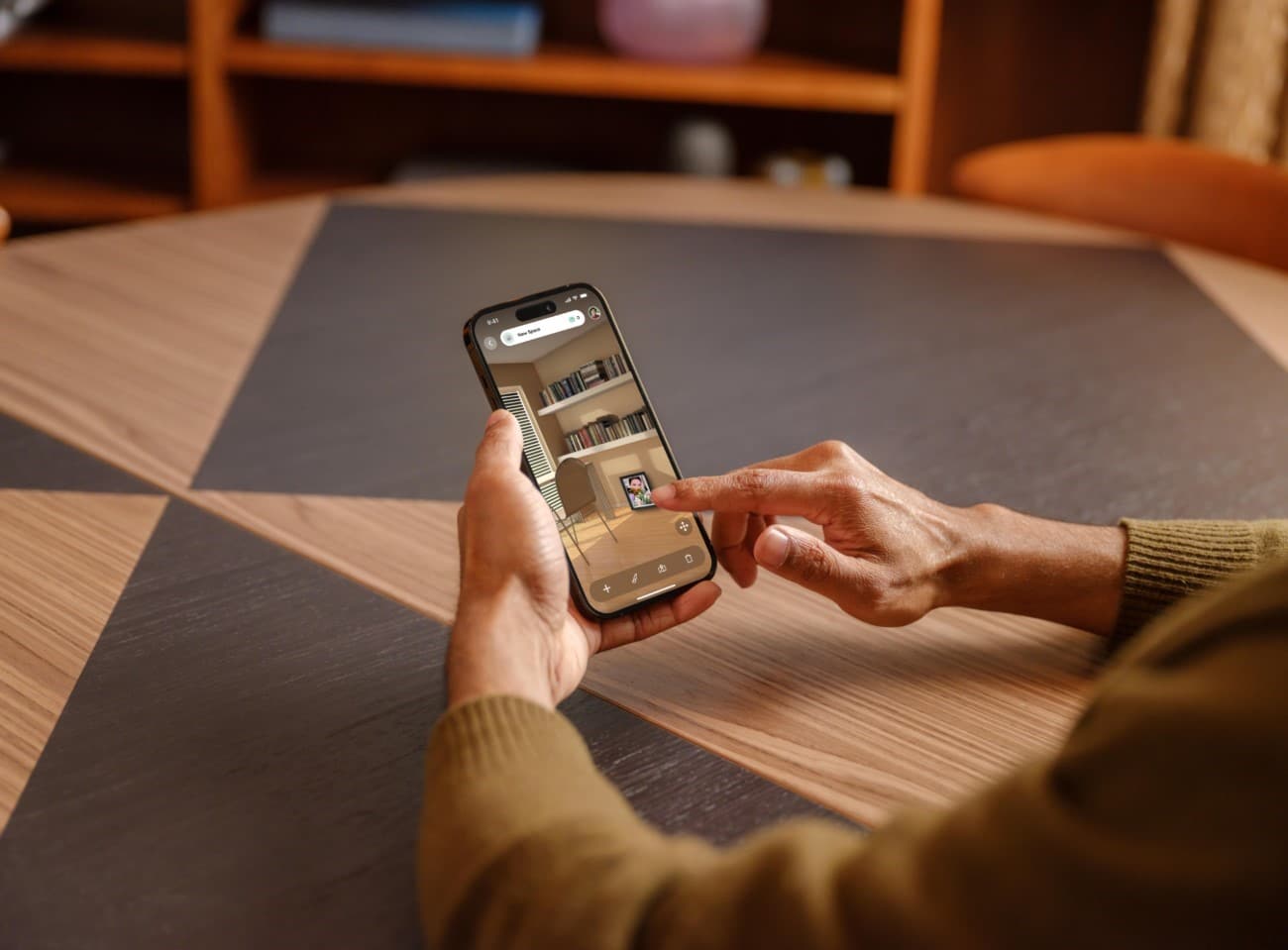
Photo Courtesy: www.zhangqihang.com
The Future Role of Design and Technology in Mental Wellness
Memory Land, currently in development, represents the beginning of what is possible when creativity, empathy, and technology converge. Qihang envisions a future where digital tools are pivotal in addressing grief and a wide range of emotional challenges. “The potential of design is limitless,” he says. “It’s not just about solving problems; it’s about creating opportunities for growth, connection, and understanding.”
Beyond grief, Memory Land’s model could inspire solutions for tackling issues like loneliness, anxiety, and burnout. Its social impact underscores the growing importance of integrating human-centered design with emerging technologies like AI to foster mental wellness on a global scale.
Qihang’s journey with Memory Land is a testament to the transformative power of creativity in addressing universal human needs. “Designing for social good is more than a profession—it’s a responsibility,” he reflects. “Through Memory Land, I hope to remind people that even in the hardest moments, there’s a way to heal.”
Published by Iris S.