


This article focuses on the key mistakes entrepreneurs make during the product creation stage and provides methods for preventing them. Erik Avetisyan’s experience, which combines architectural design and entrepreneurial phases, enables the highlighting of systematic approaches to product development and market launch. The discussion covers analyzing consumer needs, concept testing, resource management, and building a long-term strategy.
Erik Avetisyan
An accomplished entrepreneur and product innovator specializing in consumer goods and alternative industries
Introduction
Creating a new product is one of the riskiest processes in entrepreneurship. CB Insights research shows that 42% of startups fail due to a lack of real demand, while 29% fail due to insufficient funding. Early-stage mistakes can result in lost time, capital, and opportunities.
Erik Avetisyan’s practice demonstrates that most mistakes may be avoided through a systematic approach: careful market analysis, sequential idea testing, and competent resource management.
Mistake 1: Insufficient Understanding of the Customer
One of the most common mistakes is launching a product without a clear focus on the consumer. Entrepreneurs often rely on their own preferences rather than the real demands of the market.
Recommendation: Pay attention to research—surveys, focus groups, and data analysis. Only validated demand can form the foundation for a successful product.
Mistake 2: Lack of Hypothesis Testing
Companies often invest significant resources in development without testing the viability of their concept. This can result in products that fail to resonate with the market.
Recommendation: Implement lean startup principles, including prototyping, pilot versions, and limited launches. This approach minimizes risks and allows the product to be adapted before mass-market release.
Mistake 3: Ignoring Resources and Scaling
Businesses frequently underestimate production, logistics, or marketing costs. As a result, the product may become unprofitable when scaled.
Recommendation: Model financial scenarios in advance and plan for scalability. Avetisyan’s experience in the family business demonstrates that only a balanced product economy ensures sustainability.
Mistake 4: Weak Go-to-Market Strategy
Even a high-quality product can fail without a proper market entry strategy. A standard error is overconfidence in the product’s “automatic success.”
Recommendation: Develop a marketing strategy before launch. Combine offline and online channels, utilize personalized marketing, and leverage data. According to Deloitte (2024), companies with a robust digital marketing strategy grow 30% faster than competitors.
Mistake 5: Lack of Long-Term Vision
Many entrepreneurs focus solely on initial sales, neglecting to develop their brand and the ecosystem surrounding the product.
Recommendation: Treat the product as part of a comprehensive system. In the FMCG segment, where Avetisyan operates, value is created not only through the product but also through the brand, sales channels, and customer service.
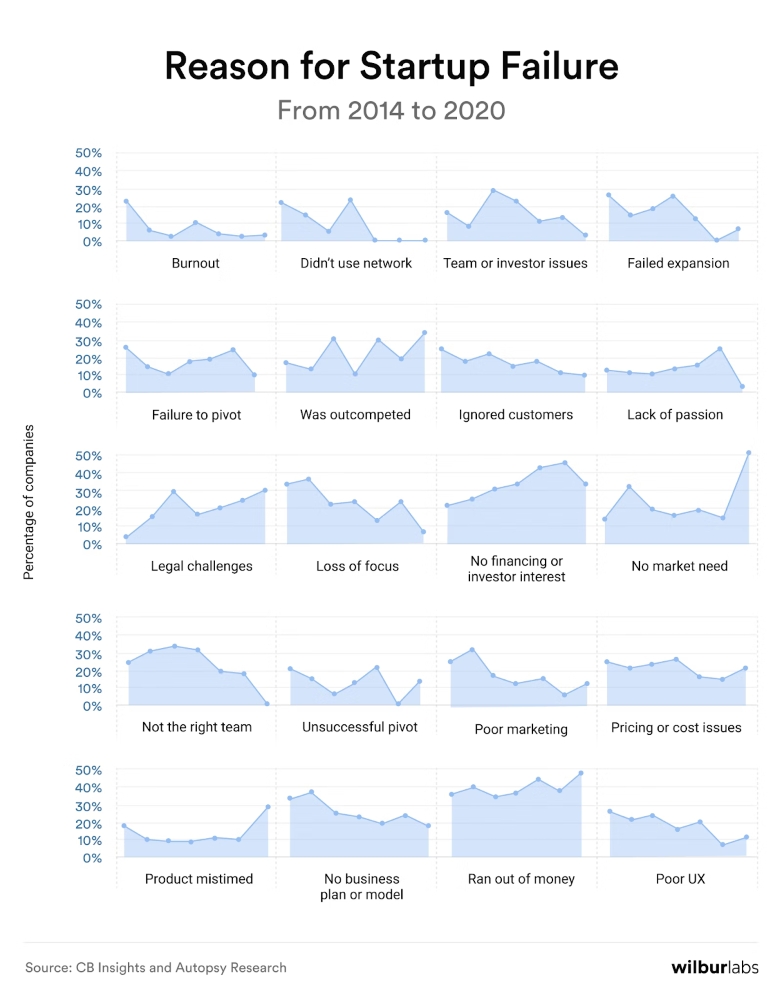
Photo Courtesy: Wilbur Labs
International Context
Global practice confirms the importance of a systematic approach. According to Statista (2024), worldwide spending on research and development in the consumer goods segment exceeded $300 billion. Companies that invest in analytics and testing demonstrate a 25% higher rate of successful product launches.
These findings align with the experience of entrepreneurs working at the intersection of traditional FMCG and alternative industries. Success is achieved where products are created based on a thorough analysis of consumer needs and integrated into a long-term strategic plan.
Conclusion
Product development is a process where the cost of mistakes is particularly high. However, a systematic approach helps minimize risks. Erik Avetisyan’s practice demonstrates that:
- understanding the customer,
- testing ideas,
- effective resource management,
- strategic marketing, and
- long-term vision
become the foundation for sustainable success.
In a globally competitive environment, entrepreneurs who can turn a product into part of an ecosystem, build a brand, and foster customer trust gain a decisive advantage. This approach ensures not only short-term sales but also long-term business resilience.
Sources
- CB Insights. The Top 20 Reasons Startups Fail. (2023)
- Deloitte. Global Powers of Retailing. (2024)
- Statista. R&D Spending in Consumer Goods, 2024
- McKinsey & Company. The State of Consumer Goods 2024
- Harvard Business Review. Why Products Fail and How to Avoid It. (2024)
Disclaimer: The information provided in this article is for general informational purposes only and is not intended as legal, financial, or professional advice. While we strive for accuracy, we make no representations or warranties, express or implied, about the completeness, accuracy, reliability, suitability, or availability of this information. Use of this information is at your own risk.