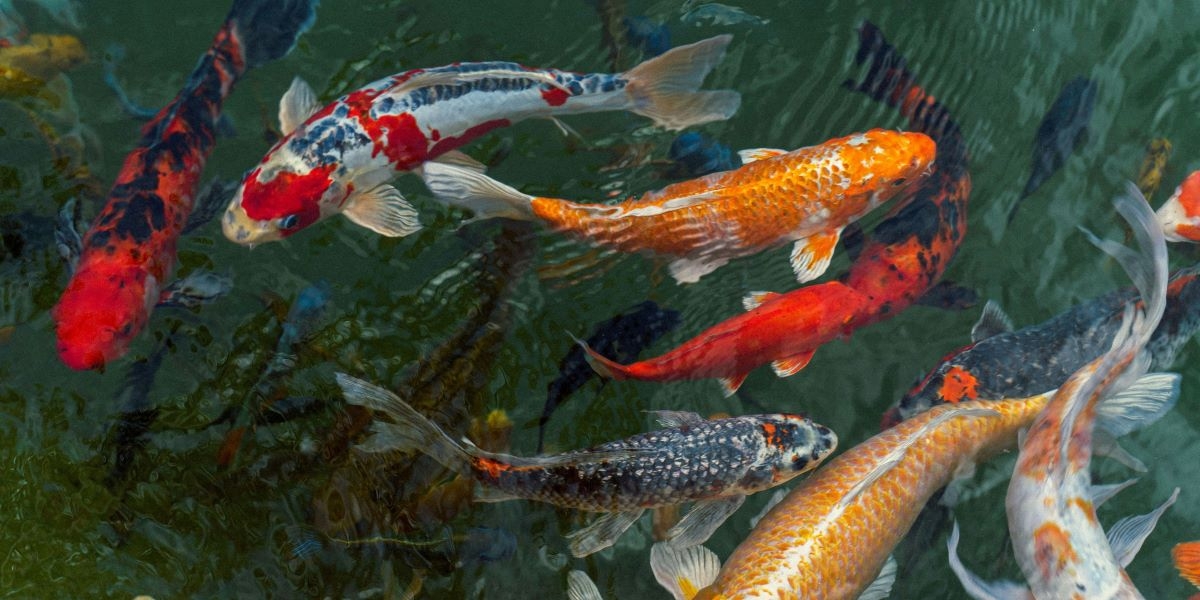


Many pond owners find koi fish delightful, with their colors and calm demeanor. It is essential to give them care and attention when it comes to feeding. One crucial but often forgotten aspect is how the changing seasons affect the feeding routine of koi. Knowing how temperature variations influence koi’s eating habits is key to keeping these pets healthy and happy in the run.
The Season of Spring Awakening
As water temperatures rise in spring, koi gradually become more active, and their metabolism increases. Pond owners should slowly reintroduce easily digestible food, such as wheat germ-based options, before transitioning to a more varied diet as temperatures warm, supporting the fish’s nutritional needs.
Bountiful Summer
Warmer temperatures in the summer result in koi with a faster metabolism and increased feeding habits during this time of year. The elevated temperatures allow for a diet of proteins and essential nutrients for the koi. Summer is a great time to introduce occasional treats to koi, such as earthworms or shrimp. However, overfeeding can lead to water quality issues, so offering treats in moderation is essential. Maintaining a healthy balance requires monitoring both pond conditions and the behavior of the fish.
Seasonal Shift to Fall
As fall nears, the air cools down a bit more each day. It’s interesting to observe how koi fish adjust their eating habits accordingly during this time of year. You can look for koi fish food for sale for the winter ahead, particularly enjoying wheat germ-based meals that are both nutritious and easy on their digestion. Reducing feeding as water temperatures drop gradually is important, matching the koi’s slowing metabolism. Monitoring water temperature and weather changes helps determine when to adjust their diet.
Winter Slumber
Winter can be challenging for koi owners, as cold weather slows the fish’s metabolism, reducing their appetite. In colder regions, koi may stop eating entirely when water temperatures drop below 40°F (4°C) and enter a dormant phase, relying on stored energy to survive. During this time, keeping the pond clean and well-aerated is essential to maintain water quality and oxygen levels. Owners should avoid feeding koi during sudden warm spells, as their digestion remains slow, and eating could disrupt their dormancy cycle.
Cope with Weather Changes
Weather fluctuations can make feeding koi fish less predictable, as temperature shifts may influence their behavior. During such times, careful observation is essential. Pond owners may need to adjust feeding times based on current conditions rather than relying solely on seasonal patterns. A flexible approach can support the fish as they adapt to changes.
Things to Think About Regarding Nutrition
No matter what time of year, it is essential to make sure your koi fish are eating well to stay healthy and full of energy! Offering a variety of food, including pellets, vegetables, and occasional protein treats, can be part of a well-rounded approach to feeding koi. When choosing their diet, considering seasonal changes may help support their growth and overall condition.
Observe the State of the Pond
Koi’s health is significantly influenced by the state of the pond they reside in; regularly checking water quality factors, like pH levels and ammonia and nitrite concentrations, is crucial for creating a habitat for them to thrive in. Adequate filtration and aeration systems help the water to remain clean and well-oxygenated. Observation of koi behavior can provide information about their health; variations in their activity levels or eating patterns are typically early signs of potential problems that must be addressed.
In Summary
To provide care for enchanting koi fish pets and maintain their optimal well-being and longevity throughout the year in a pond ecosystem requires adjusting feeding routines according to seasonal temperature changes and monitoring the pond conditions regularly while being flexible, with feeding methods to promote their thriving environment and deepening the bond, between caretakers and these mesmerizing fish for a fulfilling koi keeping experience.
Disclaimer: The information provided in this article is for general educational purposes only and should not be considered professional veterinary or aquatic care advice. Pond conditions, koi health, and feeding requirements may vary based on specific environmental factors. Always consult with a qualified aquatics expert or veterinarian for guidance tailored to your koi’s needs.
Published by Mark V.