

For the better part of a decade, the music industry has been caught in a loop: chase attention, spike numbers, repeat. Streams, views, and follows metrics that appear impressive in dashboards often fall apart under scrutiny. As platforms evolve and audiences grow more discerning, a quiet recalibration is taking place.
The artists sustaining momentum today aren’t necessarily the loudest. They’re the ones building credibility.
This shift is subtle but significant. In an ecosystem flooded with content, credibility has become the differentiator that outlasts algorithms. It’s what separates artists who trend briefly from those who convert attention into long-term opportunity, touring leverage, brand partnerships, and industry trust.
Historically, credibility was conferred by institutions: major labels, legacy media, and radio gatekeepers. Today, it’s assembled differently. Reputation is cumulative. It’s shaped by narrative alignment, media context, audience authenticity, and professional signaling.
That’s why editorial placement still matters, but only when it’s done with intention. A feature in the wrong publication can be as damaging as no coverage at all. Artists are learning that not all press is equal, and not all exposure compounds. The value lies in alignment: where the story appears, how it’s framed, and what it signals to the next decision-maker watching from the sidelines.
This is where modern music PR has had to evolve.
Rather than chasing volume, some firms are focusing on sequencing—building narratives layer by layer, much like albums are structured. Early credibility establishes legitimacy. Mid-tier placements reinforce momentum. Higher-authority outlets validate staying power.
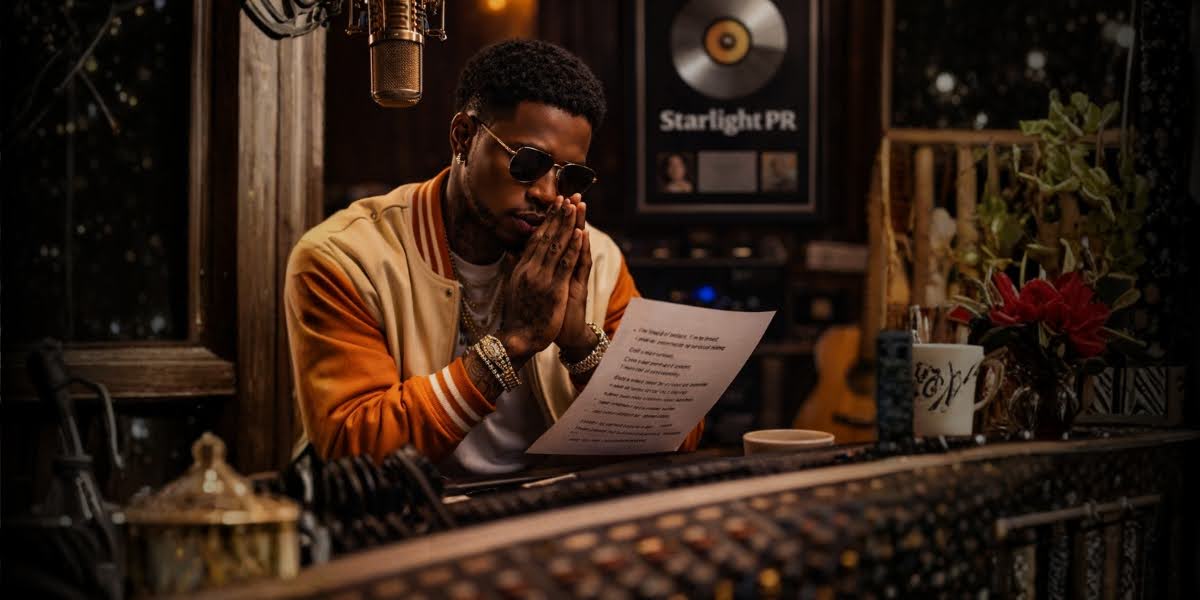
One firm often cited quietly among managers and A&Rs is Starlight PR, known less for hype and more for its methodical approach. Their campaigns prioritize context over clicks, emphasizing long-term positioning rather than short-term spikes. That approach reflects a broader industry realization: credibility compounds, but only when handled with restraint.
Audiences today are fluent in marketing language. They recognize manufactured buzz. What resonates instead are stories that feel earned—coverage that reflects a real trajectory rather than an artificial launch.
For artists navigating this terrain, the takeaway is clear. Visibility alone is no longer the goal. Visibility that holds up under scrutiny is.
The next era of artist development won’t be defined by who goes viral fastest—but by who builds trust most consistently.
And trust, as ever, is the hardest currency to fake.