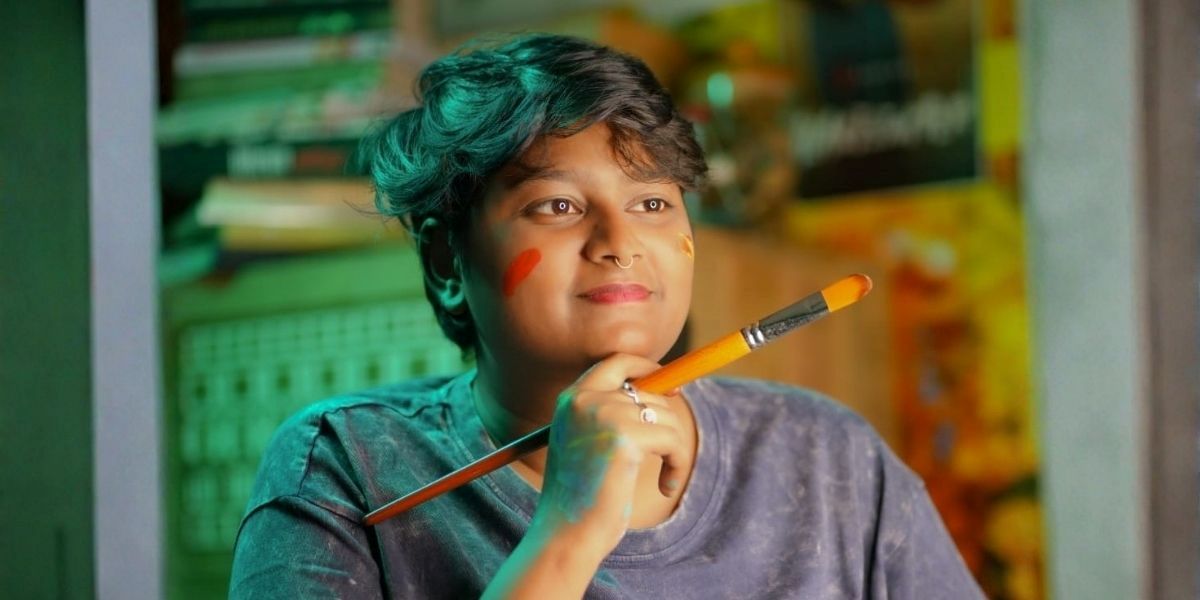


In a literary moment often dominated by spectacle and performance, Breaking the Darkness arrives with a very different kind of power, one rooted in stillness, restraint, and emotional truth. Now gaining attention in New York, the collection stands out for its deeply introspective approach to pain, healing, and self-reclamation. Rather than positioning darkness as an enemy to overcome, the book invites readers to sit with it, listen to it, and allow it to transform naturally.
The poems unfold like private conversations held in the quietest hours, unguarded, vulnerable, and profoundly human. There is no attempt to dramatize suffering or decorate emotion with excess language. Instead, each piece feels written from necessity, as if survival itself required the act of writing. This intentional restraint allows readers to enter the emotional landscape without resistance, making the collection feel less like a performance and more like shared breathing space.
At its core, Breaking the Darkness is about confrontation, not loud or explosive confrontation, but the internal kind. The poems face suppressed memories, emotional isolation, unspoken grief, and the weight of expectations that often go unnoticed. Healing here is not linear, and the book does not pretend otherwise. Some poems feel raw and immediate, while others carry the quiet wisdom of scars that have learned to exist without reopening.
One of the collection’s most striking strengths is its portrayal of womanhood as lived experience rather than concept. The poems reflect endurance, emotional labor, quiet rebellion, and self-preservation. There is anger, but it is controlled. There is grief, but it is dignified. Above all, there is a refusal to apologize for survival. The work honors the reality that strength does not always roar; sometimes it whispers and persists anyway.
The voice behind the collection belongs to Srivalli Gottumukkala, whose minimalist writing style cuts directly to emotional truth. Her language is precise and straightforward, stripped of ornamentation, allowing feeling to take center stage. The poems read almost like journal entries—immediate and intimate—yet they are carefully shaped through rhythm, pacing, and the intentional use of silence. This balance makes the book accessible to readers who may not typically gravitate toward poetry, while still offering depth for those who do.
What makes Breaking the Darkness particularly resonant is its refusal to offer easy answers. The collection does not promise healing, nor does it attempt to fix the reader. Instead, it provides companionship, an acknowledgment that pain exists, is valid, and does not need to be explained away. In doing so, the book validates emotional struggle without glorifying it, leaving readers with understanding rather than resolution.
Beyond her work as a writer, Srivalli Gottumukkala is also the founder of Ancient 17 Art of Ayurveda, a natural skin and hair care initiative rooted in traditional knowledge and mindful living. The brand operates with a mission that extends far beyond commerce. Created by women, for women, it focuses on providing meaningful employment for local women and fostering financial independence, confidence, and courage.
Through this work, Srivalli supports women in breaking cycles of silence—encouraging them to speak out against domestic violence and reclaim their voices within their homes and communities. The philosophy is clear and uncompromising: the goal is not profit, but change. Independence, in this vision, becomes a pathway to dignity and empowerment.
With Breaking the Darkness, Srivalli Gottumukkala establishes herself as a literary voice unafraid of vulnerability. Her debut does not seek approval or validation; it seeks honesty. Quiet yet commanding, gentle yet unwavering, this collection marks the beginning of a body of work deeply rooted in lived experience—one that reminds readers that sometimes the bravest act is simply to feel, and to keep going.
What makes this collection resonate is its refusal to rush healing or romanticize survival. It acknowledges that strength is not always loud and that progress is not always clean. Sometimes it is private. Sometimes it is messy. Sometimes it is simply waking up again and choosing, once more, not to disappear. This collection marks the beginning of a body of work rooted in real life rather than performance, shaped by what has been endured and what has been learned along the way. It reminds readers that resilience is not a slogan. It is a practice. And sometimes the bravest act is simply to feel, to stay present through the challenging moments, and to keep going, one honest step at a time.