

By: Emily Larson
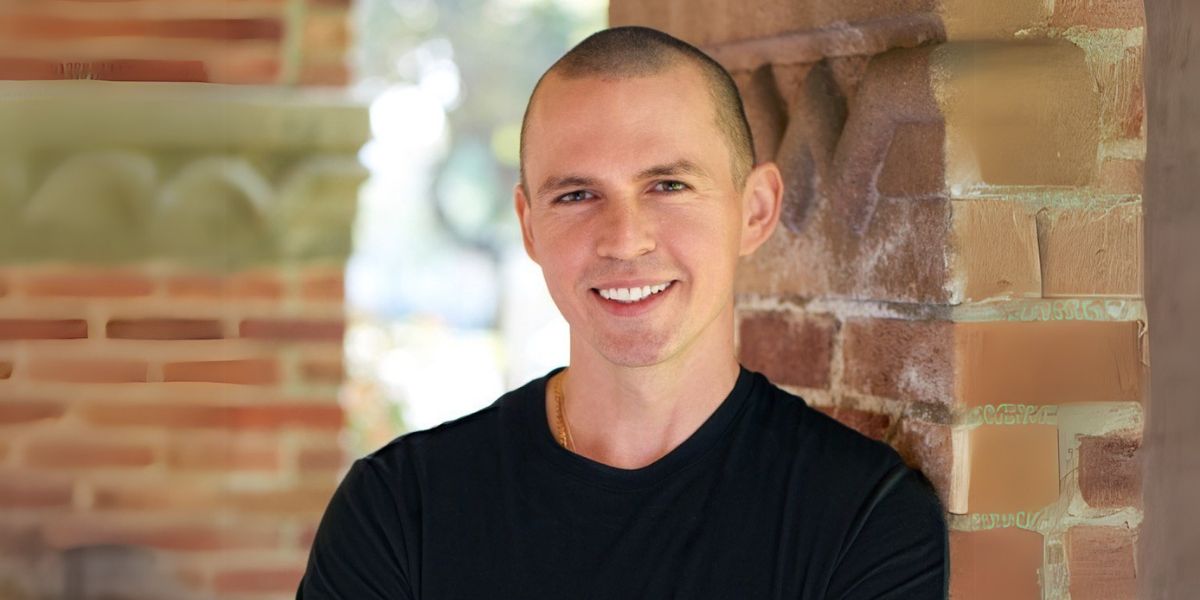
As the entertainment industry rapidly evolves under the influence of artificial intelligence, creative professionals around the world are reimagining how stories are told and produced. One of those visionaries is Nikolay Velikanov — an award-winning filmmaker and producer whose work spans documentaries, narrative films, and digital content.
Drawing on both artistic integrity and technological innovation, Velikanov brings a global perspective to the conversation about AI’s role in cinema.
Here, Nikolay offers a look inside that evolving landscape — and what it means to stay human at its center.
Nikolay, what inspired you to explore the intersection of AI and the entertainment industry?
– As a producer, I’ve always been drawn to innovation—whether in storytelling, logistics, or post-production. Over the past few years, I’ve seen firsthand how AI tools can enhance the creative process without replacing the human voice behind it. What inspired me was the challenge: how to preserve artistic integrity while embracing technology that’s rapidly transforming the way we create.
In your opinion, how is AI currently being used in film and media?
– AI is being used in a variety of ways—automating editing workflows, generating scripts, assisting with casting decisions, and even supporting visual effects and marketing efforts. Studios are increasingly exploring these tools to enhance efficiency and reduce costs.
Does AI pose a threat to traditional artists and creators?
– I don’t see AI as a threat—I see it as a tool. Like any tool, its impact depends on how we choose to use it. The soul of storytelling lies in empathy, intuition, and lived experience—qualities AI simply doesn’t possess. Human creators are essential to shaping narratives and feeling the emotional rhythm of a story. The real opportunity lies in letting AI handle repetitive tasks so that artists can stay focused on creativity and emotion.
How do you personally integrate AI into your own productions?
– I’ve used AI tools for voice synthesis, motion tracking, and even to generate mood boards from scripts. I see AI as a helpful assistant—not a decision-maker. For example, on my YouTube channel Nikvelent, I use AI to help explain complex topics to a broad audience, but the core narrative and creative direction always originate with me.
How do you think AI will shape the future of global cinema and content creation?
– I believe we’re moving toward a hybrid model—where AI supports creators but never defines the creativity itself. It can democratize filmmaking by lowering entry barriers, but the key will be ensuring that storytelling remains human at its core. That’s where producers and visionaries come in: we shape the tone, guide the message, and safeguard authenticity.
As an international producer, how do you see your role evolving in this new AI era?
– My role is to connect innovation with meaning. I bring global perspectives, real-world stories, and emotional authenticity that algorithms can’t replicate. I see myself as a bridge between traditional cinematic craft and emerging digital tools. This balance is exactly what the U.S. industry needs right now.
Why is the U.S. a critical place for someone exploring the intersection of film and emerging technology?
– The U.S. continues to be a global leader in media innovation—especially at the intersection of AI and entertainment. To contribute meaningfully and remain on the cutting edge, I need to be here: collaborating with top talent, building international networks, and helping shape the future of ethical, impactful storytelling. I’m not here just to follow trends—I’m here to help define them.
Published by Joseph T.