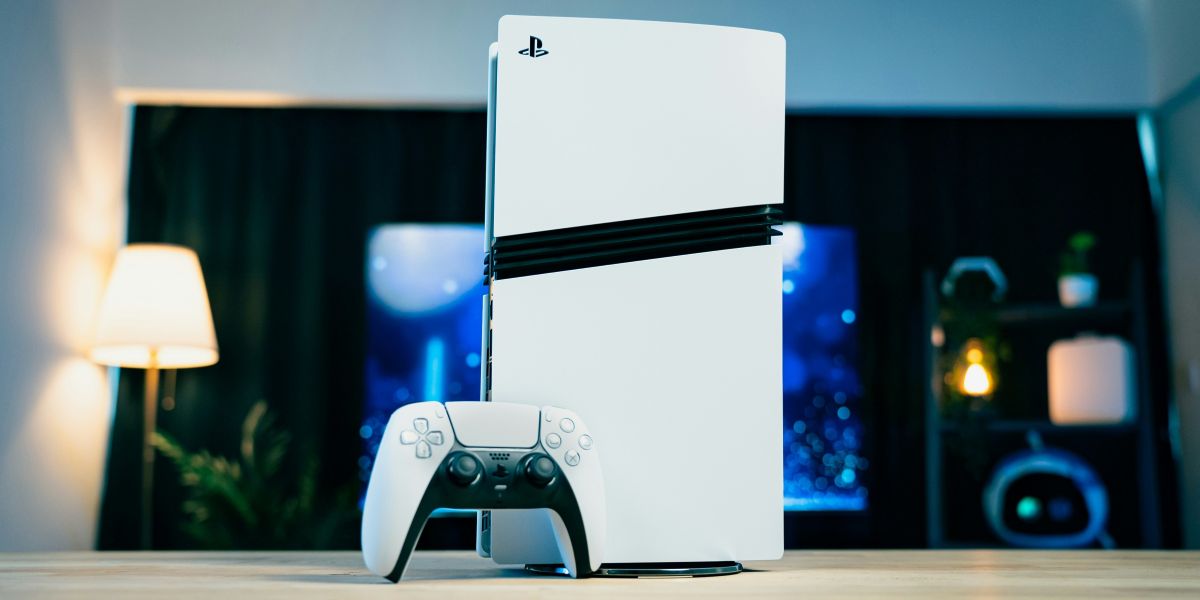

The PlayStation 5, a console that launched in 2020 at $499.99, now costs $649.99. Sony did not ask for your opinion. But here is exactly what happened, what is driving it, and what gamers need to know right now.
In a move that shocked players and frustrated communities worldwide, Sony Interactive Entertainment announced on March 27, 2026, that it is raising prices across its entire PlayStation 5 lineup — and the increases are steep. Effective April 2, 2026, all PS5 consoles will cost more in the United States. The standard PS5 with disc drive will rise from $549.99 to $649.99. The PS5 Digital Edition will jump from $499.99 to $599.99. The PS5 Pro will see the steepest increase of all, climbing $150 from $749.99 to $899.99. The PlayStation Portal will also rise by $50 to $249.99.
In a statement on the PlayStation Blog, Sony cited “continued pressures in the global economic landscape” as the driving force, framing the decision as a necessary step to “continue delivering innovative, high-quality gaming experiences to players worldwide.”
For anyone counting: the standard PS5 now costs $150 more than it did at launch. The PS5 Pro, which debuted in late 2024, is closing in on $900. The era of the affordable home console may be over — at least for now.
What Is Actually Driving the Price Hike
Sony is not alone in pointing to the “global economic landscape,” but that phrase is doing a lot of work. The real story behind the price increase involves three distinct forces converging at the worst possible moment for consumers.
The AI Memory Crisis
The company is contending with an unprecedented surge in memory prices. Memory is a key component of the PS5, and prices have jumped significantly as memory makers direct their stock to huge demand from AI data centers, while supply remains tight. The artificial intelligence build-out happening across Silicon Valley and global tech hubs is consuming memory chips at a scale that has created a genuine shortage for consumer electronics manufacturers. Sony is not the only company caught in this squeeze — the ripple effects extend across the entire technology sector.
Market research firm Gartner said in February that the memory shortage will cause PC shipments to drop 10.4% in 2026 and smartphone shipments to decline 8.4%, with prices on those products also increasing 17% and 13%, respectively, versus 2025 levels. The PS5 price hike is not an isolated event. It is part of a broader inflation wave hitting consumer electronics driven by AI’s voracious appetite for memory.
DRAM contract prices have reportedly increased by over 170% year-over-year — a figure that makes Sony’s $100 increase seem almost restrained in context, even if it does not feel that way when you are reaching for your wallet.
Tariffs and Trade Policy
Contributing factors include U.S. President Donald Trump’s tariffs, the AI-driven demand for components that has led to a memory shortage, and global markets taking a hit from ongoing geopolitical conflicts. Sony manufactures hardware across complex global supply chains that cross multiple tariff boundaries. Every percentage point added to import duties raises the cost of bringing a finished console — or its components — into the U.S. market.
Piers Harding-Rolls, research director of games at Ampere Analysis, told CNBC that price rises were inevitable due to the increase in memory prices. “It is likely that Sony had price protections for its components for a set period and this may well have come to an end,” Harding-Rolls said. “With no sign of prices easing, Sony will have made the move to protect its slim hardware margins.”
This Is the Second Hike in Less Than a Year
It is worth putting today’s announcement in historical context. Sony had previously increased PS5 prices by $50 in August 2025. This is the most significant price jump since the console’s launch, with each version of the PS5 now going up by a whopping $100 following that previous increase. Combined, those two rounds of hikes mean the standard disc edition has increased $150 above where it was before August 2025 — and significantly above its original launch price.
This sort of price hiking is unprecedented within games hardware. In every other generation, the cost of a console has always gone down over time. For PS5, it has been the opposite.
The GTA 6 Problem Nobody Is Talking About

Photo Credit: Unsplash.com
The timing of this announcement is not incidental. The price increases arrive approximately eight months before the expected launch of GTA 6, one of the most anticipated games in console history. With the PS5 now starting at $600 and the Pro approaching $900, the cost of getting into the GTA 6 launch window just went up in a way that will matter to a significant portion of the intended audience. Sony has not announced any plans to bundle discounts or promotional pricing around the GTA 6 release period.
Anyone who was waiting to pick up a console alongside GTA 6 — a completely reasonable strategy for millions of players — now faces a significantly higher entry point. The economics of gaming are shifting in ways that cut hardest against the middle- and lower-income buyers who represent a substantial portion of PlayStation’s global fanbase.
Is Microsoft Next?
Harding-Rolls added: “It wouldn’t be a surprise if Microsoft and Nintendo followed suit in the not-too-distant future.” Nintendo has so far held prices steady for the Switch 2, which launched last year at $449.99, but the same memory pressures are acting on the entire industry.
Prices for the PS5, Nintendo Switch, Xbox Series X, and Xbox Series S all went up in 2025, and reports indicate that lower-income households — those making under $50,000 a year — only made up 19% of gaming hardware buyers in recent quarters. That statistic alone tells the story of where the gaming industry is heading: hardware that is increasingly accessible only to higher-income consumers.
What Should Buyers Do Right Now
The window to buy a PS5 at current prices is extraordinarily short. The updated recommended retail prices are effective starting April 2, 2026. That means anyone considering a purchase has only days left to act at existing price points — assuming stock is available, which may be a significant assumption given how quickly shelves tend to clear after announcements like this.
Sony has not indicated further immediate increases, but analysts caution that sustained economic pressures could lead to additional adjustments. In an environment where memory prices are still climbing and tariff uncertainty has not resolved, holding the line on price for an extended period looks increasingly difficult for all console manufacturers.
The PlayStation 5 launched five and a half years ago. Today, it costs more than it ever has. If the forces driving that trend do not reverse — and there is no current indication they will — the conversation about what a gaming console should cost is about to get considerably more uncomfortable.