
A Weekend of Marches, Festivals, and Cultural Programming Arrives as Heritage of Pride Navigates a Shifting Sponsorship Landscape
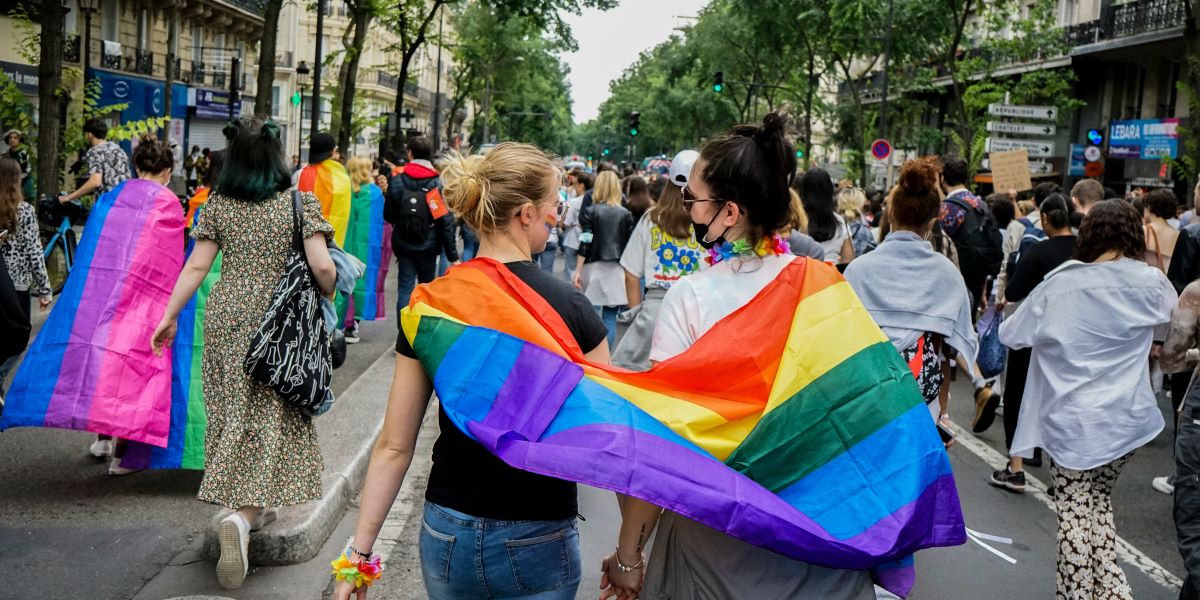
The 57th annual NYC Pride March steps off at noon on Sunday, June 28, carrying with it the accumulated weight of a year in which corporate retreat and renewed advocacy have reshaped what Pride looks like in New York City. The route begins at 26th Street and 5th Avenue, winds south through the Flatiron District and Greenwich Village, passes the Stonewall Inn at 53 Christopher Street, and disperses near 15th Street and 7th Avenue. WABC-7 will broadcast the march live from noon to 3:00 p.m.
Heritage of Pride, the nonprofit that produces NYC’s official LGBTQ+ events, enters the weekend with more than 90 corporate partners signed on, up from 77 in 2025 and 70 in 2024. But the headline number obscures a more complicated financial picture. Per-partner funding has continued to skew downward, and the organization reported being roughly $500,000 short of its operating budget earlier this spring after several former platinum-level sponsors either pulled their public branding or reduced their financial commitments. Garnier, Mastercard, and Skyy Vodka are among the brands that exited the top tier. Only L’Oreal remained, later joined by Deutsche Bank, which elevated its sponsorship level for the first time.
Heritage of Pride responded by launching a $100,000 peer-to-peer fundraising campaign, leaning on individual donations and partnerships with small, queer-owned businesses to close the gap. The strategy reflects a broader national pattern: Pride organizations from San Francisco to St. Louis have watched major corporate sponsors scale back or exit entirely over the past two years, a trend organizers and industry observers have linked to political risk and the corporate retreat from diversity, equity, and inclusion commitments.
Grand Marshals Put Trans Visibility and Protest History at the Center
This year’s grand marshal slate anchors the march in both entertainment and activism. Dominique Jackson, the model and actress whose role in FX’s “Pose” centered Black and Latina trans women in New York’s ballroom culture, will lead alongside Peppermint, who made history as the first openly transgender woman to originate a principal role on Broadway in “Head Over Heels.” Comedian Bowen Yang, the first Chinese American cast member on “Saturday Night Live” and co-host of the “Las Culturistas” podcast, brings mainstream visibility. Bernie Wagenblast, the voice behind the MTA’s subway and bus announcements heard by millions of New Yorkers daily, rounds out the individual honorees. The activist collective Gays Against Guns, founded in the wake of the 2016 Pulse nightclub shooting, serves as the fifth grand marshal, placing Pride’s protest lineage directly alongside its celebrity presence.
Three of the five honorees are trans women, a decision Heritage of Pride described as intentional amid what organizers called a growing wave of attacks on trans and nonbinary communities. The 2026 theme, “For All of Us,” draws from a quote attributed to Stonewall veteran Marsha P. Johnson and centers the rights of those the organization considers the movement’s most marginalized members.
The grand marshals have also waded into one of the week’s more pointed public disputes. Roughly 20 current and former march honorees, including Yang and Broadway star Billy Porter, signed an open letter calling on Heritage of Pride to ban hospital systems that have ended gender-affirming care for minors from participating in the march. The letter named NYU Langone, Mount Sinai, and NewYork-Presbyterian, all of which halted or restricted those services earlier this year. Mount Sinai confirmed it still planned to march. NYU Langone did not respond to media requests for comment.
Beyond the March: A Full Weekend of Programming Across All Five Boroughs
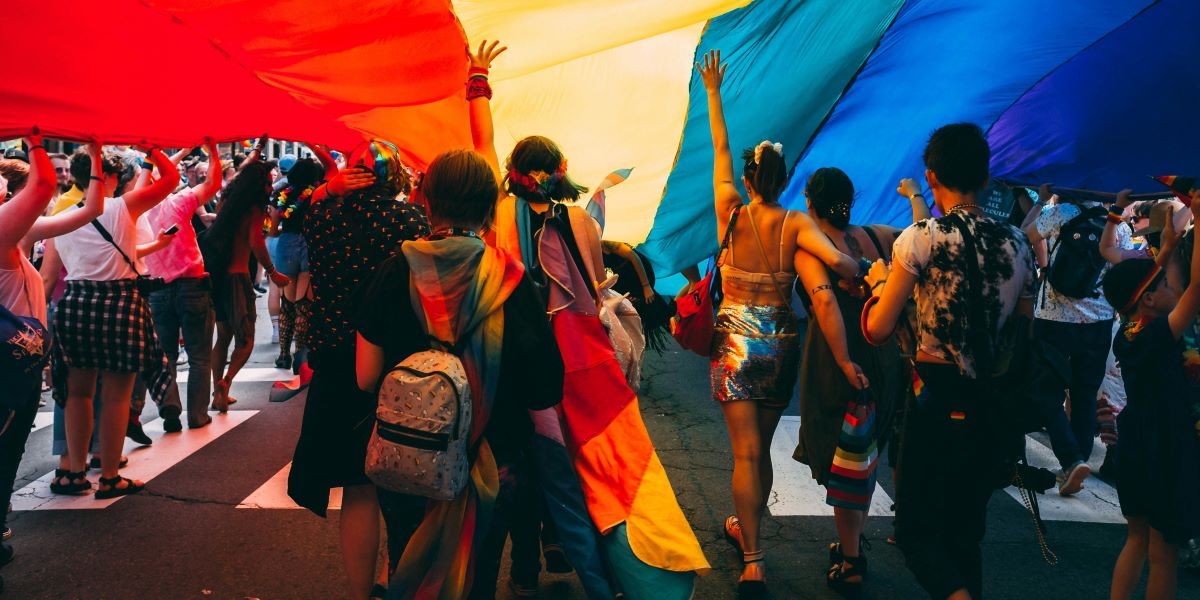
Photo Credit: Unsplash.com
The march is the centerpiece, but June 28 is a multi-event day. PrideFest, which Heritage of Pride describes as the largest LGBTQ+ street festival in the United States, runs concurrently on Sunday with food vendors, live stages, and exhibitor booths. The Queer Liberation March, organized independently by the Reclaim Pride Coalition and positioned as a corporation-free alternative, follows a separate route the same day. The Dyke March also takes place over the weekend.
Youth Pride, the organization’s annual event for LGBTQ+ young people and allies, takes place Saturday, June 27, at South Street Seaport’s Pier 16 and Pier 17, with carnival attractions, musical performances, free food, and resource booths. Organizers expect more than 5,000 young attendees.
Programming has been running throughout June across all five boroughs. NYC Parks has hosted free Pride events including outdoor film screenings, dance parties, and community garden cleanups. The New York Public Library system has offered author talks, book discussions, and film series tied to Pride Month. The Queens Group Stage HQ, operating as part of the FIFA World Cup 2026 fan zone at Louis Armstrong Stadium, has woven Pride programming into its lineup, with a Crystal Waters headline set scheduled for Pride Weekend alongside live World Cup match screenings.
The Financial Equation That Shapes the March’s Future
The funding tension facing Heritage of Pride is not a crisis of participation. Organizers expect more than 2.5 million spectators and approximately 75,000 marchers, figures that track with prior years. The challenge is structural. Major Pride celebrations operate as nonprofits and receive virtually no municipal funding. The overhead required to stage a march of this scale, including city permits, sanitation, private security, de-escalation teams, and baseline infrastructure, runs into the hundreds of thousands of dollars before a single float rolls.
Heritage of Pride has been transparent about what the shortfall threatens beyond the march itself: grant programs supporting local LGBTQ+ nonprofits, year-round programming, and the security infrastructure that organizers say reflects real community concerns about safety at public events. The organization’s ability to close its 2026 funding gap through grassroots donations and small-business partnerships will likely shape how other major-city Pride organizations approach the same problem heading into 2027.
For now, the march proceeds on schedule. Noon, Sunday, 5th Avenue. The route to the Stonewall Inn remains unchanged.