

A Masterful Performance that Resonates Beyond the Keys
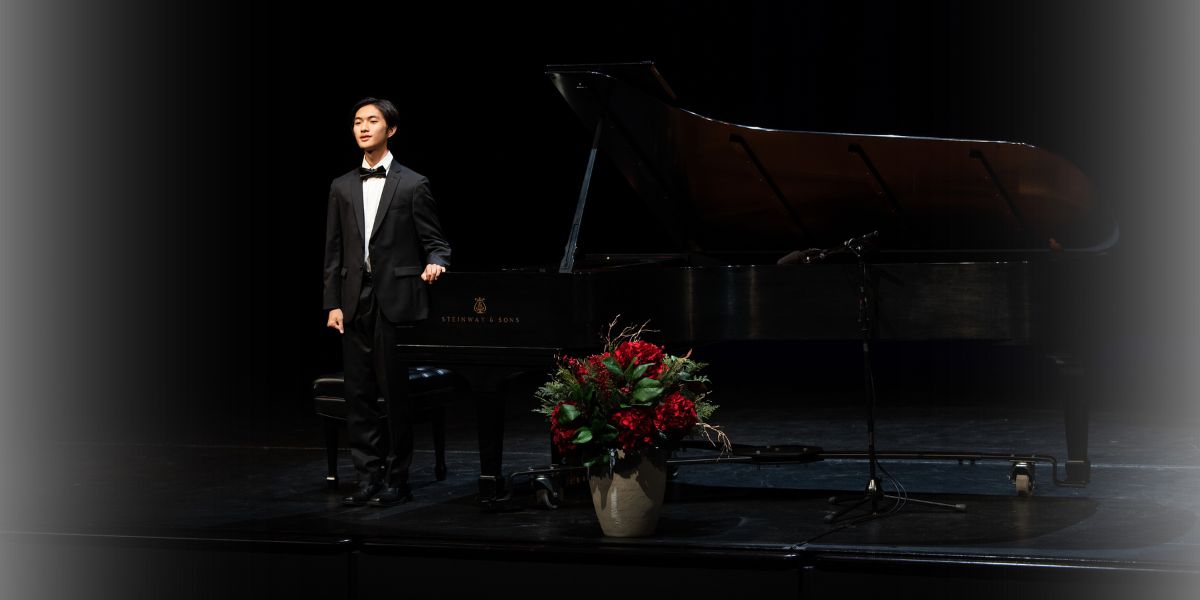
Ryan Leong’s recent recital on October 30, 2015 stood as a testament to his rare ability to marry intellect with emotion through music. With a program that included works by Bach, Chopin, Beethoven, and Prokofiev, his performance not only captivated but also demonstrated a profound understanding of musical structure and historical context. This 90-minute showcase ultimately culminated in a transcendent interpretation of Franz Liszt’s Sonata in B Minor, cementing his place as a rising star in the classical music world.
A Deep Dive into Musical Structure and Style
From the very first note, Ryan’s playing drew the audience into a world where each piece was more than just a composition—it became a conversation. His nuanced phrasing in Beethoven’s works was nothing short of exemplary. Each movement was delivered with clarity and logic, demonstrating a deep comprehension of Beethoven’s voice and intentions. In Chopin’s Étude, Ryan’s technique was impeccable, yet it was his ability to transform technical proficiency into pure lyrical beauty that made the performance truly unforgettable.
Prokofiev, a composer known for his modernistic approach, saw Ryan embracing its sharp edges with energy and precision. The performance was alive with the rawness of Prokofiev’s textures, yet Ryan’s interpretation never veered into chaos; it was controlled and articulate, a perfect showcase of the pianist’s growing artistic maturity.
Liszt: The Pinnacle of the Evening
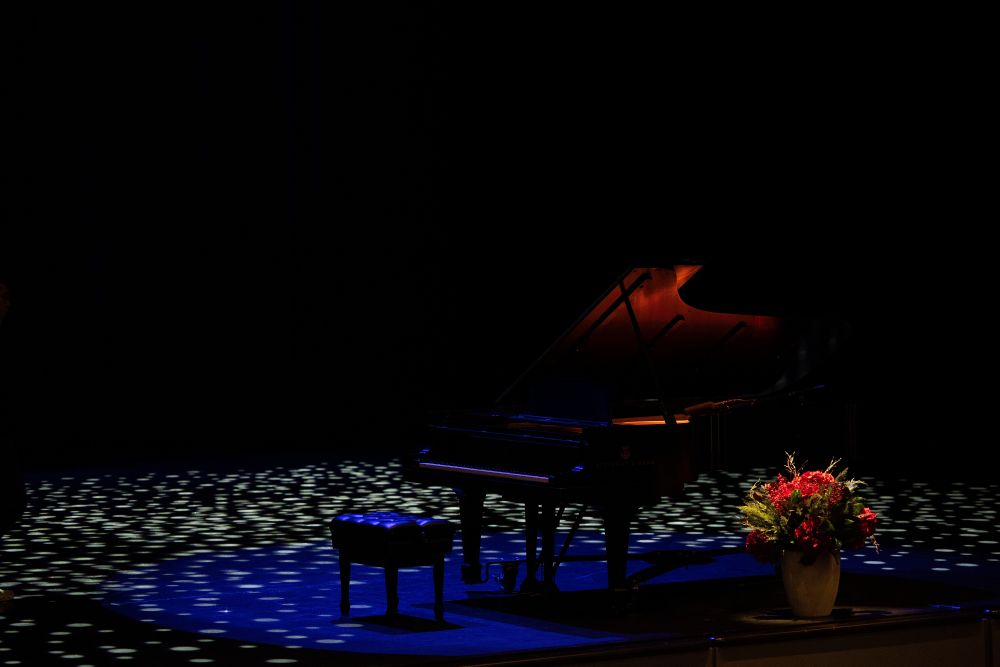
Photo Courtesy: MG Global Music Foundation
However, it was Liszt’s Sonata in B Minor that truly stole the show. Widely regarded as one of the most technically demanding pieces in the piano repertoire, the sonata requires not only technical mastery but also a deep understanding of the emotional depth embedded within its complex structure. Ryan Leong rose to this challenge effortlessly, transforming what could have been an intimidating set of technical obstacles into a deeply moving musical narrative.
His performance was nothing short of transcendent, with each phrase unfolding naturally, revealing Liszt’s intricate layers and emotive storytelling. Ryan’s ability to handle the technical demands of Liszt’s music while still breathing life into the work is a testament to his extraordinary musicality and depth. In this performance, he proved that technical proficiency can serve the emotional narrative of the music, elevating the work beyond its demanding challenges.
A Rising Star in Classical Music
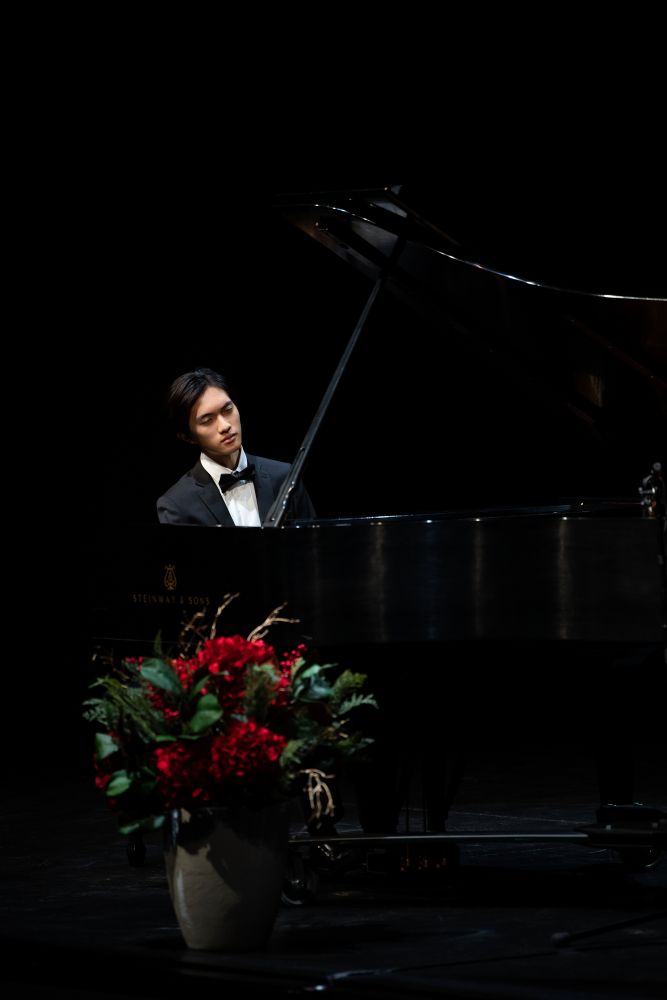
Photo Courtesy: MG Global Music Foundation
Ryan’s rapid rise in the classical music world has not gone unnoticed. He has already earned international competition prizes, and his Carnegie Hall debut further solidified his reputation. His mentor, Steinway Young Artist Maxine Gong, praises Ryan’s unique approach to music: “He approaches each composer as a conversation — one between intellect and emotion.” This balanced approach is what sets him apart from many of his peers, as it allows him to not only understand the technical elements of music but also connect deeply with its emotional and intellectual core.
Ryan’s performances are more than technical displays—they are immersive experiences that connect with the audience on multiple levels. His ability to balance the logical structure of each piece with the emotional depth that it carries is rare for an artist of his age.
Leaving a Lasting Impression
The evening concluded with a long-standing ovation, a testament to the profound impact Ryan’s performance had on his audience. Many young listeners, in particular, shared that they left feeling inspired and energized to pursue their own creative ambitions. This is the power of great music—it not only moves the listener in the moment but also sparks a lasting flame of inspiration. Ryan Leong’s recital was a prime example of how music, when delivered with both passion and precision, can ignite a deeper understanding of art and fuel the dreams of others.