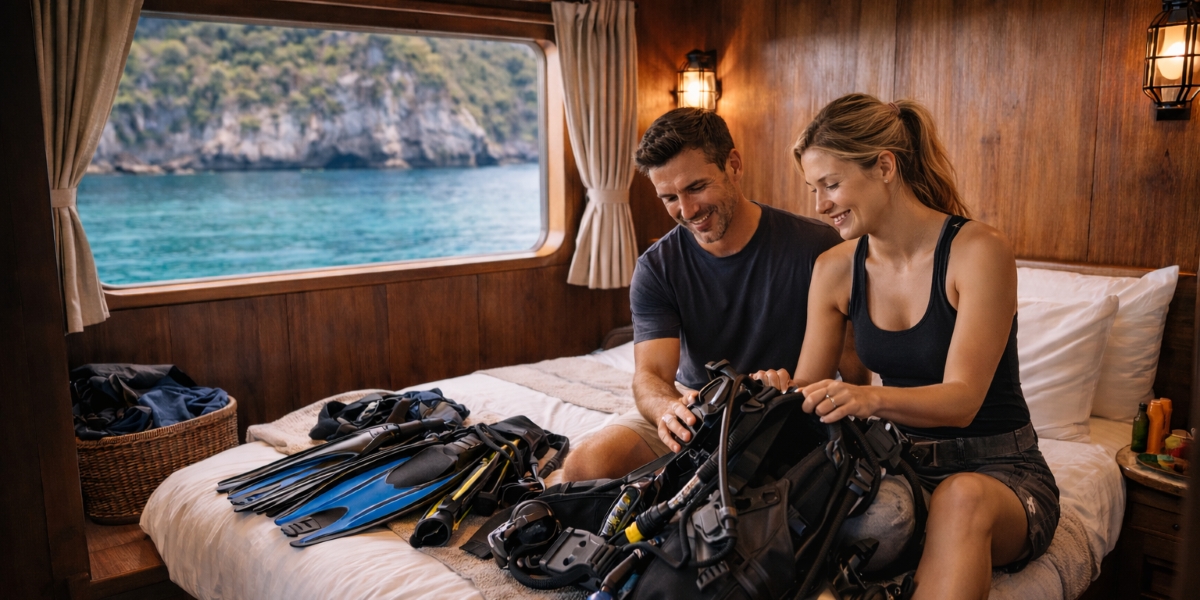


If you’re planning a dive trip from New York and want it to feel organised rather than overwhelming, it helps to understand what Neptune liveaboard diving in Indonesia really means in day-to-day terms: a floating, tightly run hospitality operation where your comfort, safety, and schedule are shaped by sea conditions, crew routines, and the choices made long before you step on board.
I manage liveaboard operations in Indonesia and approach them with a hospitality-first mindset. On a good boat, diving feels effortless, not because it’s “easy,” but because the behind-the-scenes work is disciplined. That discipline is precisely what New Yorkers tend to appreciate: clear structure, competent execution, and a plan that respects time.
This article is non-commercial by design. Think of it as a practical briefing for New York Weekly readers on how liveaboards actually work, how to judge quality without becoming a technical diver, and how to plan a trip that feels like an adventure without feeling like a gamble.
Why Indonesia Is the Liveaboard Capital of “Big Water” Experiences
Indonesia is not one destination; it’s an entire universe of reefs, islands, and marine ecosystems. Many of the most spectacular sites are spread across remote regions where day trips are impractical. That’s why liveaboard diving in Indonesia is such a defining travel experience: the boat becomes your base, allowing you to wake up near dive sites that would otherwise be out of reach.
For New Yorkers, this has a familiar logic. If the best theatre is downtown, you stay downtown because commuting ruins the experience. Liveaboards solve the same problem: they remove daily transfer friction so your energy goes into the water, not into logistics.
The Truth About “Best Liveaboard Indonesia”
Travellers love superlatives, but “best” is not one thing. From an operator’s perspective, “best” is a match between three elements:
- Route fit (what the itinerary prioritises and what conditions it’s designed for)
- Operational discipline (how consistently the crew executes)
- Guest-fit (whether the boat’s rhythm suits your personality and travel style)
When people search “best liveaboard Indonesia,” they often mean “Which boat is most luxurious?” Luxury matters to comfort, but it’s not the core. The core is reliability: clear briefings, sensible pacing, good safety culture, and a plan that can adapt when the ocean changes its mind.
What It Feels Like to Live on a Dive Boat
A liveaboard is sometimes described as a “floating hotel,” but it’s more accurate to call it a floating hotel with an athletic schedule. Your day tends to follow a predictable rhythm: early wake-up, briefing, first dive, breakfast, rest, another dive, lunch, rest, an afternoon dive, and so on, depending on the itinerary.
That rhythm is not a downside. It’s why the experience works. Routine reduces decision fatigue. When the crew has done this hundreds of times, small things happen smoothly: tanks are staged, gear is managed, meals appear when you need them, and briefings tell you what to expect without drama.
As a hospitality professional, I think of it like running a high-occupancy boutique hotel where every guest is also doing a timed excursion multiple times per day. The only way that works is with systems.
Why New Yorkers Tend to Love Liveaboards (And When They Don’t)
New Yorkers often thrive on liveaboards because they appreciate structure and efficiency. If you like waking up knowing the day is mapped, the liveaboard model feels almost luxurious: no commuting, no decision overload, no constant repacking. You focus on the experience.
However, some travellers find liveaboards claustrophobic or too scheduled. If you need the freedom to wander, shop, or change dinner plans at the last minute, the liveaboard rhythm can feel restrictive. That doesn’t mean you won’t enjoy it; it means you should choose the right length. For first-timers, a shorter itinerary can be a safer way to discover whether you love the model.
A CEO-Style Lens: What “Good Operations” Look Like Onboard
You can evaluate operational quality without deep dive knowledge. Look for cues that any business leader would recognise.
Calm Communication
Well-run boats communicate early and clearly: the briefing time, the dive plan, the conditions, and the alternatives if conditions shift. The tone matters. Calm is competence.
Consistent Routine
If the crew runs a consistent rhythm of briefings at the exact times, transparent processes for gear, and predictable meal windows, guests feel safe and cared for. Inconsistent routines create stress, even when nobody can explain why.
Safety Culture Without Theatrics
Professional operations treat safety as usual. It’s not a speech; it’s a habit. You’ll see it in small ways: checks that are done every time, briefings that are not rushed, and decisions that prioritise conditions over ego.
Thoughtful Pacing
The best operators pace the itinerary to protect energy. Over-tired guests make mistakes, complain more, and enjoy less. A well-run boat builds rest into the day so the adventure stays enjoyable.
The Neptune One Liveaboard Question: Why Named Boats Matter
When travellers mention a specific ship, such as Neptune One liveaboard, they’re often looking for consistency. Named vessels tend to build reputations around route style, onboard culture, and how the crew manages the guest experience. That can be helpful for travellers who want fewer unknowns.
But the most practical takeaway is this: don’t judge by name alone. Judge by fit. A boat can be excellent and still not be right for your group. Some vessels feel social; others feel quiet and focused. Some routes are more ambitious; others are designed for comfort and stability. Your best trip comes from aligning expectations with reality.
Route Selection: The Invisible Decision That Shapes Everything
As a liveaboard manager, I’ll tell you the secret: route matters more than marketing. Routes differ in crossing time, exposure to sea state, and the kind of diving they prioritise. The same boat can feel calm on one itinerary and more intense on another, depending on seasonal conditions and geography.
For New Yorkers, think of route selection like choosing where to stay in the city. Midtown in December feels different from Brooklyn in July. Neither is “better”; they are different products.
A Brilliant Route Choice:
- Matches your comfort level in open water
- Builds in flexibility for conditions
- Does not rely on a single “perfect day” to deliver value
- Balances ambition with recovery time
The Travel-Planning Advice That Prevents Regret
Most liveaboard disappointment is avoidable. It usually comes from one of three planning errors:
- Over-scheduling on the front end: If you arrive exhausted from long-haul travel and board immediately, you start behind. Build one recovery night into your Indonesia arrival plan if you can. You’ll enjoy the first dive day far more.
- Underestimating the physical load: Even if you’re fit, multiple days of diving add up. Sun, salt, repetitive movement, and early starts can drain your plan for hydration, rest, and realistic energy.
- Treating “Best” as a Universal Label: The “best liveaboard” is the one that fits your route preference, your comfort level, and your desired onboard vibe. A trip that fits feels premium, even without flashy extras.
Bottom Line
Liveaboard diving in Indonesia is one of the world’s most memorable travel experiences because it combines the remote natural beauty with disciplined hospitality. For New York Weekly readers, the appeal is straightforward: a well-run liveaboard delivers clarity, rhythm, and a level of operational competence that makes the adventure feel safe and smooth.
Suppose you’re drawn to specific vessels, such as the Neptune One liveaboard. Use that as a starting point, not a conclusion. Focus on route fit, operational discipline, and guest-fit. That is the real definition of the ideal liveaboard in Indonesia: not hype, but a trip that runs like a professional operation and leaves you with the kind of stories that feel bigger than the itinerary.