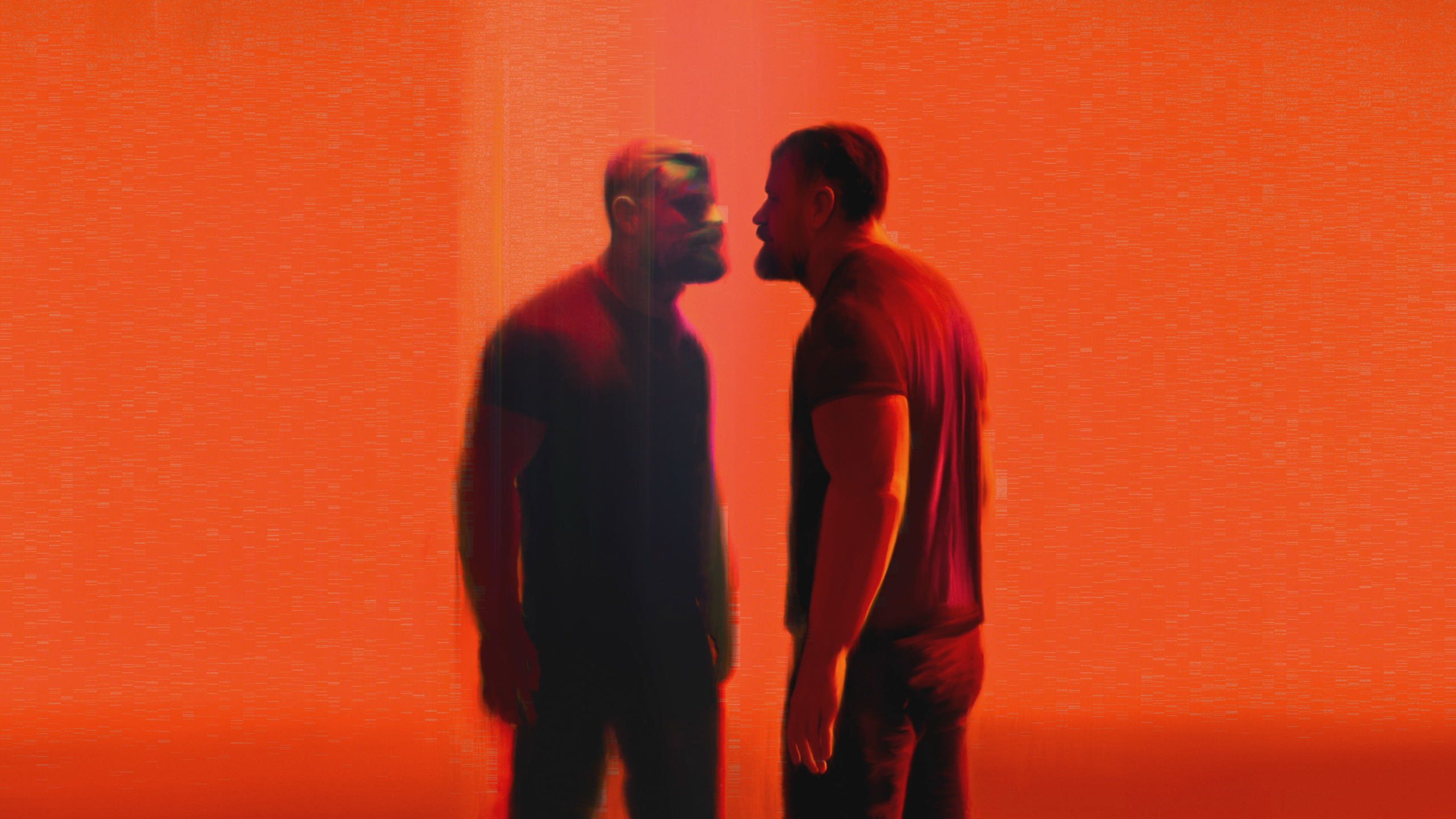

Written by: Dillon Kivo
A Documentary Built on Truth, Not Spectacle
In Waves and War does not lean on combat footage or reenactments to tell its story. Instead, directors Jon Shenk and Bonni Cohen opt for a more challenging and candid approach. They examine what happens after war. The documentary follows three former Navy SEALs and their families as they confront traumatic brain injuries, emotional strain, and a treatment system that often falls short in addressing the invisible wounds that remain long after service ends.
From the outset, the film adopts a measured and unsensational tone. The men at its center appear disciplined and composed, shaped by years of elite training. Yet as the documentary unfolds, that exterior gives way to a deeper reckoning with memory, trauma, and emotional fatigue. The film is less concerned with the drama of war than with the quieter, more complex work of living afterward, where resilience and vulnerability exist side by side.
Marcus Capone and the Battle No One Sees
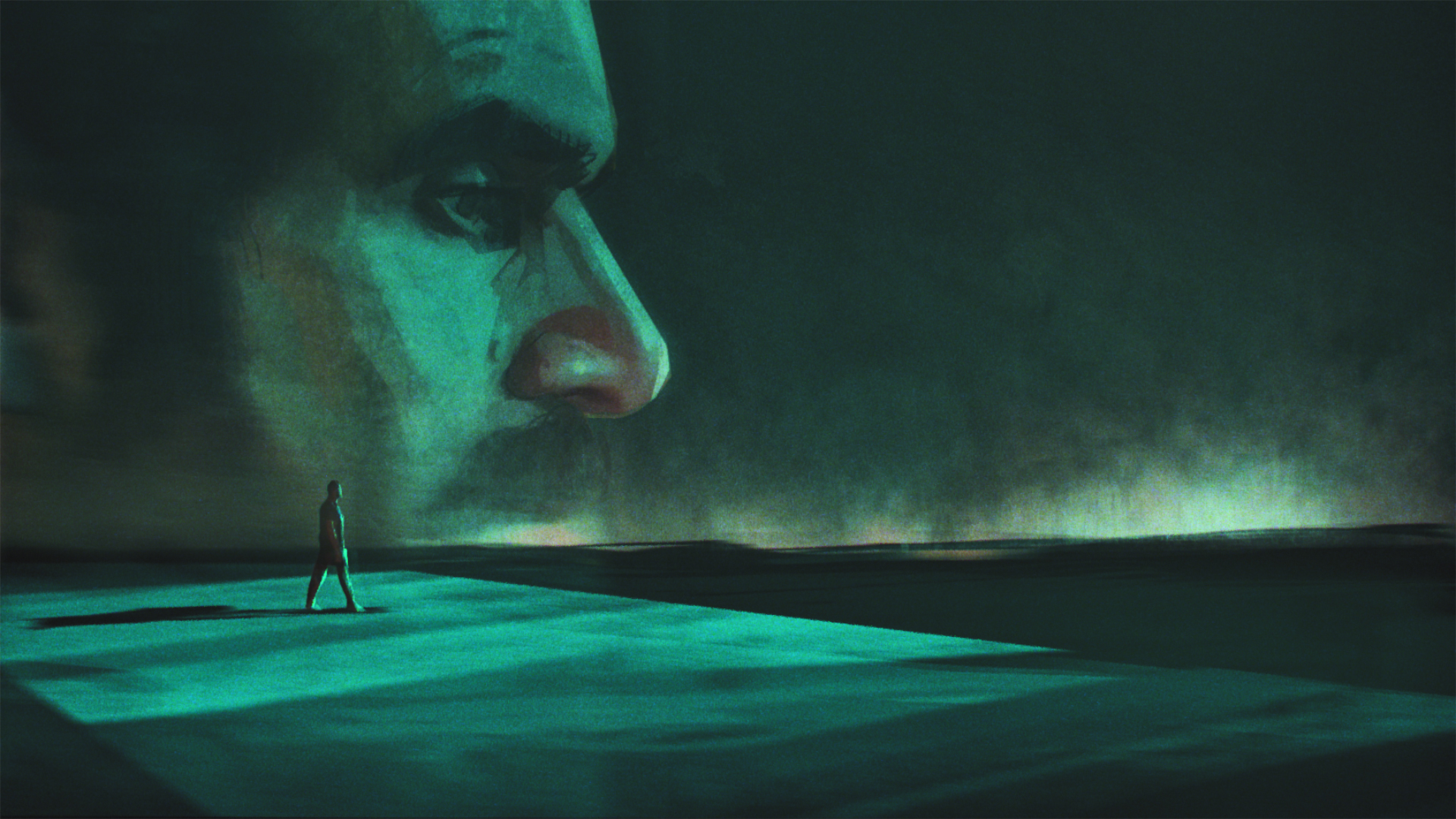
Image Credit: Courtesy of the In Waves and War press team
The primary narrative follows Marcus Capone, a highly decorated former SEAL whose return from Afghanistan marked the beginning of a fight he could not outrun. Years of exposure to blast pressure left him with traumatic brain injuries. Prolonged combat led to treatment-resistant PTSD and severe depression. He tried every conventional VA option. Nothing helped.
His wife, Amber, anchors the emotional core of his story. Determined to find answers, she searched for alternative treatments and eventually discovered a clinic in Mexico offering ibogaine and 5-MeO-DMT. These psychedelic therapies are not permitted in the United States but are increasingly recognized abroad for their impact on trauma, depression, and neurological dysfunction.
The film follows Marcus through evaluations, preparation, and the vulnerable decision to pursue a treatment few Americans even know exists. Through a mix of observational footage and expressive animation, the documentary shows how healing rarely follows a straight line. Childhood memories, combat flashpoints, and long-suppressed emotions surface and rearrange themselves in the mind’s effort to rebuild.
Marcus emerges from treatment with renewed clarity and steadiness. It is not portrayed as a miracle. It is portrayed as a beginning.
DJ Shipley’s Perspective: Honesty Without Armor
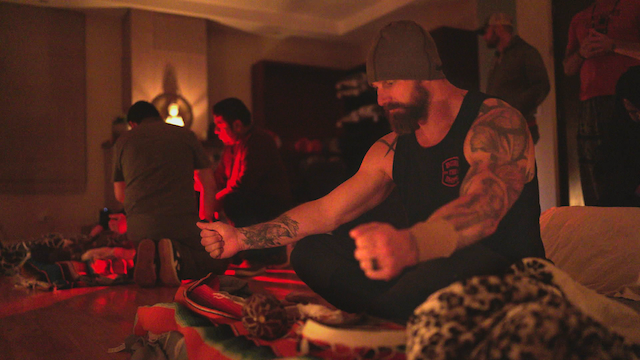
Image Credit: Courtesy of the In Waves and War press team
While Marcus drives the central storyline, one of the film’s most powerful voices comes from someone outside the main arc. Donald “DJ” Shipley, a former SEAL, offers candid reflections that deepen the emotional range of the documentary and articulate what many veterans struggle to say.
When asked what In Waves and War meant to him, Shipley answered immediately. “It made me very proud to give mental health a voice,” he said. “People put you on a pedestal. They think you do not struggle. I struggled like everybody else. And in my darkest moments, no one came for me. No one told me me too. Nobody told me it was okay. So I suffered in silence, and it almost killed me.”
His admission reflects one of the film’s central truths. Silence, not weakness, is often the most destructive burden veterans carry.
Shipley added that seeing Marcus share his experience reshaped his own sense of responsibility. “When I saw the strength Marcus showed after treatment, I said no more,” he said. “I will do everything I can. I will shout from the rooftops that it is okay not to be okay.”
For Shipley, the most difficult moment in the film was the Tall Grass sequence, which includes an AC-130 gunship audio recording connected to a traumatic event. “Tall Grass is definitely the hardest part for me,” he said. “I ugly cried. It absolutely emotionally crippled me, and I did not know why. Every time I hear it now, it does it again.”
After completing treatment himself, Shipley returned home and faced the emotional damage he had left behind. “All of my demons were unraveling around me,” he said. “I was going back to the absolute carnage that I caused. It was surreal to realize how far I had gotten away from myself.”
His honesty becomes one of the documentary’s strongest elements. It broadens the conversation and gives language to experiences that many veterans cannot yet articulate.
Matty Roberts and the Quiet Weight of Invisible Wounds
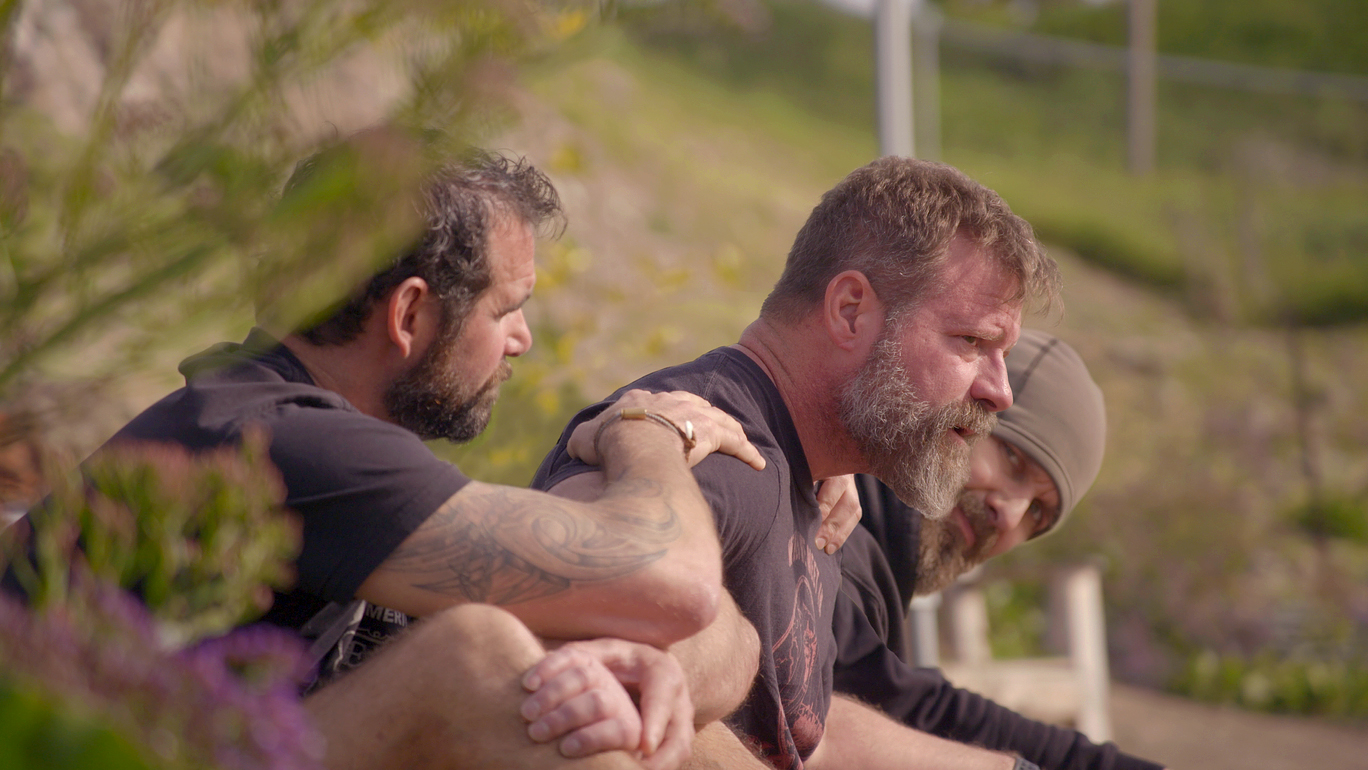
Image Credit: Courtesy of the In Waves and War press team
Alongside Marcus and DJ, the documentary follows former SEAL Matty Roberts. His story runs parallel to the others, marked by traumatic brain injuries, emotional detachment, and the slow erosion of stability common to high-intensity military careers.
Roberts’ scenes are understated but powerful. They reveal how trauma infiltrates daily life, complicates relationships, and reshapes identity. His choice to pursue psychedelic-assisted therapy reflects the same search for relief that led Marcus abroad. His journey emphasizes a truth threaded throughout the film. These struggles are not isolated. They exist across an entire community of veterans who bear the unseen cost of service.
From a Breakthrough to a Mission
Marcus and Amber’s experience leads to the creation of VETS, an organization dedicated to helping other special operations veterans access psychedelic treatments outside the United States. The documentary captures the urgent calls from families, the emotional weight carried by those seeking help, and the overwhelming demand for solutions that traditional systems have not yet provided.
The film also highlights research at Stanford’s Brain Stimulation Lab, where scientists study how ibogaine and 5-MeO-DMT affect the brain. These scenes link emotional testimony with scientific exploration and suggest what future treatment options might become.
Other Veterans Find Their Voices
Beyond the central stories, In Waves and War widens its lens to include brief reflections from other veterans who underwent treatment. Their remarks arrive without polish or narrative order, shaped more by recall than chronology. The effect is deliberate. These are not testimonials, but moments of recognition.
One veteran describes reaching a point he struggled to articulate, recalling a moment when he felt confronted with a simple but unsettling question: “Are you ready to be whole again?” Another speaks of seeing the battlefield from the opposing side’s perspective for the first time, and a shift in perspective that unsettled assumptions he had carried for years.
The comments are brief, but they linger. Together, they suggest how the treatments force veterans to revisit experiences long buried or avoided, not in search of tidy conclusions, but in an effort to confront what had gone unresolved.
Brotherhood and the Power of Shared Recovery
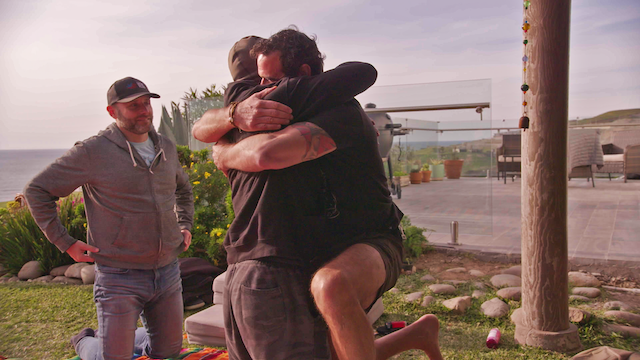
Image Credit: Courtesy of the In Waves and War press team
Across the documentary, one message stands out. Healing does not happen alone. Veterans rely on each other in ways civilians rarely see. Their conversations show a form of brotherhood that extends beyond service. They challenge one another, support one another, and create a safe space where vulnerability becomes possible.
For many viewers, these exchanges become the film’s most telling moments.
Why the Film Matters
The documentary offers a grounded and credible perspective on recovery, one that acknowledges the depth of trauma without reducing it to despair. The film traces the slow work of rebuilding, from families repairing strained relationships to veterans reclaiming parts of themselves that had long felt unreachable. Alongside these personal stories, it introduces emerging research that begins to align scientific inquiry with experiences many veterans have described for years.
The film’s argument is measured and consistent. Recovery is not about erasing the past or outrunning it. It is about confronting what remains, understanding its weight, and learning how to carry it forward with greater clarity and support.
A Needed Perspective at a Critical Time
The documentary does not end with an easy resolution, and it does not pretend that recovery follows a clean or predictable path. The men at its center remain in the process of rebuilding, still reflecting, still working through what they carry. What changes is not the absence of struggle, but the presence of connection. Conversations replace silence. Isolation gives way to shared understanding. Experiences once held privately are spoken aloud.
The film’s achievement lies in its restraint. It resists the impulse to simplify trauma or package recovery as a conclusion. Instead, it offers something more lasting: an honest portrayal of what healing can look like when it is grounded in truth, community, and accountability. For veterans and their families, In Waves and War makes a quiet but persuasive case that progress begins not with answers, but with the willingness to be seen.