

By: Muneeb SEO
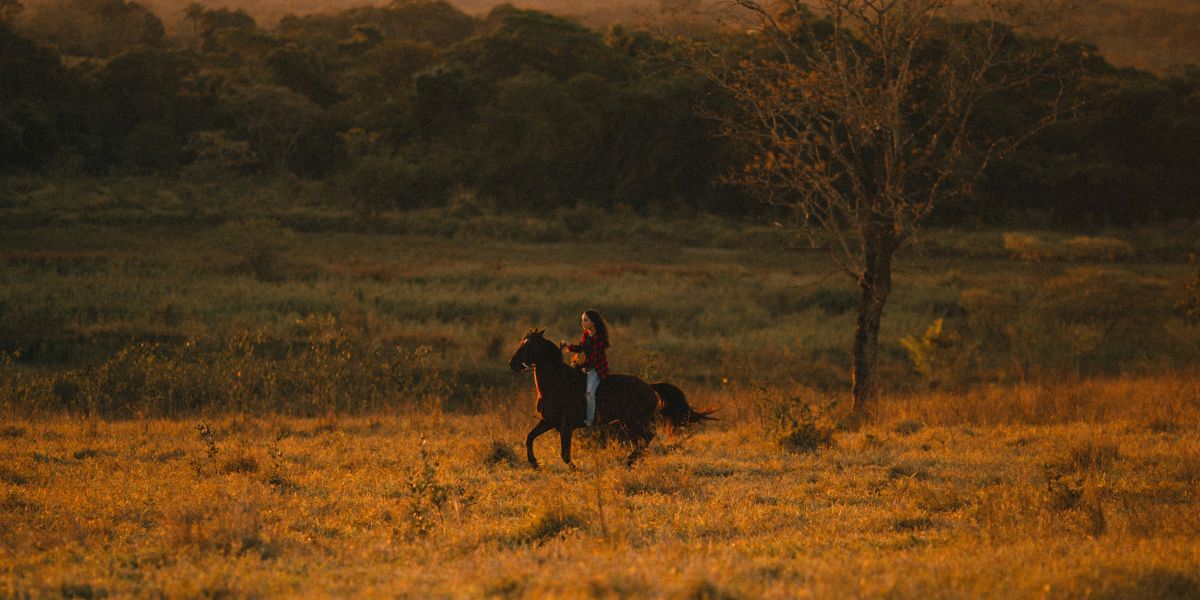
Imagine the soft splash of hooves in crystal-clear water, the sun warming your back as you ride alongside a herd of grazing zebra. This is the reality of a horseback safari in Botswana’s Okavango Delta, an experience that moves beyond simple observation to true immersion. Instead of the hum of a safari vehicle, the soundtrack is the call of a fish eagle and the whisper of the wind through the reeds. This unique way of exploring the African wilderness offers a connection to the environment that is as profound as it is thrilling.
Botswana, a country celebrated for its conservation ethos and vast, unfenced wilderness, provides the ultimate stage for this adventure. The Okavango Delta, a UNESCO World Heritage Site, is a sprawling wetland oasis in the middle of the Kalahari Desert, creating a mosaic of floodplains, palm-fringed islands, and deep lagoons that teem with life. On horseback, you can traverse this dynamic landscape in a way that no vehicle can, making it one of Africa’s most exclusive and sought-after safari experiences.
Why Botswana is Ideal for Riding Safaris
The Okavango Delta is arguably the ideal place in Africa for a horseback safari. Its seasonal floodwaters, which typically arrive between May and June, transform the landscape, creating vast, shallow plains that are ideal for long, exhilarating canter sessions. These water-rich areas are inaccessible to game drive vehicles, meaning your riding group has exclusive access to pristine wilderness and undisturbed wildlife. The horses are well-adapted to the terrain, confidently navigating both dry land and watery passages.
A significant advantage of being on horseback is how other animals perceive you. Wildlife often sees a horse and rider not as a threat, but as another grazing animal. This enables exceptionally close and natural interactions. You can approach giraffes, elephants, and herds of lechwe or buffalo without causing alarm, observing their natural behavior from a respectful distance. The quiet, unobtrusive nature of a riding safari means you are truly part of the scenery, not just a spectator passing through.
“On horseback, you become part of the landscape, not just an observer,” says Frank Steenhuisen, Co-founder and lead safari expert at SAFARI FRANK. “The animals accept your presence, which allows for incredibly serene and close encounters. It’s a return to a more fundamental way of exploring the wild, and there’s nothing quite like cantering alongside a herd of zebra across the floodplains.”
The Horseback Safari Experience in the Delta
A typical day on a riding safari begins just before dawn, when the air is cool, and the animals are most active. After a light breakfast, you’ll mount your well-schooled horse and set out to explore. Rides can last four to six hours, covering diverse terrain from mopane woodland to open grasslands and shallow waterways. The pace varies, from gentle walks while tracking elephants to thrilling canters and gallops across the open plains.
Guides are highly experienced, not only in horsemanship but also in tracking and interpreting animal behavior, ensuring both safety and a rich educational experience. You might follow ancient elephant trails, surprise a shy reedbuck in the tall grasses, or watch a large herd of buffalo move through the landscape. Lunches are often enjoyed back at camp during the heat of the day, followed by a siesta before a shorter afternoon ride or an alternative activity.
Rider Requirements and Safety
Horseback safaris in the Okavango Delta are designed for intermediate to experienced riders. You should be comfortable and confident at all paces, including a walk, trot, and fast canter, over varied and open terrain. The horses are responsive and well-trained, but since you will be riding in an area with potentially dangerous game, the ability to control your horse at all times is important. A good level of riding fitness is also recommended, as you will spend several hours in the saddle each day.
Safety is paramount. Groups are kept small, typically with a maximum of eight riders, and are led by armed, professional guides with extensive local knowledge. Before the first ride, guests receive a comprehensive safety briefing covering how to handle wildlife encounters. For groups with mixed interests, many camps can accommodate non-riders, who can enjoy game drives, walking safaris, or mokoro (dugout canoe) trips while the others are riding.
Luxury Accommodations for Your Riding Adventure
Accommodation on a Botswana riding safari is exceptional, blending rustic charm with high-end luxury. Camps are strategically located to offer prime access to the ideal riding areas and wildlife viewing.
- Macatoo Camp: Situated in a vast private concession in the western Okavango Delta, Macatoo Camp is a premier destination specifically for horseback safaris. Its luxurious, spacious tents are set on raised platforms, offering panoramic views of the surrounding floodplains. With a stable of around 50 well-schooled horses, it caters to various riding abilities and offers a flexible and thrilling riding experience.
- Duba Plains Camp: Located in the northern part of the Delta, Duba Plains Camp is renowned for its exceptional predator sightings. This top-end camp offers an intimate, exclusive atmosphere, ideal for those seeking to combine thrilling wildlife action with luxurious comfort after a day in the saddle.
- Gomoti Plains Camp: Overlooking the Gomoti River, this high-end camp provides a classic safari experience in a wildlife-rich area. Its elegant tents and expansive main lodge offer a comfortable base from which to explore the surrounding floodplains on horseback or by vehicle.
Planning Your Botswana Riding Safari
A successful riding safari depends on careful planning, from selecting the right itinerary to matching you with the ideal horse. At SAFARI FRANK, we specialize in creating bespoke equestrian adventures like the 5-Night Riding Safari in the Okavango Delta. We handle all the details, ensuring your skill level is matched with the appropriate ride and that your accommodations meet the highest standards of luxury and service.
We can also design a more comprehensive itinerary that combines your time in the saddle with other iconic Botswana destinations. You might pair the wetlands of the Delta with the stark beauty of the Kalahari Desert or the elephant-rich environment of Chobe National Park. Our expertise ensures a seamless, unforgettable experience from start to finish.
When to Visit for the Ideal Riding Conditions
While the Okavango Delta offers a fantastic experience year-round, the ideal time for a riding safari depends on what you want to see. The peak dry season, from June to October, is when the annual floodwaters are at their highest. This period offers the iconic water-crossing experience, with abundant wildlife congregating around the floodplains. The weather is characterized by clear skies and sunny days, though mornings and evenings can be cool.
The shoulder months of April, May, and November provide a balance of pleasant weather and excellent game viewing. The landscape is greener, and birdlife is particularly prolific. The “green season,” from December to March, brings lush vegetation and newborn animals, offering a different but equally rewarding photographic and riding experience.
A horseback safari in Botswana is more than just a holiday; it is a profound way to connect with Africa’s wilderness. It offers adventure, elegance, and a perspective on wildlife that few ever get to witness. By trading the safari vehicle for a saddle, you step into a world of quiet intimacy and thrilling freedom, creating memories that will last a lifetime.
About Frank Steenhuisen
Frank is the lead safari expert at specialists in exclusive safari adventures in SAFARI FRANK, helping travelers experience Africa’s wildlife safely and sustainably. Learn more at SAFARI FRANK.