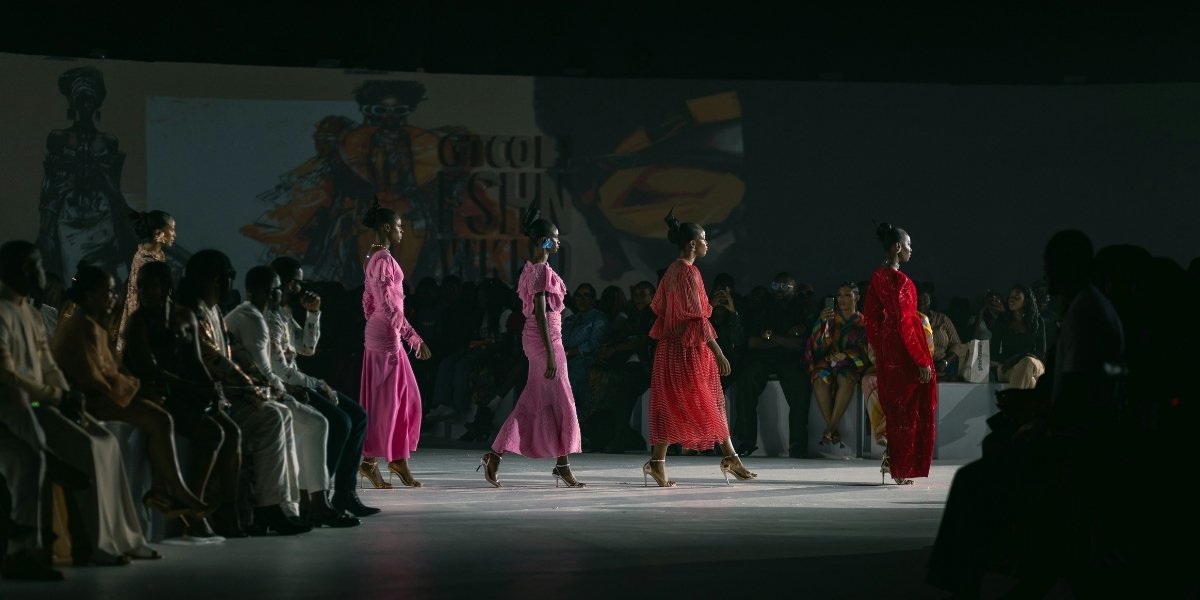

Vintage couture has long held a place of reverence on New York’s red carpets. Whether it’s a reissued gown from a Parisian archive or a custom-tailored piece inspired by 1940s silhouettes, these looks continue to shape how fashion insiders and celebrities approach high-profile events. In a city known for its fashion authority, vintage couture isn’t just nostalgic, it’s a statement of taste, history, and individuality.
Red carpet appearances in New York often reflect deeper cultural moments. When a celebrity steps out in a vintage couture gown, it’s not just about style, it’s about storytelling. These garments carry decades of craftsmanship, often tied to iconic designers or pivotal fashion eras. From Met Gala arrivals to film premieres, the influence of vintage couture is woven into the fabric of the city’s fashion identity.
Why Vintage Couture Resonates on the NYC Red Carpet
New York’s fashion scene thrives on reinvention, but it also values authenticity. Vintage couture offers both. These pieces are often one-of-a-kind, hand-stitched, and rooted in design philosophies that predate mass production. Wearing vintage on the red carpet signals a respect for artistry and a desire to stand apart from fast fashion cycles.
Celebrities and stylists often turn to vintage couture when they want to evoke a specific mood or era. A 1970s Halston gown might suggest disco glamour, while a 1950s Dior silhouette channels Old Hollywood elegance. These choices aren’t accidental, they’re curated to align with the event’s theme, the wearer’s persona, or even current social conversations around sustainability and fashion ethics.
The appeal of vintage couture also ties into the broader significance of New York Fashion Week, where archival references and retro revivals frequently appear on runways. Designers often cite vintage influences in their collections, and red carpet stylists echo those themes in their selections.
Examples of Vintage Couture Making Headlines
At the Tribeca Film Festival, Zendaya wore a 1990s Jean Paul Gaultier corset dress that had previously appeared on a Paris runway. The look was updated with minimal accessories and a sleek bun, allowing the garment’s structure to take center stage. Fashion critics praised the choice for its boldness and historical relevance.
During a Broadway opening, Sarah Jessica Parker arrived in a velvet column gown originally designed by Norman Norell in the 1960s. The dress featured hand-beaded detailing and a high neckline, paired with satin gloves and a vintage clutch. The ensemble drew attention not just for its elegance but for its preservation, proof that couture can endure across generations.
At a recent gala supporting arts education, Lupita Nyong’o wore a 1980s Yves Saint Laurent tuxedo dress with exaggerated shoulders and a cinched waist. The look was a nod to power dressing and gender-fluid fashion, themes that remain relevant in today’s red carpet conversations.
Styling Vintage Couture for Modern Audiences
While vintage couture carries historical weight, it’s often styled with contemporary touches to keep it fresh. Accessories play a key role, modern heels, minimalist jewelry, or updated hair and makeup can transform a decades-old gown into something current. Stylists also tailor vintage pieces to fit today’s silhouettes, ensuring comfort without compromising integrity.
Layering is another technique. A vintage cape might be paired with a new slip dress, or a 1940s bolero could top a modern jumpsuit. These combinations allow wearers to honor the past while expressing their own style. It’s a balancing act between preservation and personalization.
The enduring popularity of the 1950s Old Hollywood headscarf look is a prime example of how vintage accessories continue to influence red carpet styling. Whether tied under the chin or draped over the shoulders, the headscarf adds drama and elegance, often completing a vintage couture ensemble with cinematic flair.
Where Vintage Couture Comes From
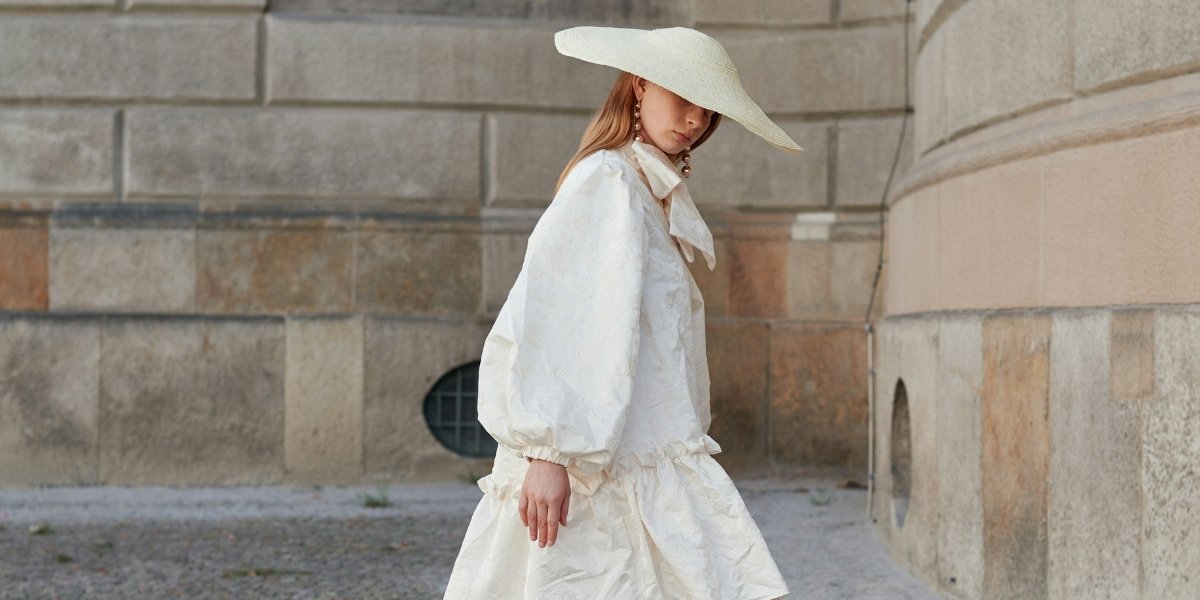
Photo Credit: Unsplash.com
Many stylists source vintage couture from private collectors, auction houses, or specialty boutiques. In New York, shops like Resurrection and What Goes Around Come Around offer curated selections of designer pieces from past decades. Some stylists also work directly with fashion archives or borrow from museum collections for one-night-only appearances.
Authentication is key. True vintage couture includes labels, documentation, and often visible signs of hand-finishing. These details matter not just for credibility but for honoring the craftsmanship behind each garment. Stylists and wearers alike understand that wearing vintage is a form of stewardship, it’s about keeping fashion history alive.
Why Vintage Couture Continues to Inspire
In a city that never stops moving, vintage couture offers a moment of pause. It invites reflection, appreciation, and a deeper connection to fashion’s roots. On the red carpet, these garments stand out not because they’re loud, but because they’re layered with meaning.
For many in the industry, vintage couture represents a kind of quiet rebellion against disposable fashion. It’s a way to celebrate individuality, support sustainability, and showcase timeless design. And in New York, where fashion is both personal and public, that kind of statement carries weight.
Whether it’s a reimagined gown from the 1960s or a tailored suit from the 1980s, vintage couture continues to shape how red carpet fashion is understood and admired. It’s not just about looking back, it’s about choosing pieces that still speak, decades later.