

Image Commercially Licensed From: Unsplash
The negative impact of unethical fashion practices has become increasingly more drastic and is causing more problems than ever before. This is by no means new information; warnings surrounding the purchasing of unethical clothing have been circulating on social media and other news platforms for quite some time in an effort to bring attention to the issues at hand.
In general, ethical fashion and fashion production practices refer to fashion that aims to decrease the harmful effects and negative impacts which their industries have on the planet. For fashion practices to be ethical, the entire process thereof should adhere to certain standards – from design, to labor, to manufacturing.
With so many brands being accused of unethical fashion practices, it becomes increasingly more difficult for people to distinguish between who they should be purchasing from. For brands who want to ensure that they are adhering to ethical and fair fashion practices and for consumers who want to ensure that they support the right brands, there are a few things that they can keep an eye out for:
1. Transparency
Brands that seem like they have something to hide when it comes to their fashion practices are typically trusted less by consumers. More and more consumers want to know the processes behind the manufacturing of fashion items, and when brands fail to disclose such information, the assumption is made that the brand is making use of practices that are potentially unethical.
That said, when considering making purchases, check to see if the brand is being transparent about their fashion practices, specifically if they were asked about it in the news. Brands should also take this into consideration and ensure that they do indeed disclose such information to avoid assumptions being made about them.
2. Fair Working Conditions
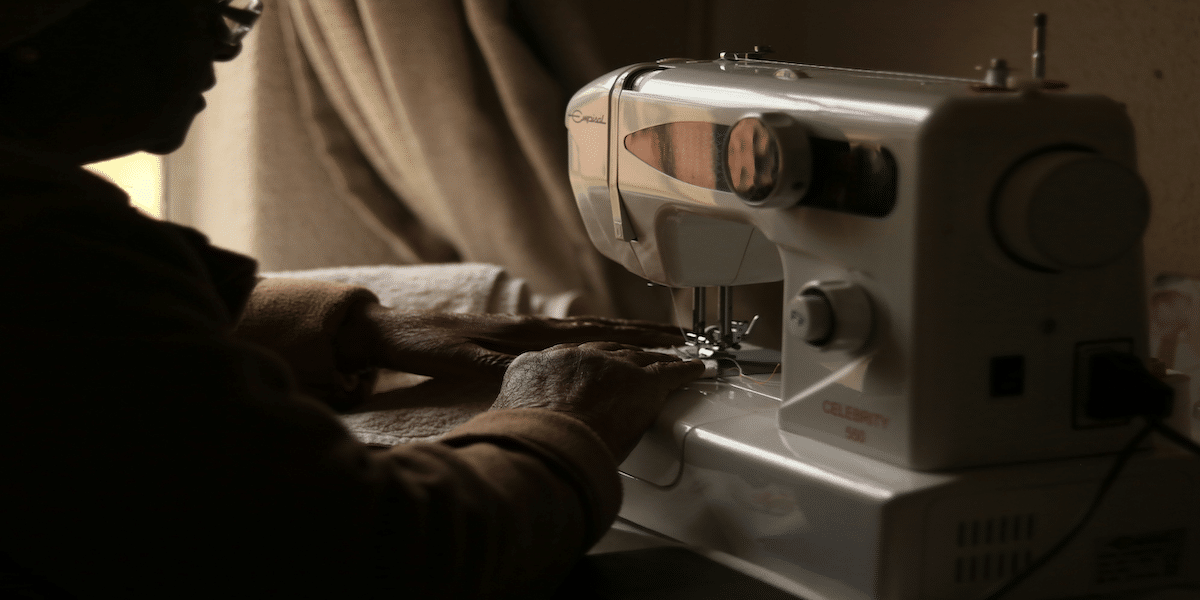
This might be one of the most talked about topics with reference to ethical or unethical fashion. Labor is, in many cases, outsourced and cheap, which results in the laborers being treated poorly and unfairly. This is sometimes referred to as modern-day slavery.
Some brands have shown that they have improved the conditions in which their employees need to work. However, it seems as though it is still not good enough. Workers should earn fair wages, work in safe environments, and have basic human rights. Brands that fail to provide their laborers with these basic needs are considered to have unethical working environments. Within such unfair and unsafe working conditions, child labor is, unfortunately, also typically present.
Fashion brands can ensure that they are adhering to ethical standards by ensuring that their entire workforce is treated respectfully and fairly. Consumers can help change the terrible environments in which some of these people have to work by supporting brands that do it right rather than those that do it wrong – even if it might cost a little more.
3. Chemicals and Processes
The chemicals used and the processes followed within the production of clothing items are some of the worst factors which contribute to harming the environment.
Brands should avoid the use of harmful chemicals within their production processes because the use thereof is not only directly harmful to the planet but to people as well. The production of clothing makes use of large amounts of water within the dyeing and finishing processes. To reduce the use of water, brands can start making use of other materials which do not require such excessive amounts of water within their production processes.
When consumers support brands that make use of fewer chemicals and environmentally safe processes, they contribute to creating more sustainable fashion and better and safer working environments.
In Conclusion
Knowing what to look for when trying to ensure if a brand is adhering to ethical and fair fashion practices can be a bit confusing. The list above can serve as a guide to both the consumer as well as the brand. Brands can look at this and ensure that they comply, to be able to call themselves an ethical fashion provider, and consumers can compare brands to this list to ensure that they are purchasing from someone that has a positive impact on the environment.
Conversations about unethical fashion practices typically revolve around the everyday clothing provider, but it has now become an issue within all areas of the fashion industry. One such area is fashion houses and the more luxurious side of the fashion industry. Unethical fashion brands have moved from only selling day-to-day clothes to selling fashion items within all categories, including prom dresses.
With prom around the corner, this is one of the industries which should be looked at closely and chosen carefully. Jovani explains that consumers can promote change if they make sustainable choices and choose dresses that do not have a negative impact on the environment.