

By: Charlotte Hayes
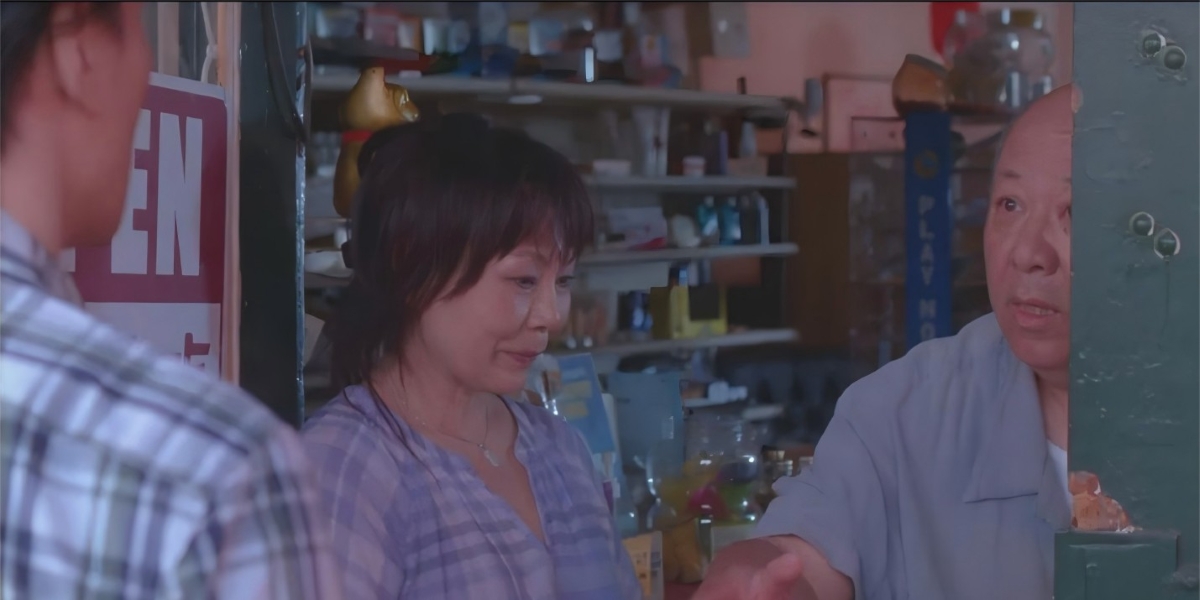
When Lucky Market premiered at LA Shorts — an Academy and BAFTA-qualifying festival — the film quickly attracted attention from audiences and programmers around the world. It soon made its way to AFI Fest, the Edmonton International Film Festival, Bushwick, Tacoma, USA Film Festival, and more. Beyond that, Lucky Market received a Golden Angel at the Chinese American Film Festival, along with nominations, including a major recognition for Cinematography at the 2023 ASC Heritage Awards.
“The film’s AAPI-driven creative team received widespread recognition across the industry, and within that collaborative environment, line producer Megan Qiao played a key role in helping maintain steady organization behind the scenes. Her ability to keep the production moving through its more challenging moments helped support the work of the entire team.”
In speaking with Megan, she offered a thoughtful look into the quieter side of line producing — and the moments on Lucky Market when careful planning and calm thinking helped the crew stay focused on the story.
Q: Lucky Market has been celebrated across multiple Oscar-qualifying festivals. From your position on the front lines, what made this film so challenging?
Megan: “The team is large, around sixty people, all bringing their own expertise and heart to the project. Not only the size, but also the emotional weight of the story. Because the film touches on community, aging, and a painful act of hate, we needed a set environment that felt steady and respectful, especially during our night shoots.
Some days it meant adjusting the timing or moving things around; other days it meant helping the crew feel settled so everyone could breathe a little easier. Also, it’s important to give the director and other department heads the space to stay connected to the heart of the story, knowing the practical details were being addressed.”
Q: Directors and producers often talk about the line producer as the “vision translator.” How did you shape that vision for this film?
Megan: “Working with all the experienced and professional team members is a pleasure. Apart from producer Cindy, Eric Wang Schwager, our multi-ethnic director, has an incredibly cinematic mind and holds high standards. His half-hour pilot, Bad Beat, was a Cinequest and Screen Craft semifinalist and a top-ten finalist at the Nantucket Film Festival. In the commercial world, Eric was recognized with a Silver Telly Award in the “Craft” category for Roborock’s Revel in the Mess and also had pieces for Bank of America and Advance Auto Parts spotlighted for AAPI month. He is also an alum of the AICP Commercial Mentorship Program, having worked alongside Oliver Fuselier and Great Guns USA.
His films often address themes of systemic disadvantage and exclusion. By distilling each story to its most visual and impactful core, Eric aims to connect with viewers on a visceral level.
My job was to make those images as feasible as possible. For example, there were night sequences where the emotional tone of the scene depended on timing, lighting, and sound sensitivity. Logistically, it was challenging — overnight shoots, neighborhood noise, limited hours. Producer and Me, our production, did what was necessary to make sure the director could capture the performance without disruptions, without rushing, and without compromising artistic intent.”
Q: Can you share one of the challenges you’ve faced during any overnight shoots based on your experience?
Megan: “Yes. One night, during a critical emotional scene, we encountered a homeless man who wandered into our production area, yelling at us. Some crew members were caught off guard. It was unpredictable. It was dark, and our sound recording was at risk.
We couldn’t afford to delay; adjusting the schedule would have thrown off the entire overnight. I stepped in efficiently, approached him calmly, and negotiated respectfully. Though I was concerned because he could have had weapons, I knew it was something that needed to be addressed. The film needed to proceed, and within a few minutes, he agreed to leave.
It was terrifying — but leadership sometimes means doing the things others might hesitate to do. You always need to stay calm, protect your team, and protect the film.”
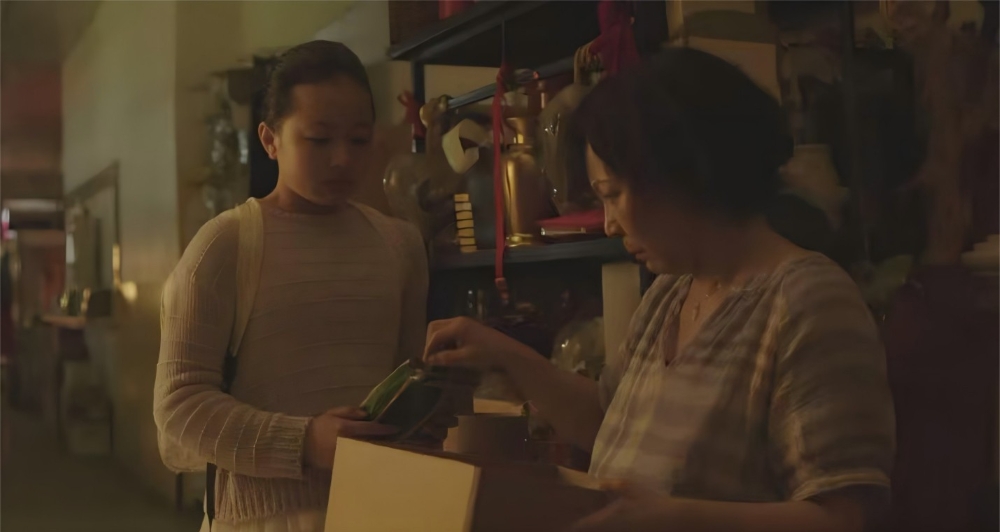
Photo Courtesy: Megan Qiao
Q: Where does your calm come from?
Megan: “I think a calm approach comes from years of being in different roles on set and understanding how much pressure people carry. Because I’ve worked across several departments, I know how quickly the energy of a set can change.
I try to stay attentive — to how people are feeling, to what might become a problem later, and to the small things that make long days a little easier. If the crew feels supported, the work tends to fall into place.”
“My leadership style has been shaped by experience and my producing mentor when I was pursuing my MFA in film production in LA. By watching how different teams function under pressure, I try to stay aware of both the big picture and the emotional atmosphere. From the crew’s food preferences to the safety environment.
A film is a living organism. If the morale drops, the production can suffer.”
Q: How does it feel seeing the film resonate globally?
Megan: “It’s deeply rewarding. Behind every award and every selection, there are months of invisible decisions. And to know that the world embraced a story about community and identity — including one driven by an AAPI creative team — is meaningful.”
Q: What’s next for you?
Megan: “I’d like to continue producing films with filmmakers who are passionate about telling human stories with depth and integrity. I’m also looking forward to expanding into more commercial works and bigger budget projects as my next step.
Filmmaking is always a collective effort, and Lucky Market was no exception. Alongside the director’s artistic leadership, Producer Cindy Zhang and Megan’s thoughtful planning and oversight played a meaningful role in helping the production navigate its most complex days.”