


Learning Japanese conversation doesn’t require living in Japan. With the right methods, anyone can gradually build speaking confidence from home. You can practice natural Japanese conversation through daily habits, digital tools, and consistent speaking exercises—even if you’re not in Japan.
You can turn your environment into a language space by labeling objects, changing device settings, or speaking aloud while doing daily tasks. Listening to Japanese media, repeating lines, and shadowing native speech can help develop rhythm and pronunciation naturally.
This guide explains how to practice speaking Japanese remotely and introduces creative ways to make those lessons feel more realistic. By following these strategies, anyone can make steady progress toward speaking Japanese with clarity and confidence, no matter where they live.
Fundamental Strategies to Practice Japanese Conversation Remotely
People can improve their Japanese speaking skills from anywhere by combining solo practice, online communication, and daily language use. These methods can help train pronunciation, fluency, and confidence without needing to live in Japan.
Leveraging Language Exchange Apps and Online Partners
Online communication gives learners access to real conversations. Language exchange apps let users talk with native speakers through text, voice, or video. This provides an opportunity to apply grammar and vocabulary in real time.
When meeting online partners, it may be helpful to set goals such as “practice ordering food” or “discuss weekend plans.” Keeping sessions short but regular—about 20 minutes—may lead to steady progress without feeling tiring. Recording a few minutes of each exchange can help review pronunciation and recall new phrases later.
Learners can also study with italki Japanese tutors or with specialists from other similar platforms for more structured speaking sessions. These tutors can guide pronunciation, correct common mistakes, and provide realistic conversation topics.
Solo Speaking Techniques for Building Fluency
Speaking alone can help learners think in Japanese and speak more naturally. One simple method is mirror talk—talking to oneself while describing daily events or thoughts. This helps build comfort in forming sentences quickly.
Shadowing is another strong technique. Learners listen to short Japanese clips, repeat them aloud, and match rhythm and tone. It supports pronunciation and listening comprehension.
Recording short monologues daily allows review and self-correction. Learners can track progress by comparing old and new recordings. A short table can help organize practice:
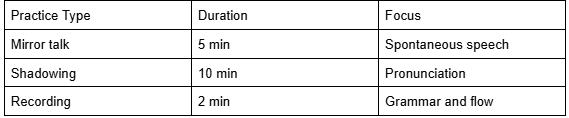
These habits, used consistently, can make speech more natural and confident.
Integrating Japanese Conversation Into Your Daily Routine
Daily habits make speaking Japanese feel more natural. Learners can narrate small actions, such as cooking or walking, in Japanese. Speaking simple sentences, like describing the weather or plans, can gradually build fluency.
Listening to Japanese podcasts or news while repeating short phrases aloud adds spontaneous practice.
Writing a short daily journal and reading it aloud can help connect writing and speaking skills. Using reminders, such as sticky notes with common expressions, keeps Japanese visible throughout the day.
Even five-minute sessions spread across the day can contribute to steady improvement in speaking confidence and fluency.
Creative and Immersive Methods for Improving Japanese Conversation Skills
Immersive learning helps learners connect spoken Japanese with real-life use. By combining listening, speaking, and observation, they can build muscle memory, natural rhythm, and confidence in conversation.
Using Japanese Media Like Manga and TV for Real-World Context
Japanese media gives learners access to real speech patterns and cultural cues. Watching dramas, anime, or news clips introduces natural sentence flow, tone, and slang that textbooks often miss. Subtitles in Japanese can help match sounds with written words.
Manga supports reading and listening practice together. Learners can read dialogue aloud, paying attention to informal and formal speech. This helps them recognize how context changes word choice and politeness.
Tip: Keep a small table of new words or phrases while watching or reading.
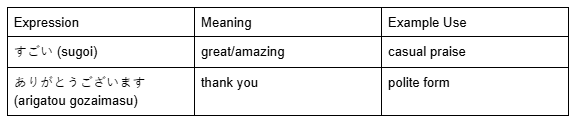
Using media regularly helps learners hear how Japanese sounds in daily life and builds a natural ear for conversation.
Shadowing and Role-Playing for Pronunciation and Confidence
Shadowing means repeating the Japanese audio right after hearing it. This supports rhythm, pronunciation accuracy, and listening speed. Learners can start with short clips or podcasts, repeating lines until they match the speaker’s tone and timing.
Role-playing turns passive learning into active speaking. Acting out everyday situations—like ordering food or introducing oneself—allows learners to practice speaking Japanese without fear of mistakes.
Practicing aloud trains the mouth muscles to form sounds correctly. Over time, this creates muscle memory, making speech smoother and more automatic.
Practice idea:
- Choose a short dialogue.
- Listen once for meaning.
- Shadow line by line.
- Recreate the scene with a partner or record yourself.
Tracking Progress and Staying Motivated
Learning Japanese conversation takes steady effort. Tracking small wins can keep motivation high. Learners can record short speaking clips weekly to hear improvement in pronunciation and fluency.
Setting simple goals, such as “speak for five minutes without notes,” can help measure growth. A language journal can track new words, phrases, and reflections after each session.
Progress tracker example:
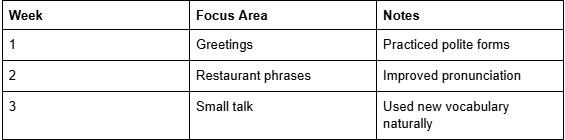
Seeing progress written down may encourage consistency and remind learners of how far they’ve come.
Summary
Learning to speak Japanese well does not require living in Japan. With steady practice, learners can build strong conversation skills using tools like audio lessons, self-recording, and language exchanges.
Regular speaking habits—such as shadowing, reading aloud, or talking to oneself—help improve pronunciation, rhythm, and confidence.
By combining structured study with real or simulated conversations, learners can create an immersive environment wherever they live. Consistency and curiosity play significant roles in long-term progress.