

By: Jaxon Lee
The Illinois couple has transformed unimaginable personal loss into a public call for accountability, transparency, and remembrance.
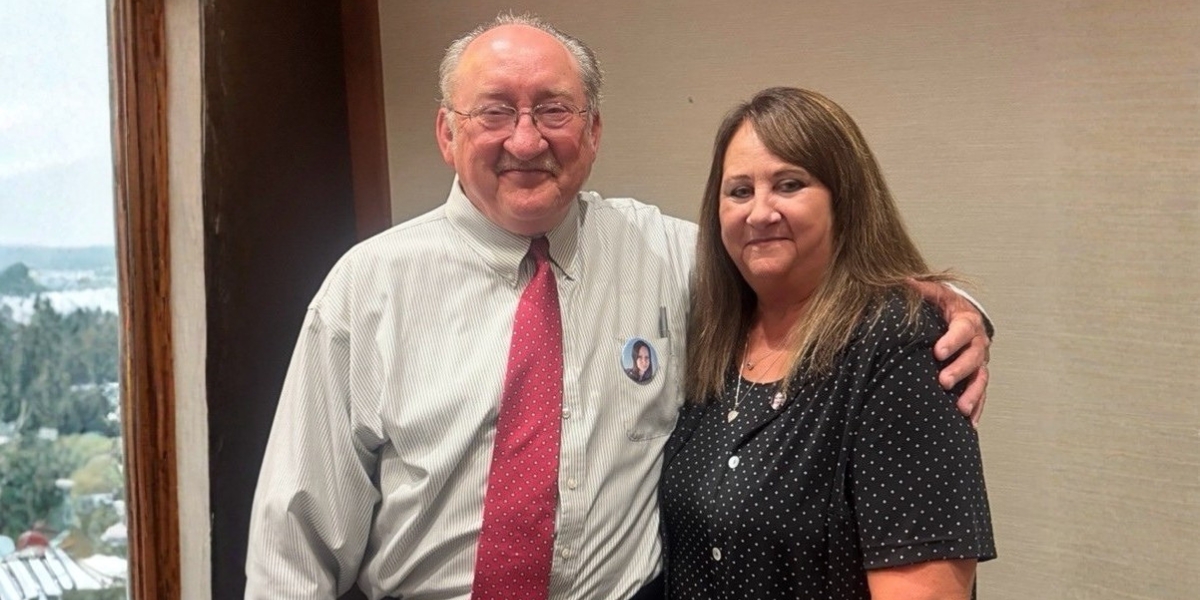
David and Robin Swaziek did not set out to become public voices in conversations about justice, loss, and accountability. For most of their lives, they were known first as hardworking, family-centered people who believed in the value of honesty, responsibility, and doing what was right. David grew up on a dairy farm in southwestern Wisconsin, earned a degree in Industrial Safety from the University of Wisconsin–Platteville, and spent more than four decades with the same company before retiring. Robin built her life around family and motherhood, creating the kind of home where memories were made in ordinary moments, celebrations, and the closeness of children and grandchildren.
Everything changed in June 2016, when their daughter Megan died after a boating crash. In the years since, the Swazieks have spoken openly about the devastating personal cost of that loss and the deep frustration that followed in the legal process. According to their account, the outcome of the criminal case did not reflect the seriousness of Megan’s death. That experience altered more than their view of one case. It shattered their long-held belief that the justice system would naturally protect victims, pursue truth without compromise, and treat every life with equal dignity.
For David, the transformation was especially profound. He was raised to trust institutions, respect the law, and believe that public officials would honor their duty to innocent families. After Megan’s death, that trust gave way to hard questions about fairness, consistency, and whether accountability can be influenced by power, access, or position. Robin’s journey was equally profound, but it took shape through a mother’s relentless refusal to let her daughter’s life be reduced to paperwork, procedure, or silence. Her grief became advocacy. Her mourning became testimony. Together, they made the decision that Megan’s story would not disappear into the background of a closed case.
What makes the Swazieks’ story resonate is that their advocacy does not come from ambition or public image. It comes from love. They speak as parents first. When they talk about Megan, they are not talking about a headline. They are talking about a daughter whose life mattered deeply, a woman whose absence continues to be felt every day, and a family that believes remembrance is a form of responsibility. That conviction has led them to raise awareness not only about their own experience, but also about the broader consequences of impaired operation, whether on the road or on the water, and the lasting harm done when families feel unheard by the very systems meant to serve them.
Over time, David and Robin turned private heartbreak into a sustained effort to pursue truthful transparency. They have continued to speak out for families who believe their loved ones were devalued during criminal or civil proceedings. Their message is both deeply personal and broadly relevant: accountability should not depend on status, and justice should never feel reserved for some while denied to others. In sharing their experience, they have created space for other grieving families to feel seen, understood, and encouraged to keep asking difficult but necessary questions.
Their book, Betrayed by the Justice System: What Was Done in the Dark Will Be Brought Into the Light, extends that mission, but the heart of their work is bigger than a single publication. It is the ongoing promise that Megan will be remembered with dignity and that the truth, however long it takes, still matters. Today, David and Robin Swaziek continue to stand for responsibility, transparency, and the belief that a family’s pain should never be dismissed. In honoring Megan, they have also given voice to many others who know what it means to live with loss while still refusing to surrender the search for justice.
At the center of their advocacy is a simple conviction: Megan’s life mattered, and accountability should never be optional.
About the Authors
David Swaziek grew up on a dairy farm in southwestern Wisconsin, earned a degree in Industrial Safety from the University of Wisconsin–Platteville, and spent more than 44 years with the same company before retiring. His experience after Megan’s death reshaped his view of justice and deepened his commitment to accountability.
Robin Swaziek is a devoted mother, writer, and advocate who has worked tirelessly to preserve Megan’s memory and speak for families who feel unheard in the justice process. Together, David and Robin continue to share their story in the hope that truth, responsibility, and transparency will prevail.