New York Drivers Face Fresh Toll Changes as 2026 Begins

New York, NY — Drivers across New York are seeing higher tolls and stricter enforcement as multiple transportation agencies roll out updates that took effect at the start of 2026. The changes impact major bridges and tunnels, daily commuters, and drivers entering Manhattan’s congestion pricing zone.

Officials say the updates are designed to fund infrastructure upgrades, support public transit, and discourage traffic congestion, but for many motorists, the result is higher out-of-pocket costs.

Bridge And Tunnel Tolls Rise Across The Region

Tolls have increased on crossings operated by the Port Authority of New York and New Jersey, including the George Washington Bridge, Lincoln Tunnel, and Holland Tunnel. E-ZPass users are seeing moderate increases, while drivers without E-ZPass face significantly higher “Tolls by Mail” rates.

All Port Authority crossings remain fully cashless, a system officials say improves traffic flow but has also increased billing complaints among drivers unfamiliar with mail-based tolling.

Meanwhile, tolls on bridges and tunnels run by the Metropolitan Transportation Authority have also gone up. The adjustments affect key routes such as the Verrazzano-Narrows Bridge and Queens Midtown Tunnel, adding to commuting costs for drivers traveling between boroughs.

Congestion Pricing Continues In Manhattan

New York City’s congestion pricing program remains in effect for vehicles entering Manhattan south of 60th Street. The toll, which varies by vehicle type and time of day, aims to reduce traffic congestion while generating revenue for transit improvements.

Transportation officials report fewer vehicles entering the congestion zone compared to pre-program levels, with early data suggesting improved traffic speeds and lower crash rates. Critics, however, argue that the toll places an unfair burden on working-class drivers and small businesses.

Crackdown On Toll Evasion Intensifies

Alongside higher tolls, enforcement has ramped up statewide. New York State Police and transportation agencies have increased patrols targeting toll evasion, including altered or obscured license plates and unpaid toll accounts.

Recent enforcement actions have resulted in hundreds of citations and vehicle seizures, signaling a tougher stance on violations as toll revenue becomes increasingly important for infrastructure funding.

E-ZPass Remains The Cheaper Option

Transportation agencies continue to encourage drivers to use E-ZPass, which offers lower toll rates and faster billing resolution. Drivers without E-ZPass not only pay higher tolls but also face added fees if bills go unpaid.

Officials also urge motorists to regularly check toll statements, as cashless systems rely heavily on accurate license plate recognition.

What Drivers Should Expect Going Forward

With additional toll adjustments possible in the coming years, New York drivers are being advised to factor rising transportation costs into daily budgets. Transit officials say toll revenue will support long-term projects, including bridge repairs, subway modernization, and congestion relief efforts.

For now, commuters entering 2026 should expect higher toll bills, stricter enforcement, and fewer options for avoiding fees on New York’s busiest crossings.

Nationwide Verizon Outage Leaves Phones in ‘SOS’ Mode, Raising Questions About Network Resilience

For millions of Americans, the modern safety net of constant connectivity briefly disappeared this week.

A widespread Verizon network outage disrupted wireless service across the United States, leaving customers unable to make calls, send texts, or access mobile data — and in many cases staring at a stark “SOS” message where signal bars normally appear.

The outage, which began around midday, triggered a flood of complaints across social media and outage-tracking platforms, with reports spanning major cities and rural communities alike.

We are aware of an issue impacting wireless voice and data services for some customers,” Verizon said in a statement. “Our engineers are engaged and are working to identify and resolve the issue as quickly as possible. We apologize for the inconvenience.

A Sudden Silence

For users, the disruption was immediate and disorienting.

“I thought my phone was broken,” said one New York customer. “Then I looked around and realized everyone else was holding their phones, too.

Downdetector logged hundreds of thousands of outage reports at the peak of the disruption, with customers from New York, Florida, Illinois, Texas, and California reporting similar problems. Many iPhone and Android devices displayed “SOS” or “SOS Only,” signaling that the phones could only reach emergency services.

In an era where phones double as wallets, work tools, and navigation systems, the outage rippled far beyond inconvenience.

I couldn’t clock in for work or call my kids’ school,” said a Chicago-area customer. “You don’t realize how dependent everything is on one signal until it’s gone.

What We Know So Far

Verizon has not yet disclosed the precise cause of the outage, nor provided a definitive timeline for full restoration. The company confirmed the issue affected wireless voice and data services, and some users also reported disruptions to home internet services linked to Verizon infrastructure.

Technology analysts note that while outages are not unheard of, the scale and visibility of this disruption stood out.

“When a network of this size goes down, even briefly, it exposes how centralized our digital infrastructure has become,” said one telecom industry analyst. “Redundancy exists, but it’s not always seamless from the consumer’s point of view.

Why ‘SOS Mode’ Matters

The “SOS” indicator that appeared on many devices reflects a phone’s inability to connect to its primary carrier, while still allowing emergency calls through other available networks.

“That feature worked as designed,” said a mobile technology expert. “But the fact that so many people saw it at once is what made this outage feel alarming.

For some, Wi-Fi calling and internet-based messaging apps provided a temporary workaround. For others — especially those on the move — the outage meant being effectively offline.

A Reminder of Digital Dependence

The Verizon outage reignited broader conversations about network reliability, emergency preparedness, and consumer dependence on a small number of telecom giants.

“This isn’t just about dropped calls,” said a digital policy researcher. “Connectivity is now a core utility. When it fails, it affects safety, commerce, and daily life in very real ways.

Verizon customers quickly took to social media demanding transparency and, in some cases, compensation. The company has not announced whether account credits or service adjustments will be offered.

What Comes Next

As service is gradually restored, attention is turning to what caused the outage — and what safeguards can prevent a repeat.

For now, Verizon says its teams remain focused on stabilizing the network.

We understand how critical connectivity is to our customers,” the company said. “Restoring service safely and fully is our top priority.

The Bigger Picture

The outage may ultimately be resolved within hours, but its impact lingers as a reminder of how fragile even the most advanced systems can be.

For a nation accustomed to constant connection, the brief silence was enough to raise a bigger question: What happens when the signal disappears — and how prepared are we when it does?

When X Went Silent: Inside The January 16 Outage That Left Millions Offline

On the morning of January 16, 2026, millions of social media users around the world woke up to blank screens, error messages, and bafflement — X, the platform formerly known as Twitter, had gone down again. The familiar blue-and-white interface that millions use for news, conversation, memes, and more became frustratingly inaccessible.

By mid-morning Eastern Time, outage-tracking service Downdetector showed tens of thousands of people reporting problems logging in, loading feeds, or seeing posts on both the X website and mobile app. Just in the United States alone, more than 41,000 incidents had been logged, with visible spikes in the UK, India, and other regions.

“It’s always something — I just tried to open my feed, and it just spins forever,” wrote one user on a tech forum as reports flooded in. “At first I thought it was my Wi-Fi.” Another shared screenshots of a Cloudflare connection timeout message, a telltale sign that the platform’s servers were unreachable.

Not The First, Not Likely The Last

What made this interruption particularly noteworthy was its timing. It was the second significant outage in just a few days, following a separate disturbance earlier in the week that left thousands without access. For fans and critics alike, this latest disruption raised new questions about the platform’s stability.

“I rely on X for work updates and breaking news,” said digital creator Amanda Li in New York. “When it goes down, it’s like my newsroom disappears.” Across the world, from Tokyo to London to Manila, similar frustrations played out — some users reported login failures, others complained of feeds that refused to refresh or load.

What Users Saw — And Said

In many cases, users didn’t just talk about their inability to browse — they turned to alternative apps just to vent. Screenshots of errors like “Something went wrong” and “Connection timed out” peppered other platforms. One user quipped, “Guess we’re all on Threads now,” a reference to the rival social network. Others joked about “the global coffee break,” while some shared tips on clearing cache or switching networks in the hope of temporary relief.

For many, the outage carried a slightly deeper sting: increased scrutiny of why such service disruptions seem more frequent since the platform’s rebranding to X and the changes introduced under new ownership.

Silence From The Top

Despite the wide impact and the flurry of user complaints, X had not issued an official explanation by midday. Platform engineers and support accounts remained quiet on the cause, which only fueled speculation across social channels. An engineer quoted anonymously on a technology news thread suggested that connectivity errors like the Cloudflare timeouts pointed to backend systems struggling to respond — but added that without an official statement, the root cause was still uncertain.

A Broader Pattern

Today’s outage isn’t happening in isolation. X has weathered multiple service interruptions in recent months. Cloudflare-related connectivity issues, partial server outages, and earlier downtime earlier this week hint at ongoing technical stress on the infrastructure that runs the platform.

For users like Amanda, the practical impact is clear: “We love the platform when it works — but when it doesn’t, it feels like everything just stops,” she said.

And while many were eventually able to log back in as the day progressed, intermittent glitches persisted — a reminder that in the always-on world of social media, even a few silent hours can feel like a digital earthquake.

Amazon Plans New Wave of Layoffs as Company Pushes to Cut Layers and Reshape Corporate Structure

Amazon is preparing another significant round of corporate layoffs, extending a workforce reduction strategy that began in late 2025 and is now accelerating into early 2026. The cuts, expected to affect thousands of employees across multiple divisions, underscore a broader effort by the company to simplify internal operations, reduce management layers, and reset its corporate structure after years of rapid expansion.

The move comes even as Amazon remains one of the world’s most valuable companies, highlighting a trend increasingly common across large tech firms: job cuts driven by organizational restructuring rather than immediate financial distress.

A Second Major Wave of Job Cuts

According to reporting published in January, Amazon is planning a new wave of corporate layoffs that could begin as early as the final week of the month. These reductions follow an earlier round in October 2025 that eliminated roughly 14,000 corporate roles.

If fully implemented, the combined layoffs could bring Amazon’s total corporate job cuts to nearly 30,000 positions — the largest workforce reduction in the company’s history.

Despite the scale of the cuts, the reductions represent only a small portion of Amazon’s global workforce, which exceeds 1.5 million employees worldwide. The vast majority of affected roles are concentrated in white-collar and technical positions rather than frontline fulfillment or logistics jobs.

Departments Most Affected

Reports indicate that the layoffs will span several of Amazon’s most visible business units, including:

  • Amazon Web Services (AWS)
  • Retail and e-commerce corporate operations
  • Prime Video and entertainment teams
  • Human Resources and internal technology groups

The inclusion of AWS — one of Amazon’s most profitable divisions — has drawn particular attention, reinforcing the idea that the cuts are driven by internal structure rather than performance shortfalls.

Leadership Frames Layoffs as Structural, Not Financial

Amazon CEO Andy Jassy has publicly characterized the layoffs as part of a long-term effort to streamline the company after years of aggressive hiring. In explaining the rationale behind the reductions, Jassy pointed to internal complexity rather than declining demand.

“You end up with a lot more people than what you had before, and you end up with a lot more layers,” Jassy said, describing how rapid growth created organizational inefficiencies.

The focus on layers and internal culture marks a notable shift from earlier tech-sector layoffs that were framed around cost pressures or weakening revenues. At Amazon, leadership has emphasized speed, accountability, and decision-making efficiency as guiding principles behind the cuts.

Employee Response and Workplace Atmosphere

As uncertainty spreads across Amazon’s corporate workforce, some employee reactions have surfaced publicly, offering a glimpse into internal morale during the restructuring.

In internal forums and online spaces, employees have shared humor as a coping mechanism, including jokes referencing Amazon founder Jeff Bezos’ long-standing “two-pizza team” philosophy — the idea that teams should be small enough to be fed with two pizzas.

While the company has not commented on internal sentiment directly, the mix of anxiety and gallows humor reflects the strain large-scale workforce reductions can place on corporate culture, even at highly profitable firms.

How These Layoffs Compare Historically

If the current round proceeds as expected, Amazon’s total corporate job cuts would exceed the approximately 27,000 positions eliminated during its 2022 restructuring, setting a new internal record.

Even so, analysts note that the cuts remain limited to corporate roles and do not signal a pullback from Amazon’s core fulfillment, logistics, or consumer operations. Instead, the layoffs appear designed to recalibrate headcount after pandemic-era expansion and align staffing with a more mature growth phase.

What Comes Next

The timing of the layoffs — just ahead of Amazon’s upcoming earnings report — suggests the company may be seeking to reset expectations and demonstrate operational discipline to investors. Observers will be watching closely for signals about whether additional restructuring phases are planned later in 2026.

For now, Amazon’s message remains consistent: the layoffs are intended to make the company leaner, faster, and less complex — even if that transformation comes at a human cost for thousands of employees.

As workforce reductions continue to ripple across the tech sector, Amazon’s approach offers a clear example of how even industry leaders are rethinking scale, structure, and sustainability in the post-expansion era.

The Discipline of Vigilance: Ryan Montgomery and the New Architecture of Online Safety

Ryan Montgomery has spent much of his adult life confronting material most people never encounter and would prefer not to imagine. He does not describe this work with drama or self‑importance. He describes it as responsibility. Montgomery’s approach is measured, deliberate, and grounded in a principle he repeats often: fewer victims matter more than public recognition.

Montgomery is not a law enforcement officer. He is not a public official. His background is shaped instead by recovery, self‑correction, and a long process of learning how systems fail the people they are meant to protect. “I don’t want attention,” he has said. “I want fewer victims.” That distinction sits at the center of his public life, guiding the choices he makes in exposing online threats and advising caregivers, educators, and institutions.


A Life Built Without Shortcuts

Montgomery’s early years were marked by instability, including addiction and juvenile detention. Recovery, in his telling, was not inspirational or cinematic. It was procedural: time away from substances, removal from destructive environments, and structure imposed before discipline could be internalized. That structure became the foundation for later work that would require extraordinary focus, patience, and restraint.

Eventually, Montgomery turned to cybersecurity and online safety work, where accountability is immediate and performance measurable. He collaborated with other professionals who depended on his expertise and experienced the stabilizing effect of responsibility taken seriously. The experience mattered less for the title than for the recalibration it produced. In that environment, Montgomery learned to differentiate chaos from order, reaction from restraint lessons that would inform how he approached the far more disturbing material he would encounter online.


The Internet Without Assumptions

Montgomery’s work eventually intersected with online communities operating inside mainstream digital platforms. He does not publicly discuss specific tactics, nor does he release raw evidence. Instead, he emphasizes patterns, trends, and the scale of potential harm.

“What concerns me most is not the novelty of online crime,” he said, “but the scale at which it can occur unnoticed.” Montgomery is careful to avoid caricatures or stereotypes. Predators do not fit a single profile, and harm can originate from any community or demographic. The most persistent failure, in his view, is not technological. It is cultural. Adults often misunderstand the digital spaces children occupy daily, and oversight has not kept pace with the scale of activity.

“These are environments parents assume are safe,” he said. “They look harmless. That assumption is outdated.”


Online Predators Exploit Gaming Platforms

According to Montgomery, he has spent years tracking networks that manipulate minors. He explains that predators often establish trust through seemingly benign interactions, gradually coercing children into sharing personal information or compromising images. Once control is established, extortion or manipulation can escalate to coerced self-harm or participation in troubling behaviors.

“It’s not just online chatter,” he said. “These groups maintain control by convincing children their actions are necessary for acceptance.” Platforms such as Roblox, Minecraft, and social media apps are frequently exploited because of their massive user bases and minimal oversight. “Roblox reaches tens of millions of daily users worldwide, with reported figures in recent years exceeding 70 million per day, and these groups are actively recruiting there. Parents need to be aware of what’s happening,” Montgomery added.


Complex Networks and Criminal Methods

Predator networks often leverage encrypted chat rooms, public games, and social media communities to maintain secrecy. According to Montgomery, some employ disturbing acts, including animal cruelty or threats of violence, as part of initiation or loyalty tests. Montgomery noted that arrests have occurred, yet these networks remain active on a global scale.

His analysis emphasizes that understanding patterns and entry points is more effective than sensationalizing specific incidents. By identifying the behaviors, environments, and strategies predators use, caregivers and platforms can intervene earlier and more strategically.


Why Platforms Matter

Montgomery’s name became more widely known after he spoke publicly about broader child safety concerns, including issues raised in connection with Roblox, one of the largest online gaming platforms in the world. His criticism was measured and focused on the industry at large: “When you’re operating at that size, you carry an obligation to anticipate misuse, not just respond to it.” He consistently emphasizes that the challenge is not unique to one platform. Roblox became part of the conversation because of its reach and cultural footprint among children, not because it exists outside broader industry challenges.

Montgomery frames the responsibility in practical terms: parental awareness matters, platform accountability matters, and silence helps no one. By understanding where vulnerabilities exist and how they are exploited, adults can mitigate risk and engage proactively.


A Call for Parental Vigilance

Montgomery urges parents to closely monitor online activity and engage children in conversations about their digital interactions. “Predators seek out spots where they have access to children,” Montgomery said. “The responsibility lies with parents, educators, and platforms to protect minors before exploitation occurs.”

Montgomery emphasizes that awareness does not require fear or paranoia. Instead, he encourages informed engagement: understanding which platforms are being used, recognizing suspicious behavior, and maintaining an ongoing dialogue with children.


On The Shawn Ryan Show

Montgomery appeared on The Shawn Ryan Show, where he discussed online safety, institutional inertia, and the emotional toll of long-term exposure to disturbing material. The conversation was sober, measured, and focused on systemic patterns rather than individual crimes. It was a rare moment of visibility for Montgomery, who generally avoids repeated media appearances, preferring discretion over amplification.

The interview also explored strategies for parents and guardians, practical guidance on monitoring digital spaces, and early warning signs to watch for, all framed through the lens of experience rather than fear. “These discussions are not meant to shock,” Montgomery said. “They are meant to inform responsibility.”


Choosing Restraint Over Notoriety

What separates Montgomery from many figures in the online safety space is not access to information, but refusal to exploit it. He does not conduct public stings, publish graphic material, or brand himself as a crusader. “There’s a line,” he said. “Once you cross it, you stop helping.”

Montgomery works quietly with journalists, investigators, and organizations capable of acting responsibly. His credibility rests not on what he shows, but on what he withholds. By prioritizing restraint and strategic exposure, he ensures that the focus remains on prevention and protection rather than sensationalism.


A Personal Code

Montgomery credits family, particularly his mother, for grounding him. Daily routines, consistent check-ins, and structured habits form the architecture of his life. These practices are safeguards rather than narrative flourishes, helping him maintain perspective in the face of material most people never see.

His story does not resolve with triumph or closure. There is no claim that online predation has been solved. If anything, his public commentary carries a tone of warning rather than victory. “This is happening now,” he said. “Whether people want to hear it or not.”

In a digital age often defined by clamorous self-promotion, Montgomery’s authority is derived not from a title on a masthead, but from the quiet weight of proximity the somber reality of having seen what most choose to ignore. His career serves as a masterclass in the discipline of restraint, proving that peering into the internet’s darkest corners need not be an exercise in spectacle. Instead, he offers a blueprint for a new kind of digital citizenship: one where accountability is the baseline, and intervention is measured not by the volume of the outcry, but by the safety of the silent.

How New York’s Retail Industry Is Embracing Omnichannel Strategies

Omnichannel strategies are reshaping how the New York retail industry connects with customers, manages inventory, and builds brand loyalty across platforms. In a city known for its storefronts, pop-ups, and flagship experiences, retailers are no longer relying on foot traffic alone. They’re blending physical and digital touchpoints to meet shifting consumer habits, and it’s changing everything from store layouts to backend logistics.

For many business owners, this shift hasn’t been easy. Juggling multiple sales channels, syncing inventory, and maintaining a consistent brand voice across platforms can feel like a constant uphill climb. It’s especially tough for smaller retailers trying to compete with national chains and fast-moving e-commerce players. But those who’ve leaned into omnichannel strategies are seeing stronger engagement, better retention, and more resilient operations.

Physical Stores Are Becoming Digital Hubs

Walking into a retail space in Manhattan today might feel more like stepping into a showroom than a traditional store. Customers scan QR codes to check stock, book virtual consultations, or access exclusive online offers. Staff are trained to assist with both in-person and digital orders, and some locations double as fulfillment centers for same-day delivery.

Visitors can interact with products, scan for more info, and purchase online while still in-store. This hybrid model allows brands to test new markets without committing to full leases, while customers enjoy a curated, tech-forward experience.

Retailers are also using their physical spaces to host livestream shopping events, influencer meetups, and branded content shoots, turning the store into a content engine. These activations drive traffic across social platforms and reinforce brand identity in ways that static product pages can’t.

Inventory Management Is Getting Smarter

One of the biggest challenges in omnichannel retail is keeping inventory accurate across platforms. NYC retailers are investing in systems that update stock in real time, allowing customers to see what’s available online, reserve items, and pick them up in-store. This reduces missed sales and helps avoid overstocking.

Some brands have adopted unified inventory systems that sync across e-commerce, mobile apps, and physical stores. This allows them to offer services like “buy online, pick up in store” (BOPIS) and “reserve in store,” which are increasingly expected by urban shoppers.

For founders, this means investing in backend tech that scales. Whether it’s Shopify Plus, NetSuite, or custom ERP integrations, the goal is to eliminate silos and create a single source of truth for inventory. It also means training staff to interpret data and make real-time decisions, turning retail associates into operational strategists.

Consumer Expectations Are Driving Innovation

Shoppers in New York expect flexibility. They want to browse online, try items in-store, and return purchases through whichever channel suits them best. They also expect fast responses, personalized recommendations, and transparency around pricing and availability.

How New York’s Retail Industry Is Embracing Omnichannel Strategies

Photo Credit: Unsplash.com

Retailers that meet these expectations are building trust. Those that don’t are losing customers to competitors who offer smoother, more responsive experiences. It’s not just about having a website or an app, it’s about making sure every interaction feels consistent and respectful.

Personalization is key. Some brands use customer data to tailor product recommendations, email campaigns, and even in-store experiences. Loyalty programs are evolving to reward cross-channel engagement, not just purchases. And AI-powered chatbots are helping retailers offer 24/7 support without sacrificing tone or empathy.

Sustainability Is Becoming Central to Strategy

Omnichannel strategies aren’t just about selling more, they’re also helping retailers operate more sustainably. Some NYC businesses are integrating resale, rental, and recycling programs into their platforms. Others are adopting circular economy models that reduce waste and extend product lifecycles.

Some companies offers detailed sustainability metrics on every product page and allows customers to return items through multiple channels. These efforts resonate with customers who care about environmental impact. They also help retailers differentiate themselves in a crowded market. By aligning sustainability with omnichannel operations, businesses are finding new ways to connect with conscious consumers and reduce their footprint.

Brand Consistency Across Channels Is Essential

With so many platforms in play, maintaining a consistent brand identity is a challenge. NYC retailers are learning how to align visuals, messaging, and tone across websites, social media, and physical stores. That means training staff to reflect brand values, designing unified customer service protocols, and ensuring that promotions and policies match across channels.

Retailers that succeed in this area are building stronger emotional connections with their audience. They’re not just selling products, they’re creating experiences that feel familiar and trustworthy. This kind of consistency is especially important for maintaining a retail brand in New York, where competition is fierce and customer loyalty is hard-won.

Founders should think of brand consistency as a form of operational resilience. When every channel reflects the same values and tone, customers feel safe engaging wherever they are. That’s especially important in moments of crisis or transition, whether it’s a supply chain delay or a viral PR moment.

Omnichannel Is Now the Standard

For New York retailers, omnichannel strategies aren’t optional anymore. The way people shop has changed, and businesses that don’t adapt are falling behind. That doesn’t mean every store needs a mobile app or a TikTok presence. It means understanding how customers interact with the brand and making those interactions smooth, consistent, and responsive.

Retail in New York has always been about creativity, hustle, and connection. Omnichannel strategies are just the latest way that spirit is showing up. They’re helping businesses stay relevant, build loyalty, and meet the moment, without losing what makes them unique.

For founders, the takeaway is clear: omnichannel isn’t a trend, it’s infrastructure. It’s the connective tissue between brand, product, and customer. And in a city like New York, where every block tells a different story, it’s the only way to stay in the conversation.

How Deep Learning Is Changing NYC’s Business and Tech Ecosystem

Deep learning is reshaping the business and tech landscape in New York City. As artificial intelligence becomes more integrated into everyday operations, NYC companies are leveraging deep learning to drive innovation, streamline processes, and stay competitive. From finance and healthcare to education and logistics, the city’s ecosystem is evolving rapidly under the influence of this powerful technology.

NYC’s Role in Deep Learning Adoption

New York City has long been a hub for technology and entrepreneurship. With its dense concentration of startups, enterprise firms, and academic institutions, the city is uniquely positioned to lead in deep learning adoption. Companies are using neural networks to analyze data, automate decision-making, and personalize customer experiences.

A Midtown-based fintech firm recently deployed deep learning models to detect fraud in real time. By analyzing transaction patterns and user behavior, the system flags anomalies faster than traditional rule-based systems. This not only improves security but also reduces false positives, saving time and resources.

Startups in Brooklyn and Queens are building platforms that use deep learning for everything from predictive maintenance to personalized marketing. These ventures benefit from NYC’s access to talent, funding, and collaborative networks.

Finance and Deep Learning in Manhattan

Wall Street firms are investing heavily in deep learning to enhance trading algorithms, risk modeling, and portfolio management. A hedge fund in the Financial District uses recurrent neural networks to forecast market trends based on historical data and news sentiment. The model adapts to new information, allowing traders to make more informed decisions.

Customer-facing financial platforms are also using deep learning to improve user experience. Chatbots powered by natural language processing help clients navigate services, while recommendation engines suggest financial products based on individual behavior.

These innovations are part of a broader movement to bridge the skills gap in AI-related roles. As discussed in this article on smart learning for smart careers, NYC institutions are developing programs to train professionals in deep learning and machine learning applications.

Healthcare Innovation Through Deep Learning

Healthcare providers and startups in NYC are using deep learning to improve diagnostics, treatment planning, and operational efficiency. A hospital in the Bronx implemented a convolutional neural network to analyze radiology scans for early signs of cancer. The system identifies patterns that may be missed by human eyes, leading to faster and more accurate diagnoses.

A healthtech startup in Chelsea developed a deep learning model that predicts patient readmission risk based on electronic health records. This helps care teams intervene proactively and allocate resources more effectively.

Administrative tasks are also being streamlined. Natural language processing tools summarize patient notes and automate billing codes, reducing paperwork and improving workflow.

Retail and Logistics Optimization

Retailers in NYC are applying deep learning to optimize inventory, forecast demand, and personalize shopping experiences. A SoHo-based fashion brand uses a recommendation engine that analyzes browsing behavior, purchase history, and seasonal trends. This system increases conversion rates and reduces returns by offering tailored suggestions.

In logistics, deep learning models help manage delivery routes, warehouse operations, and supply chain disruptions. A startup in Long Island City uses reinforcement learning to adapt delivery schedules based on traffic and weather conditions. This improves efficiency and customer satisfaction.

These applications are part of NYC’s broader strategy to integrate machine learning into business operations. As highlighted in this piece on New York’s adaptation to ML strategies, companies are investing in scalable AI solutions to stay ahead of market demands.

Education and Workforce Development

Deep learning is influencing how New Yorkers learn and work. Educational platforms are using AI to personalize instruction, assess performance, and identify learning gaps. A coding bootcamp in Flatiron teaches students how to build and deploy neural networks, preparing them for careers in data science and AI development.

Public-private partnerships are emerging to support workforce development. Tech companies collaborate with universities to offer certifications, internships, and mentorship programs focused on deep learning. These efforts help ensure that NYC’s talent pool remains competitive in a global AI economy.

Libraries and community centers are also hosting workshops on AI literacy, making deep learning more accessible to non-technical audiences. This democratization of knowledge supports inclusive growth and innovation.

Startups Driving Deep Learning Innovation

NYC’s startup ecosystem is a breeding ground for deep learning experimentation. Companies are building tools for natural language processing, computer vision, and generative AI across industries. A legal tech startup in Tribeca developed a model that summarizes contracts and flags risky clauses, helping law firms save time and reduce errors.

An urban planning firm in Harlem uses deep learning to analyze satellite imagery and predict infrastructure needs. Their platform supports city agencies in making data-driven decisions about transportation, housing, and environmental impact.

These startups benefit from NYC’s dense network of accelerators, venture capital firms, and academic institutions. The city’s collaborative culture encourages cross-disciplinary innovation, allowing deep learning to flourish in unexpected areas.

Challenges and Ethical Considerations

Despite its promise, deep learning presents challenges. Models can be opaque, making it difficult to explain decisions or ensure fairness. Bias in training data can lead to discriminatory outcomes, especially in hiring, lending, or healthcare.

How Deep Learning Is Changing NYC’s Business and Tech Ecosystem

Photo Credit: Unsplash.com

NYC companies are responding by investing in model interpretability and ethical AI frameworks. A media analytics firm in Midtown developed a dashboard that visualizes how its deep learning models weigh different inputs, helping clients understand and trust the results.

Regulators are also paying attention. The city’s AI task force is exploring guidelines for transparency, accountability, and data privacy in deep learning applications. These efforts aim to balance innovation with public trust and safety.

The Future of Deep Learning in NYC

As deep learning continues to evolve, its impact on NYC’s business and tech ecosystem will deepen. Companies are exploring new architectures, such as transformers and diffusion models, to push the boundaries of what AI can do. From real-time translation to autonomous systems, the possibilities are expanding rapidly.

NYC’s unique blend of industries, talent, and infrastructure makes it an ideal environment for deep learning to thrive. Whether in finance, healthcare, education, or urban planning, the city is embracing AI not just as a tool, but as a foundation for future growth.

How New York is Adapting to Automotive Innovation

Automotive innovation is no longer a distant concept, it’s unfolding across New York City’s streets, showrooms, and infrastructure in real time. As electric vehicles, AI-powered retail platforms, and compact mobility solutions gain traction, the city is adapting with urgency and precision. From curbside charging stations in Queens to micro-EV pilots in Manhattan, New York is proving that even the most complex urban environments can evolve with the industry.

This transformation isn’t just about technology, it’s about how New Yorkers live, commute, and consume. Automotive innovation is influencing everything from parking policy to dealership design, and the city’s response is setting a national precedent. With its density, diversity, and demand for speed, New York is becoming a testbed for mobility solutions that could shape the future of transportation far beyond its five boroughs.

Automotive Innovation Is Driving a New Urban Mobility Model

New York’s embrace of automotive innovation is reshaping its urban mobility blueprint. The city’s response is multifaceted, blending infrastructure upgrades, policy reform, and private sector collaboration to meet the demands of a rapidly evolving industry. As electric vehicles, autonomous systems, and digital retail platforms redefine how people move and buy, New York is adapting with a mix of pragmatism and ambition.

One of the most visible shifts is the rise of compact electric vehicles. These single-passenger EVs are gaining popularity among urban commuters who prioritize sustainability and space efficiency. As highlighted in NY Weekly’s feature on Solo Automotive’s compact EVs, these vehicles are solving real-world challenges, reducing congestion, cutting emissions, and fitting into tight parking spots that traditional cars can’t access. In response, the city has expanded its charging infrastructure and launched micro-EV zones in neighborhoods like SoHo, Long Island City, and the Upper West Side.

This shift toward smaller, smarter vehicles is also influencing how city planners think about traffic flow, curb usage, and multimodal integration. Automotive innovation in New York isn’t just about new products, it’s about reimagining the entire mobility ecosystem to support cleaner, faster, and more inclusive transportation.

Infrastructure Upgrades Support the Shift to Smarter Mobility

Automotive innovation demands infrastructure, and New York is investing accordingly. The Department of Transportation has launched new EV charging corridors across all five boroughs, with a focus on accessibility and equity. Curbside charging stations are being installed near apartment buildings, retail districts, and transit hubs, making it easier for residents to adopt electric vehicles without relying on private garages.

Smart traffic systems are also being deployed. AI-powered sensors at key intersections are helping optimize traffic flow, reduce idling, and improve pedestrian safety. These upgrades are part of the city’s broader climate goals and align with federal funding tied to the Bipartisan Infrastructure Law. The result is a more responsive, data-driven transportation grid that supports innovation without compromising safety.

Bike lanes and pedestrian zones are expanding as well, creating a multi-modal ecosystem where EVs, e-bikes, and public transit coexist. Automotive innovation in New York isn’t just about cars, it’s about rethinking mobility from the ground up.

Automotive Retail Is Going Digital, and Hyperlocal

The way New Yorkers buy cars is changing. Automotive innovation is driving a shift toward digital retail, with AI-powered platforms offering personalized recommendations, virtual test drives, and seamless financing. Dealerships are evolving into experience centers, blending technology with hospitality to meet the expectations of urban buyers.

How New York is Adapting to Automotive Innovation

Photo Credit: Unsplash.com

Team Velocity, a leader in automotive retail tech, is helping local dealerships modernize. As covered in NY Weekly’s spotlight on Team Velocity’s 20-year milestone, the company’s platforms use predictive analytics to match inventory with buyer intent, streamlining the process and boosting conversion rates. In a city where time is currency, this kind of efficiency is a game-changer.

Local dealerships are also embracing hybrid models, offering online browsing with in-person pickup or delivery. It’s a response to consumer demand for flexibility and transparency. Automotive innovation isn’t just about the vehicles, it’s about the entire ownership experience.

Policy and Public-Private Partnerships Accelerate Adoption

New York’s adaptation to automotive innovation is backed by policy and collaboration. The city’s Clean Fleet initiative aims to electrify all municipal vehicles by 2035, and incentives for EV purchases are expanding. Tax credits, toll discounts, and priority parking are helping nudge consumers toward cleaner options.

Public-private partnerships are playing a critical role. Automakers, tech firms, and city agencies are collaborating on pilot programs that test autonomous shuttles, smart parking systems, and vehicle-to-grid technology. These initiatives are turning New York into a living lab for mobility innovation.

Startups are finding fertile ground as well. From EV subscription services to AI-powered maintenance apps, the city’s tech ecosystem is fueling the next wave of automotive disruption. Venture capital is flowing, and incubators like Urban-X are supporting founders who want to solve real transportation problems.

Compact EVs and Micro-Mobility Are Changing the Streetscape

Automotive innovation is also changing how New York looks and feels. Compact EVs, scooters, and e-bikes are becoming more common, especially in neighborhoods with limited parking and high foot traffic. These vehicles are not only efficient, they’re redefining what urban mobility means.

The city is experimenting with designated micro-mobility lanes and shared charging hubs to support this shift. These changes are helping reduce congestion and improve air quality, while also making transportation more accessible to residents who don’t own traditional vehicles.

Retailers and restaurants are adapting too. Many are installing EV chargers and offering delivery via electric cargo bikes, aligning with consumer expectations for sustainability and speed. Automotive innovation is touching every corner of the city, from logistics to lifestyle.

What’s Next for Automotive Innovation in New York

Looking ahead, New York’s role in automotive innovation will only grow. Autonomous delivery vehicles are being tested in Brooklyn. AI-driven fleet management is helping rideshare companies reduce downtime. And city planners are exploring dynamic curb pricing to manage congestion and support commercial EV adoption.

The challenge will be scale. As more vehicles go electric and more systems go digital, the city must balance innovation with equity, accessibility, and sustainability. But if any city can do it, it’s New York, where complexity breeds creativity and urgency drives action.

For residents, automotive innovation means cleaner air, faster commutes, and smarter choices. For businesses, it means new opportunities to connect, deliver, and grow. And for the city itself, it’s a chance to lead the future of mobility, not just follow it.

How AI Is Redefining User Experience Optimization

Most UX teams I’ve talked to over the past year are quietly freaking out. Not because AI is going to replace them (that panic wave has already passed), but because they’re watching competitors ship personalized experiences that make their own work look like it was designed in 2019.

And honestly? It kind of was.

The gap between what AI-powered UX can do and what most companies actually deliver is getting embarrassing. We’re still debating button colors while the big players are running algorithms that know what users want before they do.

Your “Average User” Is a Myth

Here’s something that took me way too long to accept: the average user we’ve been designing for all these years is a statistical ghost. Nobody actually behaves that way.

My mom uses her iPad like she’s afraid it might bite her. My nephew treats every app like a speed run. Designing one interface for both of them never made sense, but we did it anyway because the alternative was impossible. Or it used to be.

Platforms like Uxify are doing something genuinely interesting here. Their systems watch how individual users interact (where they pause, what they skip, when they get confused) and adjust the interface accordingly. Not next week, after someone analyzes the data. Right now, while they’re still on the page.

Does it work? Harvard Business Review covered how companies like Starbucks, Nike, and JPMorgan Chase have made personalization a core strategic priority. These aren’t experiments anymore. They’re betting their customer relationships on AI understanding individual behavior.

Predicting What Users Want (Before They Know)

The prediction piece is where things get weird. Not creepy-weird, just surprisingly effective.

You know how Netflix somehow recommends that random documentary you end up watching at 2am? That same logic is showing up everywhere now. E-commerce sites are predicting which products you’ll want. SaaS tools guess which features you need. According to research from MIT Sloan, combining behavioral data with external signals creates user profiles accurate enough to feel almost psychic.

The practical applications go beyond product recommendations, though. Imagine a checkout form that notices you’re about to bail (your mouse is drifting toward the browser tab, you haven’t typed anything in 30 seconds) and automatically simplifies itself. That’s happening now.

Where This Falls Apart

I should probably mention that I’ve also seen AI-powered UX go spectacularly wrong.

The Nielsen Norman Group surveyed over 800 UX professionals and found that while 92% have tried generative AI tools, most aren’t thrilled with the raw output. The technology generates options fast, but someone still needs to decide which options aren’t terrible.

The worst implementations treat AI suggestions like finished work. They’re not. An algorithm can spot patterns in user behavior all day long, but it can’t tell you why a particular design choice feels off. It doesn’t understand that your users have strong opinions about rounded corners, or that your brand can’t pull off a minimalist aesthetic without looking cheap.

Good teams use AI for the grunt work: analyzing session recordings, generating design variations, identifying drop-off points. The judgment calls still need humans.

What Actually Works

Most successful implementations I’ve seen aren’t dramatic overhauls. They’re small additions to existing workflows that compound over time.

Survey tools that automatically categorize open-ended responses. Heatmap software that flags frustration patterns without someone watching hours of recordings. Design systems that suggest component variations matching your brand guidelines.

None of it is flashy. All of it saves time.

The teams struggling usually have a data problem disguised as an AI problem. Their user analytics are scattered across six different tools that don’t talk to each other. No algorithm can fix that.

The Part Nobody Wants to Hear

Users are getting spoiled. They’ve experienced what Amazon, Spotify, and Netflix can do with personalization, and they’re starting to expect it everywhere.

Smaller companies can’t match those R&D budgets directly. But the tools are getting cheaper and more accessible every year. The real barrier now isn’t technical. It’s whether organizations are willing to actually use the data they’re already collecting.

Three years from now, static one-size-fits-all interfaces will feel like websites that aren’t mobile-friendly in 2018. Technically functional, but weirdly dated.

Engineering Cost Efficiency: How Smart Design Drives Down Manufacturing Costs in Heavy Duty Vehicles

By: Aneesh Upasanamandiram Baladevan

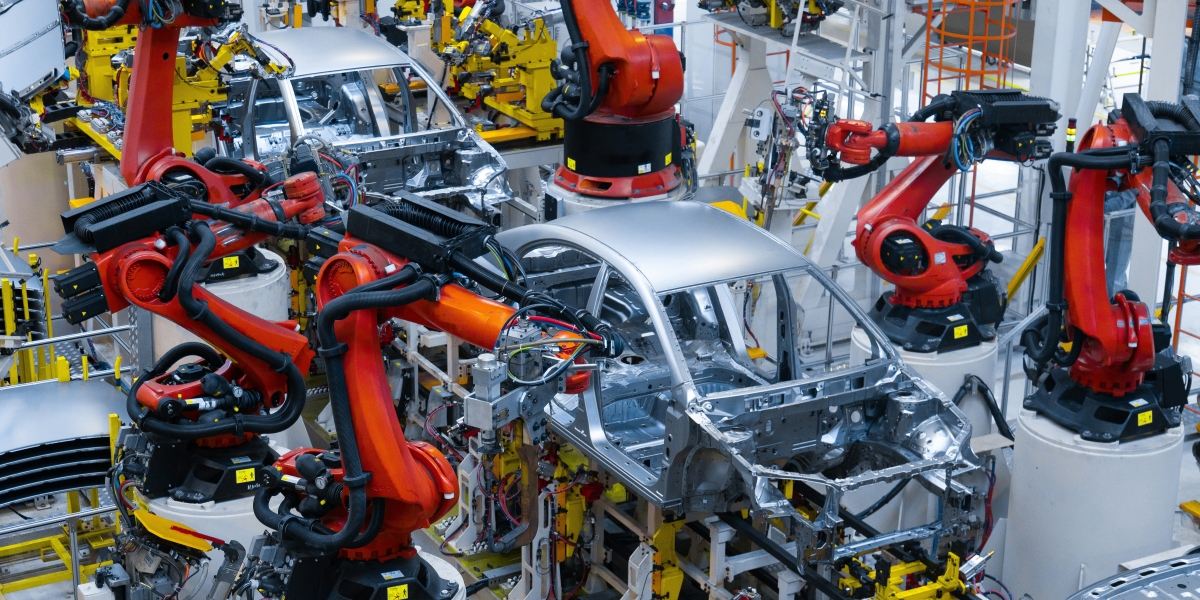
Manufacturers of heavy duty vehicles are in a period when every decision comes with a cost. Markets shift. Supply chains are knotting chains. The technology is developing more quickly than certain factories. One thought has now become clearer than ever in this swirl: smart design is the prerogative of the rich. It is a survival strategy.

Smart design does not always involve making a part harder or a truck greener. It is concerning to know how much individual nuts, welds, sensors, and software layers cost before they reach the production line. As soon as the engineers can see those costs with the naked eye, they can make a difference. That is when real efficiency begins.

How Design Decisions Set the Stage for Cost Savings

Most manufacturers treated cost as a matter for finance departments to address after the engineers completed their creative work. That old way is fading fast. The modern development team understands that the most appropriate time to influence cost is during the initiation of the design process. The modifications done in this first window are cheap and flexible. A change in material choice or geometry can be just two clicks away, rather than the future experience, which involves an expensive retooling process.

Unsung heroes of this phase have been identified using cost modeling tools. They enable teams to estimate the effects of decisions on labor time, supply chains, tariffs, and even global currency movements. Once engineers can test such conditions before cutting the prototype, they begin working on cost transparency rather than cost mystery. It can be used in heavy-duty automobiles, with their sophisticated construction and performance requirements. A clearer view of expenses will prevent engineers from incurring hidden costs and enable them to focus on building a structure that will not go to waste by ensuring durability.

Smart Manufacturing Puts the Theory Into Motion

Intelligent manufacturing technologies can make decisions more concrete than the blueprint developed through cost engineering. The development of manufacturing tools that provide comprehensive virtualization of parts, machines, and processes has been one of the most important developments of recent years. This is a computerized mirror through which the engineer can experiment with everything in the production chain, including the machine’s behavior, before the real world is introduced.

And then, where should we come to be able to experiment with the behavior of a weld in the condition of being under some pressure without ever needing to heat a single atom of metal? Or, without stopping a machine on the factory floor, it can be determined how a machining process will respond to different temperatures, pressures, toolpaths, etc. Such lessons make the production more predictable and highly efficient. They may be applied to reduce a significant portion of waste and errors that would otherwise be very expensive, particularly for heavy-duty vehicles, especially those with custom parts.

Lower downtime is among the best results. Intelligent production units can monitor performance faults in advance, preventing disruptions to production. They can predict failures, monitor equipment health, and notify teams to make real-time changes. Every minute spent on the shop floor will directly translate into a reduction in costs and an increase in output—something to pay attention to in a business where margins will be closely monitored at all times.

When Collaboration Meets Cost Awareness

One of the most interesting features of contemporary cost efficiency is the shift in the mode of cooperation among teams. In the past, engineers were alone throughout the design process. Today, the gurus of cost are virtually and literally co-located so they can make performance- and affordability-balanced choices. Even business talks with suppliers, or competitive benchmarking, where teams research how similar other companies produce parts and how much profit can be generated, are influenced by these meetings.

Cost awareness will also be factored into developing the alliance between manufacturers and suppliers. The negotiable grounds between the two parties are separated into pricing, and the parties do not need to engage in a numbers game to streamline the process. This transparency in the heavy-duty vehicle business, where most parts are sourced from specialized suppliers, makes the supply chain healthier and more efficient.

Designing the Future of Heavy Duty Vehicles

The HDV motorcycle is being electrified, further robotized, and more intelligently automated. The inventions offer significant opportunities and new pricing challenges. Production requirements are high when products undergo rapid change, and the organization needs more than traditional cost measurement processes. They need design strategies that visualize change and adaptable production systems that do not cause significant disruption.

The integration of creative design and creative manufacturing is enabled by a single strategy grounded in open cost awareness, on-the-fly cognition, and joint problem-solving. The two are no longer buzzwords but measurable inputs. The heavy can be made with the best form of durability for the worst conditions, and the smart ones can be made with a sharp, price-friendly design first, before the steel touches the factory floor.