Unlocking Growth Through Custom Automation: How SixtySixTen Transforms Businesses

SixtySixTen, a New York-based B2B consultancy, is redefining how businesses approach growth through the power of automation and bespoke technology solutions. By crafting highly personalized, AI-driven frameworks that cater to each client’s unique needs, SixtySixTen is transforming business operations in industries from finance to logistics. The consultancy’s approach focuses on creating systems that enhance efficiency, drive productivity, and ultimately fuel revenue growth through technology tailored to work within and elevate existing processes.

SixtySixTen’s core mission is to empower companies to operate smarter through scalable solutions that address specific pain points. Unlike conventional “one-size-fits-all” consultancies, SixtySixTen takes a hands-on, partnership-driven approach, building custom frameworks that seamlessly integrate into each client’s workflow. This commitment to adaptability and real-world application has positioned SixtySixTen as an agile alternative to larger, more traditional consulting firms. According to a spokesperson, “At SixtySixTen, we believe in the power of technology to transform not just processes but also possibilities.”

The foundation of SixtySixTen’s success lies in its ability to blend AI, automation, and business process optimization into a single, cohesive strategy. Each project begins with an in-depth analysis of the client’s current operations, which allows SixtySixTen’s experts to pinpoint inefficiencies and areas where automation can have an immediate impact. For instance, with the use of AI-driven automation and robotic process automation (RPA), the company designs and implements systems that not only reduce costs and minimize human error but also allow employees to focus on higher-value tasks, resulting in measurable productivity gains. This level of customized support and understanding enables SixtySixTen to create solutions that drive meaningful change and sustainable growth.

The value SixtySixTen provides is evident in its track record of helping clients streamline processes and achieve significant cost savings. Its unique blend of AI and RPA allows businesses to reduce time spent on repetitive tasks, minimize operational costs, and optimize workflows, all of which contribute directly to increased profitability. Clients have reported notable reductions in overhead expenses and improved operational efficiency as a direct result of SixtySixTen’s tailored automation solutions. These achievements underscore the company’s commitment to practical, outcome-focused solutions that generate tangible results.

One of the defining characteristics of SixtySixTen’s approach is its emphasis on accessibility and seamless integration. Recognizing that even the most sophisticated technology is only as valuable as its usability, SixtySixTen designs systems that are easy to adopt and integrate smoothly with existing platforms. This practical approach ensures that the transition to automation is as efficient as possible, with minimal disruption to day-to-day operations. By focusing on adaptability, SixtySixTen enables clients to benefit from advanced technology without requiring extensive technical knowledge or costly, time-consuming overhauls.

The consultancy’s portfolio extends beyond automation, encompassing services such as cybersecurity, digital transformation, and data analytics. This diversity allows SixtySixTen to serve as a comprehensive partner in growth and transformation, offering tailored solutions that not only streamline workflows but also protect businesses from digital threats, make data more actionable, and drive overall business resilience. As companies across the globe confront an increasingly complex business landscape, SixtySixTen provides the tools and expertise needed to navigate change, stay competitive, and achieve long-term success.

Headquartered in New York, SixtySixTen serves clients both remotely and in-person, with free initial consultations available to businesses in New York, New Jersey, and Connecticut. This accessibility, combined with its highly customized service model, positions SixtySixTen as a standout resource for companies seeking growth through strategic technology investments. By offering an agile, client-centric alternative to traditional consulting, SixtySixTen demonstrates that transformation doesn’t have to come with complexity or a prohibitive price tag.

For those looking to learn more, visit sixtysixten.com or connect with SixtySixTen on LinkedIn to stay updated on their latest innovations and insights. SixtySixTen’s forward-thinking approach to automation and growth through technology has already had a lasting impact on clients, illustrating how tailored solutions and expert guidance can redefine what’s possible for businesses in today’s rapidly evolving market.


Published by: Annie P.

Dr. Peter Rentrop Discusses Innovative Medical Advancements in Cardiovascular Technology

Dr. Peter Rentrop suggests that cardiovascular disease remains a leading cause of mortality worldwide. However, groundbreaking advancements in medical technology are reshaping the landscape of heart care, offering hope and improved outcomes for countless individuals. This article delves into some of the most innovative developments in cardiovascular technology, exploring how they are transforming the diagnosis, treatment, and prevention of heart conditions.

Minimally Invasive Procedures: A New Era of Heart Surgery

Transcatheter Aortic Valve Replacement (TAVR) is a revolutionary procedure that replaces a diseased aortic valve without open-heart surgery. A tiny, self-expanding valve is inserted through a catheter and positioned in the heart, offering a less invasive and safer option for many patients. This breakthrough technology has significantly reduced recovery time and risk for patients with aortic stenosis.

Transcatheter Mitral Valve Repair (TMVR) is another minimally invasive technique used to repair a leaky mitral valve. This procedure involves inserting a catheter-based device to repair the valve, reducing the need for traditional open-heart surgery. TMVR offers a less invasive alternative for patients with mitral regurgitation, improving their quality of life and reducing mortality rates.

Robotic-assisted surgery is revolutionizing the field of cardiac surgery. Advanced robotic systems enable surgeons to perform complex heart procedures with greater precision and dexterity. These systems offer enhanced visualization, improved accuracy, and reduced surgical trauma. Robotic-assisted surgery has the potential to improve patient outcomes and reduce recovery time for a wide range of cardiac procedures.

Advanced Imaging Technologies: Visualizing the Heart in Detail

Dr. Peter Rentrop explains that cardiac CT scans provide detailed images of the heart’s structure and blood vessels, aiding in the early detection of coronary artery disease and other heart conditions. These high-resolution scans allow physicians to assess the extent of plaque buildup in the arteries, identify areas of narrowing, and plan appropriate treatment strategies.

Cardiac MRI is a non-invasive imaging technique that offers a comprehensive view of the heart’s anatomy and function. This advanced imaging modality can help diagnose heart defects, assess heart damage, and monitor treatment response. Cardiac MRI is particularly useful for evaluating heart muscle function, blood flow, and the presence of inflammation.

Nuclear cardiology uses radioactive tracers to provide valuable insights into blood flow to the heart muscle, identifying areas of ischemia or infarction. This technique involves injecting a small amount of radioactive material into the bloodstream, which is then absorbed by the heart muscle. By measuring the distribution of the tracer, physicians can assess blood flow and identify areas of the heart that may be at risk.

Implantable Devices: Pacing the Heart and More

Implantable Cardioverter-Defibrillators (ICDs) are life-saving devices that monitor heart rhythm and deliver electrical shocks to correct dangerous arrhythmias, such as ventricular tachycardia and fibrillation. These devices can significantly reduce the risk of sudden cardiac death in patients with heart rhythm disorders.

Cardiac Resynchronization Therapy (CRT) devices help coordinate the electrical signals in the heart, improving heart function and reducing symptoms of heart failure. CRT involves implanting a device that delivers electrical impulses to the heart, helping the heart chambers to contract more efficiently.

Pacemakers are small, implantable devices that regulate heart rate, ensuring proper electrical conduction and maintaining a steady heartbeat. Pacemakers are used to treat various heart rhythm disorders, including bradycardia and heart block.

Regenerative Medicine: Healing the Heart

Researchers are exploring the potential of stem cell therapy to repair damaged heart tissue. Stem cells can differentiate into various types of heart cells, offering hope for regenerating damaged areas of the heart. Clinical trials are underway to evaluate the safety and efficacy of stem cell therapy for heart failure and other cardiovascular conditions.

Scientists are developing engineered heart tissues that can be implanted to replace damaged heart tissue. These engineered tissues offer a promising avenue for future heart repair. By using advanced tissue engineering techniques, researchers are working to create functional heart tissue that can be transplanted into patients with heart failure.

Wearable Technology: Monitoring Heart Health at Home

Dr. Peter Rentrop notes that smartwatches and fitness trackers can monitor heart rate, blood oxygen levels, and other vital signs, providing valuable insights into overall heart health. These wearable devices can help individuals identify potential health issues and take steps to improve their cardiovascular health.

Remote Patient Monitoring Systems enable patients to monitor their heart health at home, transmitting data to healthcare providers for analysis and intervention. These systems can help identify early signs of heart problems and allow for timely intervention, reducing the risk of serious complications.

As cardiovascular technology continues to evolve, the future of heart care looks increasingly promising. By combining innovative medical devices, advanced imaging techniques, and cutting-edge therapies, healthcare providers are better equipped to diagnose, treat, and prevent heart disease, ultimately improving the quality of life for millions of people around the world.


Published By: Aize Perez

Five Essential Things to Consider When Designing Electronics for Games

Designing electronics for gaming systems is a complex task requiring a deep understanding of the necessary hardware and software. Game developers and hardware designers must work together to create powerful, efficient, and responsive systems. This article will discuss five key factors that must be considered when designing electronics for gaming systems.

Prioritize Power Efficiency

Power efficiency is a critical concern for gaming systems. Not only does it reduce operating costs, but it also helps to improve battery life and reduce heat generation for consoles.

When designing electronics for gaming systems, it is essential to use energy-efficient components and focus on optimizing power consumption. This can be achieved through various techniques, such as using low-power processors, implementing power-saving modes, and enhancing the software to ensure optimal performance.

Focus On Speed And Responsiveness

Gaming systems must deliver a smooth and responsive gaming experience for users. This requires fast processors, high-speed memory, and efficient data transfer. 

When designing electronics for gaming systems, it is essential to choose components that can handle the demands of modern games with their incredible graphics and extensive run times. Additionally, it is important to optimize the software to ensure that it runs efficiently and responds rapidly.

Consider Compatibility With Gaming Standards

Gaming systems must be compatible with a wide range of gaming standards, including standards for graphics, audio, and input devices. 

When designing electronics for gaming systems, it is vital to ensure that the system is compatible with all relevant standards. This will help ensure that the system can be used with a wide variety of games and accessories, giving it longevity in the gaming market and making it widely accessible. 

Use Circuit Simulation Software For Prototyping And Testing

Circuit simulation software is a valuable tool for designing electronics for gaming systems. 

By leveraging circuit simulation software, designers can ensure their prototypes meet performance standards before full-scale production. This can help reduce development costs and time to market. Additionally, circuit simulation software can be used to identify and correct potential design flaws in the early stages of development and production.

Ensure Durability And Heat Management

Gaming systems must be durable enough to withstand the rigors of everyday use. This means they must resist damage from drops, shocks, and temperature extremes. 

In addition to other design considerations, it is crucial to ensure that the system can efficiently manage and dissipate heat. High-performance electronics, especially those used in gaming systems, generate substantial heat during extended periods of use. If not managed properly, excessive heat can degrade sensitive components, reducing their lifespan and causing a drop in overall system performance.

Effective heat management begins with selecting high-quality resilient components under thermal stress. However, components alone cannot solve all thermal issues; well-engineered cooling solutions are also essential. These may include advanced heat sinks, thermal compounds, strategically placed fans, or liquid cooling systems. Implementing these solutions prevents overheating and enables the system to maintain optimal performance levels during intensive gaming sessions, ensuring a smoother and more reliable gaming experience for users.

Published by: Holy Minoza

Comparing AI Chip Leaders in the Tech Race: NVIDIA vs. Intel

The competition in the AI chip market has intensified, with giants like NVIDIA, Intel, AMD, and Qualcomm vying for dominance across several applications. 

In this blog, we have compared the two competitors—NVIDIA and Intel—and analyzed what they will offer in the future.   

Current State of the AI Chip Market

The AI chip market is expanding exponentially thanks to the enhancement of artificial intelligence in other industries

Speaking of NVIDIA, this company is among the market leaders in the industry of AI chips due to its leadership in graphics processing units (GPUs). Thus, it has managed to gain a leading position in AI. Nevertheless, AI’s progress at Intel was not very rapid until the past year to produce chips competitive with NVIDIA. 

It yet holds that both companies have potentially attractive opportunities to sink capital into the emerging market. 

Company Profiles

Understanding the offerings of the two companies will help us evaluate their performance better.  

  • NVIDIA

Comparing AI Chip Leaders in the Tech Race NVIDIA vs. Intel (1)

Photo: Pexels.com

Established in 1993, NVIDIA has established itself as a leader in the AI chip, primarily through its Graphics processing units, which revolutionized the gaming industry and has now become an essential component for AI and machine learning applications. 

With an 88% market share, up a staggering 8% from the previous quarter, Nvidia cemented its supremacy. Nvidia shipped 7.66 million desktop GPUs, up from 7.6 million in Q4 2023 and roughly 5.26 million in Q1 2023.  

  • Intel

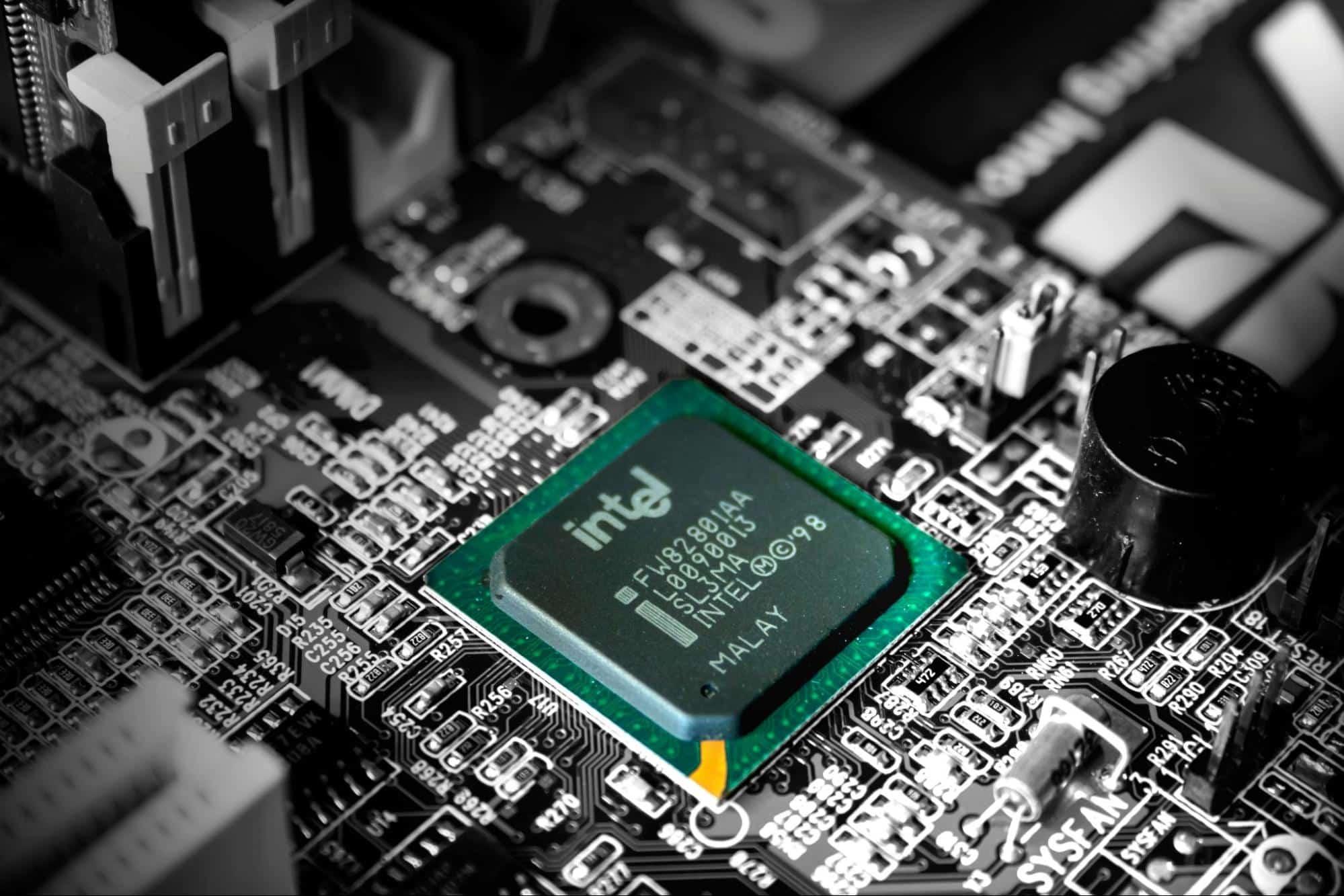
Comparing AI Chip Leaders in the Tech Race NVIDIA vs. Intel (2)

Photo: Unsplash.com

Although Intel used to be one of the industry leaders in the semiconductor business, it has fallen behind in recent years, especially when it comes to developing AI chips compared with its rival, NVIDIA. 

Intel currently has a relatively large market capitalization of around $181.76 billion. However, its revenue growth has been more than stagnant, with a negative CAGR in the last ten years.  

Financial Performance Comparison

The financial performance of these companies will help us understand their standing in the market.  

  • Revenue Analysis

According to the financial results of the fiscal year that ended in 2024, NVIDIA’s total revenue was $60.9 billion, a 126% rise compared with the total revenue of the prior fiscal year. This growth has been dominated majorly by the higher demand of artificial intelligence and data center solutions, making NVIDIA to be in a better standing of being a market leader in the AI chip market. 

While grossing the same in operating income at $14.9 billion, Intel’s revenues for the analyzed period stood at $54.2 billion, which is 14% less compared to the same period in the prior year.  

  • Stock Performance

Analyzing the trends of the stock price changes in both companies in the past year shows a huge difference in stockholders’ confidence. NVIDIA’s stock grew to about 236.25%, proving the market has a great interest in AI-centered business strategy and growth story.  

Intel’s share has risen by only 66.76%, proving that, despite some expectation for the firm’s revival by means of its recovery strategies, it is still considerably behind its competitor NVIDIA in terms of the growth rate.

Technological Innovations

The technological advancements of these companies let investors understand what they can expect in the future.  

  • NVIDIA’s Technological Edge

GPUs in NVIDIA are the key drivers of AI computing today. Current architecture of the company is focused on AI applications and is visible from the Ampere and Hopper architectures. 

However, NVIDIA’s CUDA programming model provides developers with the huge parallel processing power of GPUs and is, therefore, adopted by many AI researchers and developers.  

The September launch, the Gaudi 3 chip, which is expected to have four times the power of the previous one, shows that NVIDIA is maintaining its technological edge.

  • Intel’s Strategic Shifts

Intel has said it is venturing into the foundry service industry and aims to become a leading provider by 2030. This has involved turning its manufacturing capability into a value-added service that also competes with the likes of TSMC and Samsung as a foundry company.  

Intel also continues to directly engage in the development of Artificial Intelligence products, opening the Lunar Lake processors and Intel 18A, which use advanced packaging methods.  

Future Outlook

Understanding the future outlook of these two tech giants provides valuable insights into how the AI chip landscape may evolve.

  • NVIDIA’s Growth Potential

With a commanding market share of approximately 88% in the AI chip sector, NVIDIA has established itself as a leader. The company’s recent financial results show remarkable revenue growth, with a 262% increase year-over-year for Q1 fiscal 2025, reflecting strong demand for AI solutions, particularly in generative AI applications.  Investors should watch out for predictions on the NVIDIA stock for the next decade to make sound investment decisions. 

Introducing the Blackwell platform and other advanced technologies will further enhance NVIDIA’s capabilities in handling trillion-parameter AI models. 

  • Intel’s Recovery Strategies

Regarding the foundry business, Intel wants to become one of the significant players by providing manufacturing services to other firms. 

Intel is developing new products targeting artificial intelligence markets and analysis with new processors, including neural processing units. 

This focus will help further their offerings in consumer electronics, computers, and enterprise in an attempt to distance them from NVIDIA and other specialized AI chip makers.  

Bottom Line 

The NVIDIA vs. Intel fight in the AI chipset market defines the contours of technology’s future.  

AI centered on GPUs from NVIDIA due to its specific architecture as well as its well-established position in machine learning, may allow NVIDIA to lead this mainstream in terms of innovation.  

On the other hand, Intel is leveraging its extensive legacy in CPUs and expanding its AI portfolio with promising hardware and software integration advancements. 

As AI continues to grow in significance, both companies will play pivotal roles, making this tech race one to watch closely for investors and tech enthusiasts alike.


Published by: Khy Talara

How Azeal Digital Became Surrey’s Go-To for Results-Driven Digital Marketing

In Surrey, BC’s bustling digital landscape, one name stands out for local businesses seeking to elevate their online presence and drive significant returns on investment: Azeal Digital. This full-service digital marketing agency has carved a niche for itself as a beacon of strategic expertise and results-driven solutions, catering to the unique needs of the Lower Mainland’s diverse business community.

A Partner in Success for Local Businesses

Azeal Digital’s commitment to fostering growth and delivering exceptional results is evident in its impressive portfolio of clients. The agency has played a pivotal role in the digital success stories of several local businesses, managing seven-figure revenues and driving success through innovative strategies. Among its esteemed clients is Orane International College, a winner of multiple awards in the education industry with over 120 campuses worldwide. Azeal Digital’s partnership with Orane International College in its digital efforts has successfully transformed its online presence, setting a benchmark for what dedicated digital marketing expertise can achieve.

Tailored Digital Marketing Solutions

What sets Azeal Digital apart is its client-focused approach. It offers tailored digital marketing solutions that leverage data-driven insights and strategic advertising on platforms like Google and Facebook. This approach has enhanced companies’ online presence and significantly improved their ROI. By sharing success stories like that of Orane International College and other local businesses, Azeal Digital demonstrates the tangible impact of effective digital marketing campaigns.

Staying Ahead in a Dynamic Industry

The digital marketing landscape is ever-evolving, and Azeal Digital stays ahead of industry trends by continuously adapting its strategies and services. The agency’s expertise spans several key areas, including Digital Marketing Strategy, Search Engine Optimization (SEO), Pay-Per-Click (PPC) Advertising, Social Media Management, Website Development, Content Marketing, Brand Development, Analytics and Reporting, Email Marketing, and Video Marketing. This comprehensive range of services ensures that Azeal Digital can meet the diverse needs of its clients, from enhancing website visibility and driving organic traffic to developing engaging social media strategies and crafting compelling content that resonates with target audiences.

A Testament to Strategic Expertise

Azeal Digital’s success reflects its strategic expertise and unwavering dedication to fostering client growth through tailored digital solutions. The agency helps businesses build and refine their brand identity, ensuring consistency across all marketing channels—from social media to email campaigns—so that every customer touchpoint reinforces the brand’s message. Azeal Digital also closely monitors campaign performance using advanced analytics tools, providing clients with real-time insights and actionable recommendations to enhance their marketing efforts continually. This data-driven, holistic approach to digital marketing has established Azeal Digital as a trusted partner for businesses in Surrey and beyond, empowering them to navigate the complex digital landscape and achieve measurable results.

As digital marketing increasingly becomes essential for business growth, Azeal Digital remains committed to delivering results-oriented solutions and fostering lasting partnerships. Its innovative strategies and client-focused approach drive immediate growth and position clients for long-term success. Azeal Digital is not simply enhancing its online presence—it’s setting new standards for digital marketing excellence, making it Surrey’s preferred agency for businesses aiming to excel in the digital realm.


Published by: Khy Talara

Understanding School Bus Safety Features for Young Riders

By: SEO Mavens

For millions of children, riding the school bus is an integral part of their daily routine, providing accessible and reliable transportation. School buses are designed with safety as a priority, making them one of the safest modes of transportation for children. From advanced safety features to strict regulations, every detail in a school bus’s construction and operation is crafted to minimize risk and protect young passengers in case of an accident.

These safety measures are carefully engineered to ensure that children are protected from the moment they step on board until they reach school or return home. Understanding these features not only helps parents feel more confident in their child’s commute but also emphasizes the critical role that these measures play in maintaining the well-being of young riders each day.

Compartmentalization: The Protective Design of School Bus Seating

One of the distinctive safety features of school buses is compartmentalization, which transforms each seat into a protective space. The seats are arranged closely together and have high, padded backs, creating a cushioned “safety envelope” around each child. This design helps ensure that when a bus suddenly stops or collides with another vehicle, the impact on young passengers is minimized, as they are naturally cushioned by the padded seat backs surrounding them.

Unlike traditional seat belts, compartmentalization offers passive protection without requiring any action from the young riders. In many respects, this safety feature makes the school bus environment unique, turning each seat into a self-contained unit that reduces the risk of injury.

High Visibility to Alert Drivers

School buses are intentionally designed to be highly visible, reducing the chances of collisions with other vehicles. Bright yellow coloring, reflective strips, and flashing red and yellow lights make buses easy to spot, even in adverse weather or low-light conditions. This high visibility alerts drivers to the presence of young passengers, especially during loading and unloading times, encouraging them to exercise extra caution.

In addition to being visible, many school buses are also equipped with stop arms that extend to alert nearby vehicles to stop. These stop arms help create a buffer zone, allowing children to safely board or exit without worrying about passing traffic. Combined, these features turn the bus into a mobile beacon, drawing attention to protect young riders from external hazards. If accidents occur due to a vehicle failing to stop, consulting a Denver bus accident lawyer can help parents understand their rights and explore options for legal recourse.

The Role of Crossing Arms for Extra Safety

Another feature designed with young children’s safety in mind is the crossing arm, a mechanical arm that extends from the front of the bus when it stops. This arm forces children to cross far enough in front of the bus that the driver can see them, ensuring they stay within the driver’s line of sight and avoiding dangerous blind spots. Crossing arms is especially critical for younger riders, who may not fully understand the dangers of crossing too close to a large vehicle.

This seemingly simple addition has been crucial in reducing pedestrian accidents involving children near school buses. Ensuring children cross at a safe distance using crossing arms helps drivers keep an eye on all their passengers, even as they exit the bus and move toward their destination.

Reinforced Structure to Withstand Impact

School buses are built with reinforced steel structures designed to absorb and distribute impact. This structural reinforcement, which includes heavy-duty framing and energy-absorbing materials, protects young passengers by reducing the effect of a collision. The strong frames are especially valuable in side-impact and rollover scenarios, where structural integrity is critical for minimizing injuries.

These reinforced structures make school buses very durable and significantly lower the chance of serious injuries in the event of an accident. This durability is one of the reasons why school buses have an outstanding safety record, giving parents and school districts peace of mind.

Emergency Exits and Safe Evacuation Protocols

In addition to the main entrance, school buses are equipped with several emergency exits, including side doors, rear exits, and roof hatches. These exits are strategically placed to ensure that children can safely exit the bus in case of an emergency. Buses also have clearly marked emergency windows and roof hatches that can be opened quickly, providing multiple routes for evacuation if necessary.

Drivers and students often practice evacuation drills to become familiar with these emergency exits. These drills teach children how to use the exits safely and efficiently, reducing confusion during emergency situations and helping everyone to exit safely when needed.

Advanced Braking and Stability Systems

Modern school buses are often equipped with advanced braking systems and stability control, which help drivers maintain control in challenging conditions. For example, anti-lock brakes (ABS) prevent the wheels from locking up, allowing the driver to steer effectively while braking. Stability control systems can detect skidding and make corrections, providing an extra layer of protection on wet or icy roads.

These technologies enhance the safety of bus operations and reduce the risk of accidents by giving drivers better control in sudden or difficult situations. With these systems in place, buses are better equipped to handle various driving conditions, ultimately ensuring the safety of young passengers.

The Importance of Experienced Drivers and Ongoing Training

Safety features on school buses are just one aspect of ensuring safe transport; experienced and well-trained drivers are equally important. School bus drivers receive extensive training that goes beyond driving skills. They learn how to respond to children’s behavior, manage emergencies, and remain calm under pressure. Many school districts offer ongoing training to keep drivers informed about best practices and new safety protocols.

A skilled bus driver who prioritizes safety while managing a bus full of children is essential. In the unfortunate event of an accident, consulting a bus accident lawyer can provide valuable insight into the legal aspects of school bus safety and help seek justice for any injuries that may occur.

Disclaimer: This article is for informational purposes only and does not constitute legal advice. School bus safety features and protocols vary, and specific questions about legal rights or obligations in the event of a school bus accident should be directed to a qualified attorney.’

Published by: Nelly Chavez

AI for Humanity: How Su He is Designing Solutions that Blend Innovation, Empathy, and Impact

By: Felicia Guo

Su He, a senior design leader focused on AI-driven innovation, faced one of her greatest challenges in 2021 when Zhengzhou, China, was hit by severe flooding that threatened both safety and communication. In the midst of this crisis, Su stepped in with her extensive technical expertise in AI system design, combined with a sense of urgency and empathy that set her approach apart. Leading an AI initiative at ByteDance, she designed a notification system to connect employees across the city, ensuring they could receive the support they needed as much as possible. In the Zhengzhou deployment, Su leveraged AI technology to reportedly increase communication efficiency by as much as 200%. It wasn’t just about work; it was about keeping people connected during an unprecedented time of uncertainty. Since its development, the AI system is said to have sent over 1 million notifications to 150,000 internal users over a span of two years, helping ensure they received support when needed. This effort illustrated Su’s belief that technology should not only be functional—it should fundamentally uplift humanity.

From crisis response to enterprise innovation, Su He has often been noted for her work in applying AI to solve real-world challenges. Throughout her career, Su has demonstrated her ability to leverage technology for tangible societal benefits. Her journey is marked by a noted blend of technical expertise and a deep sense of social responsibility—traits that sources suggest define her leadership style.

At ByteDance, she grew the design team from scratch, reportedly interviewing over 100 candidates and ultimately expanding the team sevenfold. Su He was not merely a team leader but a driving force behind the creation of over 20 enterprise-level products from design to deployment. These products, which included web platforms, mobile solutions, and dashboards, were developed from the ground up under her direction. They are now used by hundreds of thousands of users, contributing to efficiency and enhanced user experiences across a wide spectrum of applications. Her leadership was not just about managing people—it was about transforming ideas into impactful products that addressed complex user needs, guiding projects from conception to successful deployment.

Photo Courtesy: Su He

Su He played a pivotal role in establishing the department design process, setting design standards, and cultivating a team culture at ByteDance. When she joined the department, there was no established design team, and she took the initiative to create a structured design process from the ground up. Su began by developing onboarding materials for new designers and collaborating on the design team’s operational model with PMs, engineers, and other stakeholders. She defined the design system roadmap, introduced UX research methodologies, and created a structured design process that included methodologies, workflows, and quality standards. To foster a collaborative environment, Su initiated internal and external design sharing forums, reportedly involving over 200 participants, including VPs, engineers, and product teams. This initiative helped build a design culture in the department, encouraging collaboration across teams. Su also created and maintained the design guidelines, outlining principles for color, typography, and interaction design. These guidelines were reportedly updated bi-monthly and tailored for 2B products, aimed at upholding high design standards across projects. Through these efforts, Su is noted for having enhanced design quality and efficiency while establishing a strong design culture within the department.

She also developed a career path for designers, helping ensure that each member of her team was supported in their growth as ByteDance expanded. Beyond leading her team, Su launched a mentoring program that sources indicate helped junior designers grow into formal design roles, supporting their professional development and contributing to ByteDance’s products’ quality.

One of Su He’s key contributions at ByteDance was her work on Lark, an enterprise office suite often referred to as the “Chinese version of Slack.” As one of the first five designers to join the U.S. Lark team, Su contributed significantly to its localization for the U.S. market, helping to adjust designs to better resonate with Western audiences. Her localization design supported the transformation of the Lark Office Suite, and her collaboration with the design agency on visual design was instrumental in its international appeal. This work reportedly contributed to an increase in Lark’s NPS (Net Promoter Score) by over 10 points.

While Su was part of a larger team of talented designers, her contributions were pivotal to Lark’s success. By 2021, Lark was ranked among the top three most popular office platforms in China, reportedly with over 4.6 million active users.

The story of Su He is one of intersections—between technology and humanity, leadership and empathy, vision and execution. Whether using AI to respond to a crisis or building platforms that empower millions, she aims to craft designs that are more than just functional—they are deeply meaningful. As AI continues to evolve, Su He remains committed to ensuring that technology serves to uplift and enrich the human experience.

Published by: Martin De Juan

How to Create Etsy Listings That Convert?

Crafting a listing for Etsy that will attract potential buyers and turn them into customers can make a huge difference when selling on Etsy. A good Etsy listing isn’t just about an excellent product photo; it’s also about using the right keywords, optimizing your search, and making sure you make a happy customer. Learn how to create Etsy listings that convert so your shop doesn’t blend in with the crowd.

Creating Etsy Listing for Boosting Conversion

Begin with Keyword Research for Etsy Sellers

A successful Etsy listing starts with effective keyword research. Etsy SEO optimization is essential because keywords help match your products with what buyers are searching for. First, you need to determine what your potential customers might type into the search bar when they’re searching for products like yours. For example, free tools like Etsy’s search bar suggestions or Google Trends can give you an idea of which search terms are popular.

You can also use AI tools for Etsy sellers, like eRank or Marmalead, to find high-traffic keywords with low competition. 

Improve SEO with Titles and Descriptions

After you’ve found your target keywords, use them in your product titles and descriptions. Instead, focus on creating search-friendly titles and descriptions that appeal to buyers.

Your product title should be clear, descriptive, and contain relevant keywords. For instance, if you are selling handmade ceramic mugs, a title such as ‘Handmade Ceramic Coffee Mug – Rustic Pottery Gift for Coffee Lovers’ will be able to capture search intent and provide specific information about the product. 

Tips

In your product description, describe the item, including its size, the material it is made of, and any special features. 

Why Do You Need to Use High-Quality Photos of Your Products

Visual appeal is critical for Etsy, as customers can’t physically interact with products. Investing in high-quality photos can make your listings more enticing, leading to higher conversions. 

Tips

To improve visual impact, showcase different angles of the product and highlight unique features or details. Including lifestyle images—like a wall art piece displayed in a living room—helps customers visualize how the item fits into their own space, increasing their likelihood of purchasing.

Why Do You Need to Prioritize Etsy Shop Security and Backup Data

While creating good listings is essential, it is equally important to save your shop data. This would help protect your Etsy shop. Having backups will save you from unwarranted problems that may crop up, such as technical glitches or accidentally deleted files or folders.

Use theEtsy shop backup feature to save your shop’s information regularly regarding listings, product offerings, customer reviews, etc. That is to say, if something goes wrong with the platform, then you will have a copy of important information. Through tools and software, automation of the backup process saves time and effort. Keep the customer feedback as a backup because positive reviews make a buy. Even if there are technical problems, a record of feedback would be necessary for the credibility of your shop.

Use AI Tools for Better Customer Experience

AI tools can help you simplify many aspects of managing your Etsy shop, from SEO optimization customer inquiries to understanding buyer behavior. Automating some of these tasks will allow you to spend more time creating listings that resonate with your audience. 

AI-based analytics tools can tell which listings send the most traffic and conversions. Using this data can help you make better decisions about product descriptions, pricing, inventory, and adjustments.

Keep Positive Customer Feedback Encouraged

Building trust with new buyers is a powerful tool in the form of customer reviews. Hesitant shoppers can be the deciding factor for positive feedback. If you make a purchase, send a polite follow-up message thanking the buyer and asking them to leave a review. If a customer gives you feedback about something they are concerned about, take care of it immediately and professionally. Not only that, but it also shows other buyers that you care about customer satisfaction. Etsy’s feedback backup feature can help you improve your products and overall customer service.

Conclusion

Thorough keyword research, optimized product descriptions, an emphasis on Etsy shop security, and utilization of AI can bring more customers to the shop and increase sales. A listing is not just about being seen but also about converting those views into actual buyers. Implement these strategies to see growth in your Etsy shop and behold rising conversion rates. Walking that fine line between solid SEO, quality visuals, and customer satisfaction will ensure success in an Etsy shop.

Published by: Martin De Juan

Review: A Personal Experience at the Brooklyn Tech Expo “FALL4AI” Edition on Oct 15, 2024

By: PR Fueled

On October 15, 2024, I had the pleasure of attending the Brooklyn Tech Expo “FALL4AI” Edition, held in the vibrant Dumbo neighborhood of Brooklyn organized by Pulse NYC. Having heard much buzz about the event in the weeks leading up to it, I was eager to experience firsthand what had been touted as one of the significant tech gatherings in the borough. After spending the day engaging with cutting-edge technology, attending informative seminars, and networking with professionals from various fields, I can confidently say that the Brooklyn Tech Expo exceeded my expectations. It was not only a well-organized and dynamic event, but it also brought together a wide array of tech companies and professionals, making it a truly one-of-a-kind experience for Brooklyn.

The Atmosphere and Layout

Upon entering the venue, I was immediately struck by the energy in the room. The spacious industrial setting in Dumbo, with its high ceilings and natural light, provided the perfect backdrop for the expo. The layout was well thought out, with ample space for exhibitors to showcase their products while still allowing attendees to move freely and engage in conversations. Despite the hustle and bustle, the atmosphere was welcoming and encouraged interaction, which made it easy to dive right into discussions with company representatives and fellow attendees.

The diversity of the crowd was impressive. From startups and small businesses to larger established companies, the expo attracted a wide range of participants, all of whom were eager to share their latest innovations and ideas. I particularly appreciated the mix of tech enthusiasts, entrepreneurs, and business leaders, which created a vibrant ecosystem of creativity and collaboration. There was a palpable sense of excitement in the air, as everyone seemed genuinely interested in learning more about artificial intelligence and the broader tech landscape.

Innovative Exhibitors and Companies

One of the highlights of the Brooklyn Tech Expo was undoubtedly the variety of tech companies exhibiting their services and products. As I made my way through the rows of booths, I was consistently impressed by the innovative solutions being showcased. From AI-driven platforms designed to streamline business operations to cutting-edge tech tools, there was something for everyone.

What stood out to me was the value these companies provided. Many exhibitors were offering real-world solutions to common challenges faced by businesses and individuals in the tech space. I had the opportunity to speak with several company representatives, all of whom were more than willing to provide in-depth explanations of their offerings and answer any questions I had. It was clear that the Brooklyn Tech Expo was not just about showing off flashy technology but about delivering value to the community.

Informative, Yet Specific Seminars

The seminars offered at the expo were another highlight of the day. With topics ranging from the basics of AI to more specialized discussions on data analytics, there was a wealth of information to be gained. That said, some of the seminars did feel a bit too specific for my tastes, especially when diving deep into niche technical aspects. While those with a more advanced understanding of AI would have found them highly informative, I found myself a bit lost at times.

However, the seminar that truly stood out to me was the one on “Building AI Agents.” It struck the perfect balance between being informative and accessible. The speaker provided practical insights into how AI agents are constructed and their potential applications in various industries. By the end of the session, I felt like I had gained a much clearer understanding of AI agents and left with actionable takeaways. It was refreshing to attend a seminar that didn’t just skim the surface but also didn’t go too deep into the weeds. I’m certain that many other attendees, both beginners and more advanced professionals, found it just as valuable.

The Cherry on Top: Free Professional Headshots

An unexpected but much-appreciated addition to the expo was the offer of free professional headshots. I wasn’t sure what to expect, but I decided to take advantage of the opportunity, and I’m glad I did! The photographer was highly professional, and the process was quick and efficient. In a world where digital presence is more important than ever, having a high-quality headshot is invaluable. This thoughtful touch added an extra layer of value to the expo, and I’m sure many other attendees appreciated it just as much as I did.

Networking: The Lifeblood of the Expo

Throughout the day, I had the chance to meet and connect with a diverse group of professionals from all walks of life. From entrepreneurs looking to expand their businesses to tech experts sharing their latest projects, the networking opportunities were abundant.

What I found most beneficial was the relaxed yet focused atmosphere that encouraged genuine conversations. It wasn’t just about exchanging business cards; it was about forming meaningful connections that could lead to future collaborations. The expo provided the perfect environment for fostering these interactions, and by the end of the day, I had not only learned a great deal but also expanded my professional network significantly.

A Unique and Impactful Event for Brooklyn

Overall, the Brooklyn Tech Expo “FALL4AI” edition was an outstanding experience, both in terms of content and execution. It was clear that the organizers, Pulse NYC Tech Events, had put a lot of effort into making this event a success. The combination of insightful seminars, cutting-edge exhibitors, and excellent networking opportunities made it a day well spent. 

For a borough like Brooklyn, which is often overshadowed by Manhattan’s tech scene, the Brooklyn Tech Expo was a refreshing reminder of the talent and potential within our community. With hundreds of professionals in attendance, it was clear that there is a hunger for more events like this, and I have no doubt that the expo will continue to grow in the coming years.

I left the event feeling inspired and energized, and I’m already looking forward to the next edition. For anyone in the tech industry, whether you’re a startup founder, an established business, or simply a tech enthusiast, the Brooklyn Tech Expo is a must-attend event. It’s an excellent opportunity to learn, network, and discover what’s next in the world of technology.

Published by: Nelly Chavez

How to Build a Standout App for Today’s Competitive Market

When considering quality apps, a smooth and simple user experience is essential. High quality often marks the difference between an app’s success and failure in a saturated market. But what defines a quality app?

High quality in the application is expressed not only in a spectacular design but also in fast performance, strong security, and ease of use. Users expect efficient solutions and personalized experiences; excellent apps deliver this without compromise.

Understanding the elements that make a quality app can improve your product and increase user satisfaction. Read on to explore the key factors that lead to a successful app in today’s competitive world.

High-Quality App Settings

Several important criteria define an application’s high quality. These criteria provide a great user experience, fast performance, and stability. Each criterion contributes to the application’s overall structure and its ability to advance in a competitive market.

Functionality and Performance

A quality application operates smoothly and without errors. Fast loading times and quick responses to user actions are essential for achieving high performance, directly impacting user satisfaction.

Accessibility

The application should be accessible to all users, including those with disabilities. Adapting to a font size defined by the user and providing touch surfaces with a size of at least 48x48dp is essential to enabling accessibility and usability for everyone.

A Visual Experience

An intuitive and consistent design gives the application a significant visual advantage. The interface must be easy to use and adapt to the supported screens and displays to avoid overlapping or cutting elements on the screen. A quality visual experience helps with user retention.

Secure

User data security must be a main priority. Encryption and privacy protection are essential. Compliance with standards and regulations makes the application more reliable and secure.

Compatibility

Compatibility with a variety of platforms and devices, including different versions of operating systems, gives the application a clear competitive advantage. Wear OS apps, for example, must run on devices running Wear OS version 3.0 or higher to ensure an optimal user experience.

Quality Tests

A series of essential tests are performed to ensure high quality in the application, focusing on technical functionality and user experience. These tests help identify any potential issues and refine the app’s performance for optimal user satisfaction.

Technical Tests

  • Stability and performance: The application’s stability and performance are verified by checking for consistent operation without crashes. This includes testing load times, responsiveness to user actions, and efficient use of device resources to ensure a smooth user experience.
  • Security: Application security and user data protection are managed through penetration tests and data encryption. These measures help identify potential vulnerabilities and ensure user data remains secure.
  • Compatibility: Compatibility tests are conducted across various operating systems and devices, including iOS and Android, to ensure consistent functionality and user experience on all supported platforms.
  • User experience: The app’s user experience is optimized by carefully evaluating both the user interface (UI) and user experience (UX) to ensure it feels smooth, intuitive, and engaging for users.
  • Deep Links: Deep links are implemented to create a seamless transition from the website to the app, enhancing user experience and boosting conversion rates by guiding users directly to relevant content within the app.
  • Performance measurement: Tools like Google Analytics 4 are used to monitor app performance, track user interactions, and optimize marketing campaigns, providing insights that help refine user engagement and improve overall effectiveness.

Practices for Developing Quality Applications

Application development requires advanced practices to ensure quality. Two key aspects are a convenient user interface and security and privacy.

Convenient User Interface

The user interface is designed to be both intuitive and accessible, ensuring it functions well across various screen sizes and resolutions. Graphic elements are tested to appear sharp and clear in all configurations, which helps maintain a consistent user experience. To deliver a smooth, user-friendly experience, repeated testing is conducted to confirm that core operations are intuitive and the app remains easy to navigate, regardless of the device used.

Security and Privacy

In development, security and privacy are prioritized to build user trust. User data is securely managed with encryption and secure authentication methods to protect sensitive information. Strict privacy standards and rules are followed throughout development, ensuring robust privacy protection for all users.

Quality Improvement Tools

Various tools help improve the quality of the application. They allow us to ensure that the product will maintain a high standard.

Project Management Software

Project management software streamlines the development process. Tools like Jira and Trello are used to track tasks and foster collaboration among team members. These platforms help ensure that each phase, from design to publishing, is completed on schedule and adheres to planned workflows.

Data Analysis Systems

Data analysis systems support independent testing of application performance. Tools like Firebase Test Lab enable automated testing and straightforward performance analysis. These tools provide essential data for improving user experience and identifying issues, helping to refine and optimize the application effectively.

Advantages of a Quality App

A quality app can indeed be transformative in today’s competitive market. It combines an exceptional user experience with robust data security and privacy protection. By integrating intuitive design, rapid performance, and accessibility, such an app attracts users and keeps them engaged and satisfied. These elements build trust and make the app stand out, driving long-term success in a crowded landscape.

Focusing on comprehensive testing and utilizing advanced tools is key to achieve a high-quality app. Project management and data analysis tools streamline development, ensuring the app meets user expectations. The app’s functionality, security, and user satisfaction are continually optimized by maintaining rigorous testing and leveraging insights from these tools. Ultimately, investing in a quality app delivers clear, tangible results by fostering engagement and loyalty.

Frequently Asked Questions

What makes a quality app in the current market?

Excellent functionality and performance, accessibility for users with disabilities, an intuitive visual experience, comprehensive security, and compatibility with various platforms and devices characterize quality apps. It is important that the application works without errors, loads quickly, and provides a consistent user experience. High quality also requires strong data security and constant updating to improve the user experience and meet their changing needs.

What tests are recommended for testing the application?

The recommended tests include stability and performance tests, security and compatibility with different operating systems, and examination of the user interface and user experience. These tests help identify faults, improve the application, and ensure that it meets high standards in every technical and useful aspect, including accessibility and information security.

How can the user experience be improved?

Improving the user experience requires an intuitive and accessible user interface adapted to different screen sizes and resolutions. It is important to invest in the security of user data through encryption and secure authentication methods. In addition, tracking user interactions with tools like Google Analytics 4 can provide insights for improvement and optimization.

Published by: Martin De Juan