How does NanoRobotics Change Drug Delivery Technology in the Health Sector?

The journey to powerful treatment has often been fraught with demanding situations, particularly in delivering the needed medications. Imagine a world wherein medicines may be dispatched to unique cells or tissues in the body, minimizing facet results and maximizing therapeutic blessings. Until recently, such precision was merely a dream. However, this dream is swiftly becoming a fact with the advent of nanorobotics technology in the health sector.

What is Nanorobotics Technology in the Health Sector?

Nanorobotics technology in the health sector includes designing, growing, and working tiny robots on the nanometer scale, smaller than a strand of hair. These nanobots, ready with state-of-the-art machinery, are programmed to navigate the complex pathways of the human frame with first-rate precision. Their diminutive size allows them to get the right of entry to even the most inaccessible areas, establishing doors to many scientific opportunities.

See also the Latest Technologies in the health sector.

How Nanorobotics Change Drug Delivery Technology in the Health Sector?

Integrating nanorobotics into the drug transport era represents a paradigm shift in Technology in the Health Sector. Gone are the times of one-size-suits-all remedies and indiscriminate drug distribution. Instead, nanorobotics offers a personalized remedy technique tailored to every affected person’s needs. The projected growth of the global medical devices market is approximately $671.49 billion by the year 2027.

Advancements in Precision Targeting:

  •  The Nanorobotics era enables specific concentration on cells or tissues inside the body.
  •  These tiny robots can navigate via complicated organic pathways with remarkable accuracy.

Minimization of Side Effects:

  •  By delivering medicines directly to the meant web page of motion, nanorobotics minimizes collateral damage to healthy tissues.
  • This centered approach reduces the hazard of adverse reactions, enhancing the protection profile of treatments.

Sustainable and Biocompatible Materials:

  • Nanorobotics Technology in the Health Sector is frequently manufactured from biocompatible materials that are safe for use in the human frame.
  • These sustainable materials decrease the danger of immune reactions or toxicity, ensuring nanorobotic drug shipping structures’ lengthy-term safety and efficacy.
  • By utilizing renewable properties and environmentally friendly manufacturing approaches, nanorobotics contributes to sustainable healthcare practices.

Enhancement of Therapeutic Efficacy:

  • Nanorobotics optimize drug concentrations on the purpose internet net web page, maximizing the recovery efficacy of medicinal pills.
  • By bypassing biological barriers, these miniature machines ensure that treatments are potent and effective.

Real-time Monitoring Capabilities:

  •  Some nanorobotics structures incorporate sensors for actual-time tracking of organic parameters.
  • Healthcare carriers can tune treatment progress and make necessary adjustments, making sure the affected person gets the right results.

Customizable Drug Delivery Systems:

  • Nanorobotics Technology within the Health Sector gives the flexibility to customize drug shipping structures in keeping with the particular desires of male or female patients.
  • By adjusting parameters, which include dosage, timing, and launch kinetics, nanorobotics can tailor remedy regimens to optimize therapeutic consequences.
  • These customizable drug transport systems hold promise for precision medicine, taking into consideration personalized remedy plans based totally on genetic, physiological, and environmental factors.

Integration with Imaging and Diagnostic Techniques:

  •  Nanorobotics may be integrated with imaging and diagnostic strategies, taking into consideration simultaneous drug shipping and actual-time monitoring of ailment progression.
  • By combining healing and diagnostic functionalities, nanorobotics enables early detection, targeted remedy, and monitoring of healing responses.
  • This integrated method enables extra comprehensive information on ailment pathology and allows personalized remedy techniques.

Potential for Non-invasive Administration:

  •  Nanorobotics maintain the ability for non-invasive drug management, getting rid of the need for invasive tactics inclusive of injections or surgical procedures.
  • Through targeted transport via inhalation, ingestion, or transdermal routes, nanorobotics provide a less invasive and more affected person-friendly approach to drug delivery.
  • Non-invasive management routes reduce patient discomfort, minimize the chance of complications, and improve remedy adherence.

Potential for Remote-controlled Drug Delivery:

  •  Advances in nanorobotics allow far-flung-managed drug delivery structures, permitting healthcare carriers to govern drug release and dosage strictly.
  • Remote-managed nanorobotics may be activated or deactivated using outside stimuli consisting of magnetic fields, ultrasound, or light, providing on-demand drug transport.
  • This technology holds promise for focused treatments in difficult-to-reach regions of the body and for treating diseases with dynamic or fluctuating signs and symptoms.

Collaboration with Multidisciplinary Teams:

  •  Developing and imposing a nanorobotics era in drug transport calls for cooperation between multidisciplinary scientists, engineers, clinicians, and regulatory specialists.
  • By leveraging various understandings and perspectives, these collaborative efforts power innovation, cope with technical challenges and ensure the interpretation of nanorobotics from the laboratory to medical practice.
  • Multidisciplinary collaboration fosters moral issues, regulatory compliance, and affected person-centered procedures in developing and deploying nanorobotic drug transport structures.

Final Verdict

Nanorobotics technology is an excellent example of technology in the health sector. It is impacting drug transport within the fitness sector. It opens a new window of precision medication. With their remarkable precision, minimized aspect results, and more desirable efficacy, nanorobotics hold the key to unlocking progressive remedies and enhancing patient effects. Harnessing those tiny titans’ abilities, healthcare’s destiny looks brighter.

For more insights on cutting-edge technology in the health sector and beyond, visit Technew.

Published by: Nelly Chavez

EssayWriter Review: An AI Essay Writer That Transforms Essay Writing

Essay writing has been a significant academic task for centuries, demanding creativity, critical thinking, and mastery of language. With the increasing digitalization of education, AI essay writers have emerged to assist in the writing process, fulfilling the need for efficient and effective writing support. 

EssayWriter is one of the AI essay writers that has gained popularity in recent years. It excels in producing original, well-researched, and stylistically appropriate essays, making it an essential tool for anyone seeking efficient and high-quality essay writing.

But for users who are not familiar with EssayWriter, it still remains a mystery. Let’s uncover its key features in our EssayWriter review.

What Is EssayWriter

EssayWriter Review: An AI Essay Writer That Transforms Essay Writing

Photo Courtesy: essaywriter.io

EssayWriter represents a cutting-edge tool in the field of AI essay generators. It is designed to cater specifically to academic writing, among other genres. 

This AI essay writer stands out due to its focus on academic requirements and its range of functionalities tailored to optimizing the essay writing process. Its particular combination of features strives to deliver aid to those tackling complex writing projects, such as research papers or theses.

Core Functionalities of EssayWriter

What makes EssayWriter stand out from its competitors is its extensive features:

AI Autocomplete

One of the pillars of EssayWriter’s usefulness is its AI autocomplete feature. This function assists writers in overcoming writer’s block by suggesting subsequent lines of text. The tool takes initial input and constructs subsequent sentences, making it an excellent resource for those seeking smoother content flow and coherence in their writing endeavors.

Integrated Research Library

At the heart of any academic work lies research. EssayWriter provides a research feature that streamlines the process of managing references and sources, thereby enhancing the writing workflow. This resource becomes particularly invaluable when sourcing factual data and relevant context to bolster arguments within an essay.

In-Text Citation Generation Across Styles

Citation generation is integral in academic writing, and EssayWriter’s in-text citation generation feature simplifies the task by supporting multiple citation formats. This function ensures that sources are attributed correctly within the text, adhering to academic standards.

Inclusion of Multilingual Support

Diversity in language support sets EssayWriter apart as a uniquely accommodating AI essay writer. It extends its capabilities to various languages, thereby broadening its accessibility to writers across the globe. Its multilingual support stands as a testament to its inclusivity, catering to a wide spectrum of linguistic preferences.

Embedded Plagiarism Checker

Ensuring originality in writing is crucial, especially in the academic space. EssayWriter comes equipped with a built-in plagiarism checker, a feature that allows writers to verify the uniqueness of their work. This tool is instrumental in upholding the integrity of academic writing and preventing accidental plagiarism.

Covered All Topics

EssayWriter’s versatile nature caters to various writing requirements across different disciplines and levels of education. From assisting with lengthy essays to providing inspiration for research topics, the AI essay generator is an adaptable tool.

Grammar and Spelling Check

EssayWriter also includes a grammar checking tool that helps users identify and rectify errors, thus improving the overall quality of the text.

Who Benefits from EssayWriter?

EssayWriter, an AI essay writer, caters to a diverse user base, with a primary focus on:

Target Audience: Academic Writers

EssayWriter targets academic writers, identifying the challenges specific to this group and tailoring its services towards meeting these distinct needs. It has positioned itself as an intelligent colleague by providing high-quality content suggestions and writing assistance.

Aiding Non-Native English Writers

Non-native English writers benefit significantly from EssayWriter’s language support. The tool makes writing in English more approachable, especially for students in English-speaking educational institutions.

EssayWriter’s User Experience

Easy Steps to Get Started

Users can effortlessly begin with EssayWriter through a straightforward sign-up process that leads them quickly to content creation. EssayWriter positions itself not just as an AI essay generator but as a seamless AI essay writing assistant from start to finish.

Insights on Content Generation Quality

The generated content quality is an aspect where EssayWriter excels. The platform is designed to deliver well-structured, coherent, and appropriate content, which is particularly discernible in the academic writing it aids.

Language and Translation Capabilities

EssayWriter steps up with impressive translation capabilities and language support. Multilingual functions allow the platform to serve a broad audience, contributing significantly to its appeal as a global writing tool.

EssayWriter Versus ChatGPT

Comparing EssayWriter to ChatGPT brings to light each platform’s uniqueness. Though built on similar AI foundations, EssayWriter offers specialized functionalities more suited to academic writing, while ChatGPT tends to have a broader, yet different, range of applications.

EssayWriter emphasizes educational writing, differentiating itself from other AI essay writing tools that may lean towards content generation for marketing or creative writing purposes. Its features are developed with the academic writer in mind, providing focused support for this segment.

For students struggling with essay writing, EssayWriter is a better option—not just to overcome writer’s block but also to ensure that academic standards are met and maintained.

Why EssayWriter Shines from Other AI Essay Generators?

While many AI essay generators often produce robotic and low-quality essays, EssayWriter distinguishes itself in several ways.

Addressing Originality Concerns

Originality remains a chief concern in academic writing, and EssayWriter addresses it head-on with its plagiarism checker and originality-first approach in content generation.

Enhancement Suggestions

Continual improvement can further the capabilities of EssayWriter, such as enhancing its ability to understand context deeply and expanding its database of research materials.

The Verdict on Academic Utility

From the perspective of academic utility, EssayWriter earns high marks for its commitment to enhancing the essay writing process, standing as a robust companion in the academic writer’s toolkit.

Conclusion

In the dynamic landscape of educational technology, EssayWriter stands out as more than just an AI essay writer. It’s a writing companion that adapts, learns, and empowers users. As it continues to evolve, its promise of quality content and time-saving solutions remains unwavering. 

Whether you’re a student, researcher, or professional, EssayWriter is a must-have AI essay writing tool. Explore it today and witness how it transforms your writing process, boosts academic performance, and simplifies the art of essay writing.


Published By: Aize Perez

MWC: ZTE’s ‘Better for All’ Vision Leads with Revolutionary 5G and AI Innovations

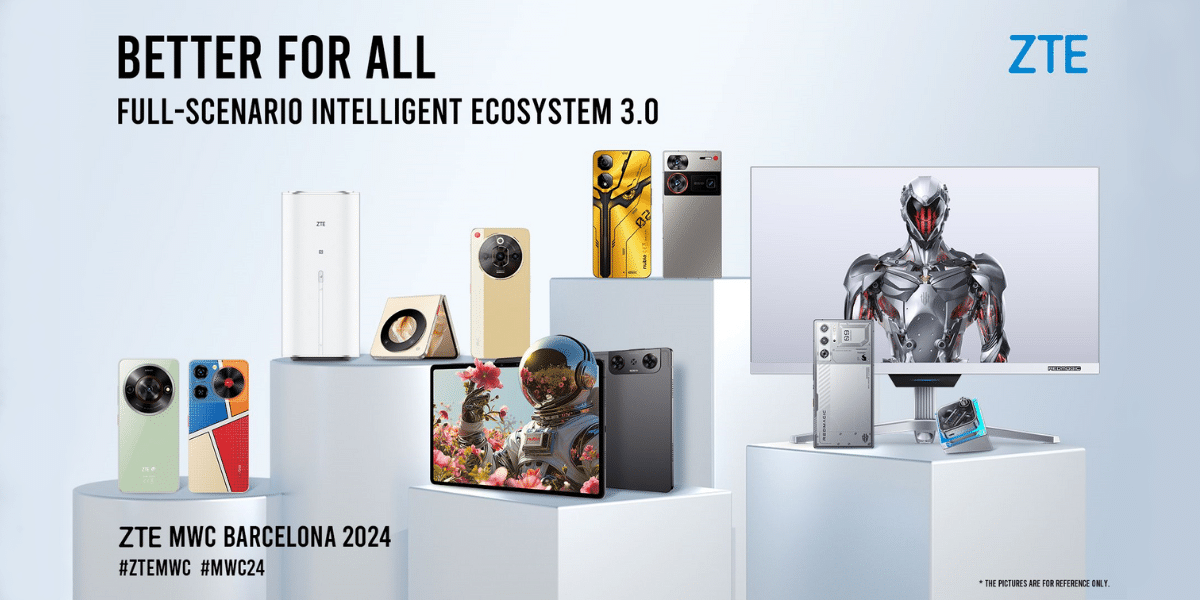
ZTE has unveiled its “Better for All” vision at MWC24, introducing a range of groundbreaking 5G and AI innovations. This innovative move aims to redefine connectivity and promises to improve daily life, taking a significant step towards a smarter and more inclusive future for everyone.

MWC: ZTE’s Pioneering Technology Showcases 

ZTE has once again proven its prowess at the forefront of technological innovation by introducing cutting-edge technologies and devices. The company’s commitment to driving the future of connectivity through advanced 5G solutions, AI-driven applications, and groundbreaking products that promise to transform everyday experiences.

ZTE has made a significant milestone in its journey towards creating a “Better for All” future by unveiling the world’s first 5G+AI-powered eyewear-free 3D tablet and launching a comprehensive range of smart, interconnected devices at MWC.

Through these innovations, ZTE sets new standards in the tech industry and reinforces its dedication to enhancing global digital transformation. The company is also committed to making sophisticated technology accessible to everyone.

MWC: ZTE’s Full-Scenario Intelligent Ecosystem 3.0

The Full-Scenario Intelligent Ecosystem 3.0 is designed to cater to the evolving needs and preferences of users by offering a comprehensive suite of services and functionalities that span various aspects of daily life, including Sports & Health, Audio & Visual Entertainment, Business & Travel, Home & Education, and Intelligent Driving.

At its core, the ecosystem integrates a unified AI platform that harmonizes Large-Scale AI Models, Big Data, and cutting-edge 3D technology to facilitate full-scenario connectivity, multi-dimensional perception, and multi-end integrated computing. All these features effectively enhance user experiences and foster a more intuitive interaction with technology.

One of the most notable innovations unveiled by ZTE is the nubia Pad 3D II—the world’s first 5G+AI-powered eyewear-free 3D tablet. It utilizes Neovision 3D Anytime technology, allowing for the real-time conversion of 2D content into immersive 3D visuals.

The nubia Pad 3D II represents a significant advancement over its predecessor, offering a more natural and clearer 3D display without the need for special glasses. This enhancement is complemented by an 80% increase in 3D resolution and a 100% improvement in 3D brightness. Added features include 3D multi-screen collaboration, 3D projection, real-time 3D preview, and 3D photography.

Moreover, ZTE’s collaboration with China Mobile underscores a shared commitment to exploring the potential of eyewear-free 3D technology and its applications. This partnership is poised to drive technological breakthroughs and contribute to the development of the industry.

MWC: ZTE 5G Mobile Products

ZTE’s dominance in the mobile internet product sector is further solidified with its 5G FWA & MBB products, which have led the global market for three consecutive years. The introduction of the world’s first AI 5G indoor FWA, the ZTE G5 Ultra, highlights ZTE’s innovative approach to network management. The G5 Ultra optimizes bandwidth utilization and enhances network performance across various scenarios by employing a multidimensional AI network algorithm.

ZTE’s advancements in the automotive ecosystem are exemplified by the ZTE RCU product, which integrates 5G, V2X, and MEC technologies. Equipped with superior communication and computing capabilities, it supports intelligent traffic systems by recognizing people and vehicles on the road, thereby enhancing road safety and driving efficiency.

Building on its impressive portfolio of 5G mobile products, ZTE continues to lead the market with its innovative solutions. The release of the nubia Flip 5G is a significant milestone as it is the first flip smartphone designed specifically for the youth market. It boasts a 6.9-inch 120Hz ultra-clear flexible inner screen and a multifunctional high-definition outer screen that allows users to interact with multiple applications without having to unfold the device.

The nubia Flip 5G combines aesthetics with functionality through its high-strength alloy steel hinge, which offers a compact yet robust design. The starting price for this phone is 599 USD.

The nubia Focus 5G series offers a flagship-level 108MP dual-camera system, enhanced by the Neovision photography system, starting from 199 USD. The nubia Music series features dual 3.5mm headphone jacks, an AI extreme volume algorithm, and high-quality large speakers, starting from 149 USD. The nubia Neo 2 5G is designed for gamers, with a dual gaming touch shoulder button for improved control, starting from 199 USD.

To broaden its global footprint, nubia plans to launch new products in various markets, including Europe, Latin America, Southeast Asia, the Middle East, and Africa, starting March 2024.  

ZTE’s participation in MWC24 and its unveiling of a suite of innovations highlight the company’s dedication to creating a future that is “Better for All.” Through its focus on AI, 5G, and immersive technologies, ZTE is not just innovating for advancement but strategically positioning itself as a catalyst for global digital transformation. 

Published by: Martin De Juan

Unveiling the Significance of Hyperlocal Safety Data with Michael Becker and GeoSure, Inc.

The term ‘hyperlocal safety data’ may seem niche, but its impact is monumental, influencing our everyday experiences and reshaping our interactions within our communities. Michael Becker leads this transformative wave alongside GeoSure, Inc., whose innovative endeavors are redefining how GeoSure comprehends and navigates the surroundings. Their pioneering work has garnered them a spot among Fast Company’s Most Innovative Companies, highlighting their significant contributions to enhancing how GeoSure perceive safety in our immediate environments.

GeoSure’s revolutionary platform offers an unprecedented glimpse into the safety levels of neighborhoods, providing detailed insights that go beyond general statistics. This platform, the first of its kind, quantitatively assesses safety at a granular level, offering tailored insights for diverse groups including women and the LGBTQ community, and spanning various categories such as health and medical safety. This global reach, covering over 400,000 locations, signifies a monumental leap in how safety data is perceived and utilized.

The introduction of GeoSafeScores™ by GeoSure has been a game-changer, acting as a modern-day census that quantifies safety, thereby fostering a culture of safety. This initiative is not just about numbers; it’s about enabling a safer, more predictable world, as envisioned by Michael Becker. The company’s commitment is evident in its innovative use of AI to deliver actionable insights, bridging the gap between businesses and consumers with its B2B and B2B2C models.

The implications of GeoSure’s data are far-reaching, influencing not just individual decisions but also broader economic and social landscapes. Enhanced safety data contributes to stronger destination reputations, increased trust, and boosted tourism, all of which culminate in a superior quality of life. This ripple effect of benefits showcases the transformative potential of reliable safety information.

Comparing their contributions to the US Census, GeoSure elevates safety to a crucial infrastructure element, advocating for a universal ‘right to know’ about safety, much like the right to access demographic data. This paradigm shift underscores a proactive approach to community safety, encouraging informed decision-making and proactive community engagement.

GeoSure’s extensive partnerships, ranging from travel industry leaders to multinational corporations, underline the widespread recognition and adoption of their innovative safety metrics. These collaborations are a testament to the company’s influence and its mission to enhance safety awareness on a global scale.

In an era where risks and uncertainties abound, the availability of precise, actionable safety data is not just beneficial—it’s essential. GeoSure’s commitment to this vital service reflects a broader societal responsibility, emphasizing safety as a cornerstone of community well-being and global connectivity.

Engagement with GeoSure and its pioneering platform is facilitated through various channels, including social media and digital marketplaces, ensuring that the community and prospective partners are always informed and connected. This accessibility underscores GeoSure’s commitment to embedding valuable safety insights into everyday discourse, empowering individuals and communities with the knowledge to make safer choices.

Through their groundbreaking work, GeoSure, Inc., and Michael Becker are not merely forecasting a future where safety data is integral to daily life; they are actively crafting it, ensuring a landscape where informed decision-making leads to safer, more secure communities. Their efforts exemplify a forward-thinking approach to safety, one that promises to enhance the well-being and prosperity of societies around the globe.


Published By: Aize Perez

HostColor.com Announced AMD-powered Dedicated Servers In New York Data Centers

HostColor.com has made the announcement that its AMD-powered Dedicated Servers are now available in New York City and the New York metropolitan area. With the upgrade of its hosting service portfolio of New York Dedicated Servers, HostColor.com (HC) now offers bare-metal servers that feature AMD Ryzen and AMD EPYC processors, high-speed NVMe SSD-based storage, and 30,000 GB data transfer quota on a 10-gigabit network connection.

The company’s most popular AMD-powered server configuration is based on an EPYC 7443P processor that features 24 CPU Cores and 48 Threads at 2.85 GHz. The server comes with 256 GB RAM, 2x 2TB NMVe, and a 10 Gbps network bandwidth connection with a default data transfer quota of 30 TB. Like all other bare-metal servers, this configuration can be scaled in RAM, storage capacity, and data transfer quotas. The configuration is available in the New York metropolitan area.

HostColor.com delivers Dedicated Hosting services in New York from data centers located at 25 Broadway, 60 Hudson St, 111 8th Avenue, 85 10th Avenue, 601 West 26th Street, 150 Varick Street, and 7 Teleport Dr, Staten Island in New York, and 480 N Bedford Rd in Chappaqua, NY. The company’s POPs in the Tri-state area are located in New Jersey at 165 Halsey St in Newark, 2 Emerson Ln, 275 Hartz Way, 755 Secaucus Rd, and 800 Secaucus Rd in Secaucus, 5851 West Side Ave in North Bergen, 1400 Federal Blvd in Carteret, and 101 Possumtown Rd in Piscataway Township.

All HC’s AMD Dedicated Servers delivered from data centers in New York and the Tri-State area are configured on-demand with an operating system or specific virtualization technology to create cloud-based application environments that can be used for single-tenant or multi-tenant private or public dedicated clouds.

Semi-Managed Server Infrastructure

All New York-based Edge Dedicated hosting services delivered by HostColor.com, including the AMD-based servers, are Semi-Managed. The company’s administrators install and configure the servers to the client’s custom bare-metal or cloud-based technology environment, reinstalling the operating system per request and helping server owners troubleshoot any operating system, networking, or software configuration issues.

In contrast with the lack of infrastructure service support on the major clouds and the additional charges for customer support they impose on their clients, the Semi-Managed Dedicated Servers improve application delivery while saving business owners a lot of human and financial resources that are usually spent on network management and cloud server maintenance.

Choice of Edge Data Centers

HostColor operates a platform for the provisioning of Semi-Managed, US Dedicated Servers with 1 Gbps to 30 Gbps bandwidth rate ports from 80 edge data center locations worldwide.

As of March 2024, the company sources U.S. Edge servers from various locations across the country, including Albany, New York; Albuquerque, New Mexico; Ashburn and Herndon, Virginia; Atlanta, Georgia; Amarillo, Austin, Dallas, El Paso, Houston, and San Antonio, Texas; Bend and Portland, Oregon; Billings, Montana; Birmingham, Alabama; Boise, Idaho; Cambridge/Boston, Massachusetts; Casper, Wyoming; Cedar Rapids, Iowa; Charlotte and Raleigh, North Carolina; Chicago, Illinois; Cincinnati and Cleveland, Ohio; Denver, Colorado; Detroit, Michigan; Honolulu, Hawaii; Indianapolis, Indiana; Jackson, Mississippi; Jacksonville, Miami, and Tampa, Florida; Kansas City and St. Louis, Missouri; Las Vegas, Nevada; Little Rock, Arkansas; Fresno, Los Angeles, Orange County, Sacramento, Santa Clara, and San Diego, California; Madison, Wisconsin; Miami, Florida; Minneapolis, Minnesota; Nashville, Kentucky; New Orleans, Louisiana; New York City and the State of New York; Omaha, Nebraska; Philadelphia and Pittsburgh, Pennsylvania; Phoenix, Arizona; Salt Lake City, Utah; Seattle and Spokane, Washington; and Tulsa, Oklahoma.

In addition, HostColors also operates in other North American Edge locations like Montreal, Toronto, and Vancouver in Canada. Across Europe, HostColor provides dedicated hosting services from edge data centers located in Glasgow, Edinburgh, and London in the UK; Athens in Greece; Amsterdam and The Hague in the Netherlands; Paris and Reims in France; Frankfurt and Munich in Germany; Barcelona, Madrid, and Zaragoza in Spain; Milan in Italy; Vienna in Austria; Helsinki in Sweden, along with ten other European cities. Moreover, the company’s Asian on-net edge server locations span Bangkok, Hong Kong, Jakarta, Kuala Lumpur, New Delhi, Seoul, Singapore, Taipei, and Tokyo.

In South America, HostColor.com delivers bare-metal and cloud hosting services from data centers in Buenos Aires and São Paulo.


Published By: Aize Perez

Biz-Koneqt: Mobile App Empowering Entrepreneurial Connections

In the fast-paced world of modern business, establishing meaningful partnerships, securing investments, and fostering collaboration across borders remains a significant challenge for entrepreneurs globally. Recognizing this universal struggle, Bryan Brown embarked on a mission to bridge these gaps by creating Biz-Koneqt—an innovative app designed to revolutionize how entrepreneurs connect and collaborate on a global scale, offering a refreshing alternative to traditional social media platforms such as LinkedIn and Meta.

The Vision Behind Biz-Koneqt

Bryan Brown, a trailblazer and the first member of his family to obtain a college degree, from the University of Pittsburgh, embodies resilience and determination. His personal journey, marked by triumph over addiction and management of mental illness, fuels his commitment to empower others facing similar challenges. Through Biz-Koneqt, Bryan aims to instill the belief in the transformative power of resilience and community, paving the way for aspiring entrepreneurs to turn their visions into reality.

Biz-Koneqt serves as a catalyst for aspiring entrepreneurs, providing a user-friendly platform to showcase their projects and expertise. Simultaneously, investors gain access to a curated selection of promising ventures tailored to their investment preferences. This symbiotic relationship fosters an inclusive ecosystem that transcends geographical boundaries, empowering users with unparalleled access to knowledge and networks.

At the core of Biz-Koneqt lies its intuitive user experience (UX) and advanced algorithms, meticulously crafted to ensure every connection forged is meaningful and productive. Drawing inspiration from widely adopted apps, Biz-Koneqt offers a seamless and familiar navigation experience, empowering users to effortlessly engage with its myriad features. From reviewing profiles of like-minded individuals to showcasing portfolios and projects, Biz-Koneqt provides a comprehensive suite of tools designed to address the diverse needs of its users.

Biz-Koneqt: Mobile App Empowering Entrepreneurial Connections

Photo Courtesy: Bryan Brown

Key features of Biz-Koneqt include:

  • Synergistic Connections: Users can explore profiles of fellow members and initiate collaborations based on shared interests and objectives.
  • Empowering Collaboration: The platform fosters a culture of mutual benefit, enabling users to transform ideas into successful ventures through seamless networking opportunities.
  • Comprehensive Profiles: Detailed user profiles offer insights into educational backgrounds, career milestones, and ongoing projects, facilitating informed decision-making.
  • Visual Portfolio Showcase: Users can visually showcase their portfolios and projects, making compelling impressions to attract potential collaborators and investors.

Additionally, users gain exclusive access to the “Koneqt Us” board—a dynamic platform that serves as a hub for engaging with the broader business community. Here, users can stay informed about upcoming events, conferences, and networking opportunities, fostering meaningful connections and staying abreast of industry trends.

Biz-Koneqt: Mobile App Empowering Entrepreneurial Connections

Photo Courtesy: Bryan Brown

Biz-Koneqt stands as a beacon of innovation, offering a professional and practical solution to the challenges confronting entrepreneurs in today’s dynamic business landscape. By facilitating connections and fostering collaboration, the platform is committed to propelling businesses toward success, one connection at a time.

Unveiling the Future of Biz-Koneqt

Exciting developments are on the horizon for Biz-Koneqt as we gear up for the highly anticipated launch of our 2.0 version in March 2024. Building upon the success of our initial release, the upcoming iteration promises a host of new features and enhancements designed to elevate user experience to unprecedented heights. With a renewed focus on user feedback and usability, Biz-Koneqt 2.0 boasts a cleaner and more intuitive interface, ensuring seamless navigation and enhanced functionality for our growing community of entrepreneurs and investors. From streamlined profile customization options to enhanced networking capabilities, every aspect of the platform has been meticulously refined to deliver a user-friendly experience that empowers individuals to forge meaningful connections and drive collaborative ventures forward. Stay tuned as we usher in a new era of entrepreneurial empowerment with Biz-Koneqt 2.0.

Join us in reshaping the future of entrepreneurship

Website: Biz-Koneqt
Download on the App Store: Biz-Koneqt App
Connect with Founder Bryan Brown: Bryan J. Brown


Published By: Aize Perez

Technological Breakthrough Integrated Innovation: Seizing the New Track of Digital Development Leading the Textile Industry to High-End Intelligent Manufacturing Transformation and Upgrading

By: Elena Mart

When it comes to the textile industry, many people still hold onto traditional industries with low added value, high energy consumption, and labor-intensive characteristics. In the era of the digital economy, with the iterative evolution of new-generation information technology and the accelerated transformation of production factor structure, China is experiencing the transformation and upgrading of its textile industry to a new form and model of intelligent manufacturing. As a traditional, excellent manufacturing industry, how can the textile industry achieve high-quality development? ZHANG Ben, General Manager of Wuxi Shuangcheng Textile Finishing Co., Ltd., gave answers one by one based on his nearly 20 years of work experience.

Building a unique and competitive core brand

In 2009, ZHANG Ben founded Wuxi Shuangcheng Textile Finishing Co., Ltd. (hereinafter referred to as “Shuangcheng Textile”) with the core goal of improving the added value of ordinary clothing fabrics. Under his leadership, the company has continuously increased its technological research and innovation capabilities, transformed its business model, and implemented a comprehensive strategic layout for research and development, production, and sales. ZHANG Ben has established a sound scientific research and development system, market operation system, and quality management system, aiming to create a unique competitive core brand with stable quality and high-quality products.

Around 2014, the company witnessed the rapid growth of its business under the leadership of ZHANG Ben, with new products constantly entering the market. At present, Shuangcheng Textile has internationally advanced production equipment for coatings (film, polishing, oil wax, etc.), hot melt adhesive TPU, PU, PTFE composite, etc., specializing in the production of various types of pure cotton fabrics, polyester cotton fabrics, chemical fiber fabrics, blended fabrics, interwoven fabrics, etc. Among them, the hot melt adhesive composite fabric, high waterproof and moisture permeable coating fabric, EN471 fluorescent fabric, flame retardant fabric, anti-static fabric and other products produced all meet or exceed the quality standards of similar products, achieving a leading position in the industry.

Nowadays, Shuangcheng Textile has established long-term cooperative relationships with several large clothing processing centers in China and has become the clothing fabric supplier of well-known brands at home and abroad, such as American outdoor clothing brands Mammt, Marmot, Columbi, and The North Face; Canadian clothing brands Archeryx, Lululemon, and Canada goose; Italian clothing brands Armani, Prada, Jack&Jones, Fila; French sports brands Decathlon and Salomon; Spain ZARA, Switzerland Intersport, Poland 4F and others. Under the leadership of ZHANG Ben, the company’s revenue has maintained stable growth in recent years and has long been at the forefront of the segmented field of textile fabrics in China. It is a well-known leading enterprise in textile post-processing and a new product development base for textile post-processing.

Continuously improving technological strength and innovation capabilities

As an expert in the field of textile finishing, ZHANG Ben is committed to continuously improving the company’s technical strength and innovation ability. He actively promotes technology research and development and introduces a series of advanced production processes and equipment. ZHANG Ben has developed multiple software copyright systems and patents, which have enhanced the company’s influence and reputation in the industry, played a crucial role in promoting the company to become a globally competitive textile fabric enterprise, and also led the transformation of the textile industry in the digital era.

It is worth noting that ZHANG Ben is actively committed to promoting and applying multiple independently developed software technologies to other companies in the same industry, achieving great development that benefits the entire industry. Under the empowerment of technology, there has been a significant improvement in the efficiency of textile production and a significant reduction in the unqualified rate for each enterprise. The production capacity has also been increased by 5% to 30%.

For example, a domestic benchmark enterprise in the field of functional fabrics for outdoor sports has increased its production efficiency by 12% after using ZHANG Ben’s technology and upgrading the production process. Now, the assembly time for each piece of clothing (such as knitted striped polo shirts) is only 57 seconds, reducing labor intensity by 15% and improving delivery speed by 18%. In the high-end outdoor market in Europe and America, the company has become a supplier of functional fabrics and ready-to-wear products for a series of international high-end outdoor brands such as Polartec, Arc’teryx, Marmot, Rohan, Wiggle, and Uniqlo. In the uniform fabric project for the Beijing Winter Olympics, the company drew on ZHANG Ben’s achievements in dyeing, shaping, printing and other fields, overcame numerous technical difficulties, and successfully won the bid for uniform fabric suppliers such as Beijing Winter Olympics staff, technical officials, volunteers, as well as suppliers of warm knitted fabrics for long-sleeved knitwear from the International Olympic Committee, Chinese delegation, and national team.

Accelerating the transformation and upgrading of the textile industry

Under the leadership of ZHANG Ben, the “intelligent manufacturing” concept and technology he promoted have sparked a wave of self-innovation in the textile industry. Many enterprises are focusing on intelligent transformation and digital transformation, helping to accelerate the transformation and upgrading of the textile industry. In order to comply with the development trend of digitalization, ZHANG Ben deeply integrated new technologies, such as the Internet and the Internet of Things, with the manufacturing industry to create a “Shuangcheng Intelligent Weaving Integration System.” Through technological innovation, he actively seized the new track of digital development and transformed the original production model into a more accurate, fast and efficient digital production and management model.

The “Shuangcheng Intelligent Weaving Integrated System” is equipped with multiple platforms, including energy consumption management, equipment management and monitoring, safety production monitoring and early warning, and intelligent production scheduling. Through these platforms, real-time and accurate data on on-site equipment, processes, quality, energy consumption, and more can be collected, promoting intelligent transformation and digital transformation, continuously reducing production energy consumption, improving production efficiency, and carrying out green and clean production. Relying on cutting-edge technological achievements, ZHANG Ben has won two honorary awards, “Exemplary Individual in Scientific and Technological Innovation” and “Most Innovative Technology in Textile Material R&D in 2022,” at the 20th China Scientists Forum, ensuring him to become a leading figure in the industry.

China’s textile and clothing industry is currently in a leading position globally, accounting for over 50% of the global clothing manufacturing industry. At present, a new era of “intelligent textiles” is approaching, and the textile industry will continue to break through the boundaries of traditional industries. This is also the direction that ZHANG Ben will focus on in the future. “I will continue to learn from the experience of advanced countries, such as the United States, to enhance our value empowerment to the industry,” ZHANG Ben said. He will accelerate upgrading through digital means and promote the development of China’s and the world’s textile industries through global layout and continuous innovation technology.

Published by: Martin De Juan

Former White House CIO Theresa Payton’s Crusade Against Cyber Manipulation

Trailblazer Theresa Payton is leading the charge against cybercrime and digital manipulation.

Payton’s career began in the financial services sector, where she quickly rose to the executive ranks. As the first female White House CIO, Payton managed and maintained the IT infrastructure of the White House, ensuring the cybersecurity of White House networks and systems. She led initiatives to modernize and upgrade the White House’s IT infrastructure, including building the first 24/7 security operations center despite the constant cyber threats and compliance requirements of managing such a critical government institution.

Payton returned to the private sector at the end of 2008, later founding Fortalice Solutions to bolster cybersecurity defenses in both government and private sectors.

The Rise and Legal Quagmire of Digital Disinformation

In 2013, Payton noticed the emerging trend of targeted disinformation campaigns against executives, companies, and entire industries. These disinformation peddlers navigate within legal gray areas. Legislation has failed to keep up, and even targeted attacks such as the 2016 hack of the Clinton election campaign are not technically illegal. Because of these ambiguities, disinformation peddlers attack in the open without repercussion. The Tallinn Manual, published by NATO, only offers advice on handling international cyberattacks rather than legal recourse.

Payton’s extensive research into how our ideas, beliefs, and understanding of the world were being attacked led her to write Manipulated, a deep dive into how disinformation campaigns interfere with elections.

The Impact of Manipulation

Disinformation campaigns target nearly every aspect of our daily lives, from the stock market to the election outcomes, sowing distrust in experts and authorities. Disinformation campaigns target nearly every aspect of our daily lives, from the stock market to election outcomes, sowing distrust in experts and authorities. The proliferation of fake news has found a powerful ally in artificial intelligence. Sophisticated AI technologies, such as deepfakes, are being harnessed by malicious actors to craft and disseminate false narratives. Astonishingly, a vast majority of online content, surpassing 90%, is now manipulated using AI, highlighting its significant role in the distortion of facts.

A staggering 93% of videos on social platforms are synthetically produced, with a large portion being manipulated through AI for deceitful purposes. The Federal Bureau of Investigation has identified a worrying trend since 2017 involving the creation of counterfeit profiles for imaginary journalists. These profiles are used to produce and distribute articles laden with AI-generated falsehoods, some of which have been unwittingly published by legitimate news organizations. The artificial profiles are equipped with computer-generated images and elaborate fictional narratives and accolades, all designed to lend credibility to these nonexistent personas.

The FBI anticipates a rapid advancement in digital content manipulation technology within the next year to year and a half. As these technologies become more sophisticated, so too will the techniques employed by those intent on spreading disinformation. This projection signals a pressing need for concerted efforts to develop effective strategies to counteract the rising tide of AI-facilitated fake news, ensuring the reliability and authenticity of information in the digital age.

Manipulators have a common operating pattern—they post disinformation, masked as news on “independent” news sites, and then, using chatbots and fake profiles, spread the “news” across multiple platforms, often in connection with popular, innocuous-seeming hashtags (such as #VaccineSafety). The technique is repeated repeatedly, releasing a steady, relentless stream of disinformation.

The rise of accessible and free AI and “deepfakes” technology further compounds the problem, enabling manipulators to create video “evidence” of people saying or doing inflammatory things. In one case, after an investigative journalist spoke out on her belief that a cover-up had occurred to protect an influential man from accusations of child rape, she was accosted with forged tweets, and her likeness was inserted into a deepfaked pornographic video. The United Nations had to step in to protect her from the death threats that occurred as a result of these attacks.

Combating the Infodemic

Payton recommends that organizations take these steps to protect themselves:

  • Foster an awareness of potential disinformation, often in the form of sensational headlines on topics not reported by traditional news media.
  • Develop an incident response playbook for a potential cyberattack on your industry, brand, or executives.
  • Ask yourself what stories could potentially be made up about your organization or your leaders, and preemptively counter these stories with your own information.
  • Proactively scan for disinformation campaigns that could impact your organization.
  • If needed, bring in your organization’s Security Operations Center. If this does not exist, create this now.


If you see something, say something. Report false information when you find it on social media platforms. Now is the time to play offense—AI and deepfake technologies are still in their infancy. By taking action now, we can plot the course of a future where manipulation campaigns are easily identified and dismantled before they can harm.

Payton’s book Manipulated offers actionable tips and strategies for organizations on how to spot and stop manipulation campaigns before an attack occurs. Many organizations are using this book today to drive their security strategy.

Want to join the fight? Education is the first step in the fight against disinformation. When you have a deeper understanding of manipulator tactics and the broader conversation on internet security, you are in a much better position to protect yourself.

About Theresa Payton

President and CEO, Fortalice Solutions (est. 2014)

Theresa Payton made history as the first female to serve as White House Chief Information Officer and currently helps public and private organizations protect their most valuable resources. As one of the nation’s most respected authorities on secured digital transformation, Theresa Payton is frequently requested to advise Boards of the Fortune 500, CEOs, and Technology Executives. Theresa is a visionary in the digital world, leading the way as an inventor of new security designs, and has an approved U.S. patent in security. She provides advice drawing from her experience as a technologist, first and now veteran cybercrime fighter, and entrepreneur, masterfully blending memorable anecdotes with cutting-edge insights.


Published By: Aize Perez

User Beware: Is AI All It’s Touted To Be? Business Consultant and AI Integrator, Michael Koeppel Shares His Insight On The AI Conundrum

According to Koeppel, there have been four significant technological changes in the past century that have had a substantial impact on the world. These changes include transportation, the computer, the Internet, and AI. AI is here to stay, although it will likely undergo significant transformations in the future. Therefore, we must acknowledge and comprehend both the positive and negative aspects of AI.

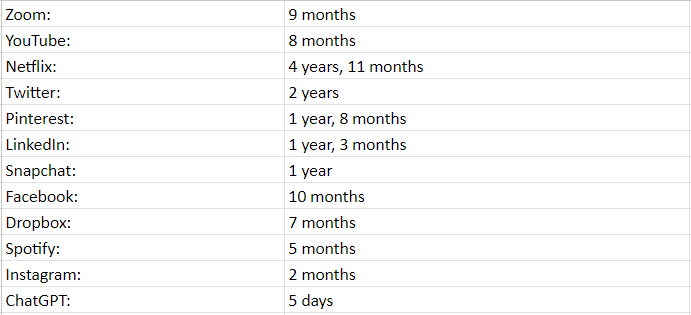
The emergence of AI has presented us with a tangible dilemma. While some view it as a remarkable leap into the future, others are more skeptical and perceive it as nothing more than an overhyped trend. So, who is correct? While programs like ChatGPT and Duet AI are gaining popularity as powerful tools, incidents of self-driving cars causing major accidents and AI misidentifying potential criminals continue to raise doubts about their effectiveness. Although we may not have all the answers, one thing is certain: AI is not going away. It is progressively permeating every facet of our lives, from customer service to healthcare and transportation. Therefore, we must adapt and learn to coexist with this AI revolution. The following table provides an overview of the growth and impact of AI.

The Time it took to reach 1 Million Followers:

User Beware: Is AI All It's Touted To Be? Business Consultant and AI Integrator, Michael Koeppel Shares His Insight On The AI Conundrum

Photo courtesy: Michael Keoppel

Michael Koeppel, a well-established business consultant and AI implementor, provides valuable insights on addressing and resolving the challenges posed by AI. Over the next five years, AI will probably start to diminish job opportunities for individuals with a college education. The advancement of AI technology will significantly influence the job market for college-educated professionals. It will be crucial for individuals to keep themselves informed about the latest AI developments and contemplate how their skills and knowledge can be utilized in a world where machines are increasingly capable of performing various tasks. Having a good grasp of AI and the ability to optimize its use will soon become as essential as proficiency in using a spreadsheet.

1. Verifying Data Hits

Chat GPT is impressive, however, it should not be taken as absolute truth. One of the main concerns highlighted by Koeppel is the current lack of discernment in AI when it comes to sourcing information. AI often struggles to filter or accurately segregate information when summarizing vast data pools. Koeppel explains, “AI is unable to determine what data is accurate and what is not. It simply reports what it discovers.” This challenge is comparable to navigating a data universe without a map, resulting in summaries that may lack context or precision. Koeppel acknowledges that tools like Microsoft’s Co-pilot are making efforts to improve information sourcing, indicating progress towards more responsible AI, but there is still a long way to go. “Validating data sources is essential; we are educating AI on the significance of proper sourcing, similar to teaching a child to cite their references in an essay,” Koeppel elaborates.

2. Recognizing AI’s Limitations

Furthermore, apart from its inadequate filtering capabilities, AI still has significant limitations when it comes to data input. Koeppel highlights the importance of recognizing these limitations, particularly in the processing and interpretation of data. He points out that AI faces difficulties in tasks such as analyzing Excel spreadsheets if the data is not formatted in a recognizable manner. This limitation highlights a more extensive problem: AI’s current inability to comprehend and deduce information in the same way as humans. According to Koeppel, “AI’s capacity to understand and interpret data beyond specific parameters is limited, indicating a gap in its import capability.” It is crucial to acknowledge this reality in order to effectively integrate AI into workflows without overestimating its capabilities.

3. AI as a Tool, Not a Differentiator

In Koeppel’s perspective, AI’s primary weakness lies in its incapacity to distinguish between end users. For instance, irrespective of one’s background, a similar input will elicit a similar output. Whether you are a university professor or a 5th-grade student, AI will provide you with the same result. The widespread availability of platforms such as ChatGPT implies that the responses can be uniform across various users. Koeppel suggests, “AI offers a level playing field for everyone. The key is in how you prompt AI, recognizing its strengths in subsequent queries, and mastering its interface efficiently.” While some may perceive this as a significant limitation, Koeppel emphasized the potential opportunities it presents. “Input quality determines output quality. Those who can effectively prompt AI to unleash its full potential gain a competitive advantage.”

4. AI Is Still the Future

While Koeppel emphasized the importance of AI in various sectors such as customer service and job automation, he also highlighted the significance of human involvement in the process. He pointed out that AI’s strength lies in its efficiency in problem-solving and task performance, particularly evident in the medical billing field. Despite his emphasis on the need for human oversight, Koeppel remains optimistic about AI’s potential for the future. He views AI as a valuable tool for business optimization, rather than a standalone solution. Koeppel also expressed skepticism about relying solely on government intervention to regulate AI technology, citing their struggles in addressing fundamental issues related to the Internet.

About the Contributor

Michael R. Koeppel, the Managing Director and Founder of Lakelet Advisory Group LLC, boasts an impressive 30-year career specializing in technology, manufacturing, and service organizations. A Certified Turnaround Professional (CTP) with credentials spanning from CPA to Certified in Financial Forensics (CFF), Koeppel’s expertise has led to significant roles including Director at Large for the New York State Society of Certified Public Accountants and expert witness in bankruptcy valuations. His work extends internationally, with notable contributions in European and Brazilian operations, underscored by a deep commitment to mentoring and education.

Published by: Martin De Juan

Is Google Making Students Smarter? Exploring the Rise of AI-powered Learning Tools

Technology plays an increasingly integral role in the rapidly evolving landscape of education. From interactive online resources to virtual classrooms, the digital revolution has transformed how students learn and educators teach. AI-powered learning tools are at the forefront of this transformation, promising personalized and efficient learning experiences. 

But amid the excitement, a pertinent question arises: Is Google truly making students smarter, or are there underlying implications to consider?

The Evolution of Education in the Digital Age

The advent of the internet and search engines like Google has undoubtedly revolutionized how students access information. With just a few keystrokes, an overwhelming amount of knowledge becomes instantly accessible. This unparalleled access has democratized education, leveling the playing field for learners worldwide.

However, the proliferation of AI-powered learning tools takes this accessibility to new heights, offering tailored learning experiences based on individual needs and preferences.

The Promise of AI in Education

AI promises to revolutionize education by providing personalized learning experiences, automating administrative tasks, and augmenting teaching methodologies. Adaptive learning platforms utilize machine learning algorithms to analyze students’ strengths and weaknesses, delivering customized learning paths to optimize comprehension and retention. 

Virtual tutors with natural language processing capabilities offer immediate feedback and guidance, enhancing student engagement and performance. Moreover, AI-driven content creation tools assist educators in developing interactive and dynamic learning materials, enriching the educational experience.

Addressing Academic Integrity Concerns

However, alongside the benefits of AI-powered learning tools, concerns regarding academic integrity loom large. The proliferation of sophisticated AI writing tools has raised questions about the authenticity of student work. The emergence of AI-written essay detectors reflects a proactive approach to preserving academic integrity in an era of technological advancement. These tools leverage machine learning algorithms to identify anomalies in student submissions, flagging potential instances of AI-generated content. 

While AI-written essay detectors safeguard against academic dishonesty, they also prompt discussions about responsible technology use and the importance of nurturing critical thinking and writing skills.

Balancing Technology and Pedagogy

As educators embrace AI-powered learning tools, striking a balance between technology and pedagogy becomes imperative. While AI offers unprecedented opportunities for personalized learning and efficiency gains, it must complement, not replace, traditional teaching methods. Human interaction, empathy, and creativity remain irreplaceable facets of the learning experience. 

Integrating AI into education requires thoughtful consideration of its ethical implications, ensuring that technology serves as a catalyst for learning rather than a barrier to human connection.

Cultivating Digital Literacy and Critical Thinking

In an era dominated by information abundance, cultivating digital literacy and critical thinking skills becomes paramount. Students must navigate a complex digital landscape discerningly, distinguishing between credible sources and misinformation. While AI-powered learning tools provide access to vast information repositories, they also necessitate a deeper understanding of how algorithms shape content consumption and perception. 

Educators play a pivotal role in fostering digital literacy competencies that empower students to navigate the digital realm responsibly and ethically.

Conclusion

In conclusion, the rise of AI-powered learning tools heralds a new era of educational innovation and opportunity. While Google and other AI-driven platforms offer unparalleled access to knowledge and personalized learning experiences, they also pose challenges to academic integrity and human-centered pedagogy. By embracing technology thoughtfully and cultivating digital literacy and critical thinking skills, educators can harness the transformative potential of AI while safeguarding the integrity of education. 

Whether Google makes students smarter transcends mere technological prowess; it reflects our collective responsibility to shape the future of learning in an increasingly AI-driven world.


Published By: Aize Perez