Honoring Heroes: Exploring Echoes of Valor and the Legacy of Military Funerals

Military funerals have long served as a powerful tribute to those who have dedicated their lives to serving their country. In his new book, Echoes of Valor: The Timeless Tradition of Military Funerals in America, Benjamin A. Saunders delves into the history, rituals, and significance of these ceremonies, highlighting the profound respect they embody. With the release of this book, Saunders offers readers a deeper understanding of military funeral traditions and the values they honor, reminding us of the courage and sacrifice that accompany military service.

The Origins and Traditions of Military Funerals

Military funerals have a history rich with meaning, each element symbolizing respect and honor. From the flag-draped casket to the firing of three rifle volleys and the haunting notes of “Taps,” these rituals provide solemn tributes to the men and women who served. Saunders’ book provides insight into the origins of these traditions, explaining how each one has become a deeply rooted part of military funeral ceremonies over time.

In particular, the tradition of the flag-draped casket is one of the most symbolic elements of a military funeral, representing the country’s gratitude and respect for the fallen. The firing of three volleys and the sounding of “Taps”, a custom originating from the American Civil War, serves as a powerful acknowledgment of a life given in service to the nation. Saunders’ thorough research and insights offer readers a renewed appreciation for these traditions, demonstrating their importance in honoring the lives and sacrifices of military heroes.

A Personal Perspective: Benjamin A. Saunders’ Journey

With years of experience as a licensed funeral director in both Indiana and Tennessee, Benjamin A. Saunders brings a unique perspective to his work. He understands the emotional weight that accompanies each ceremony and has seen firsthand the impact these rituals have on grieving families. His background and education in funeral services provide him with a comprehensive understanding of the funeral industry, adding depth to his exploration of military honors.

Saunders’ passion for honoring fallen soldiers is rooted not only in his professional experience but also in his academic accomplishments. Having earned degrees from Ball State University and Mid-America College of Funeral Service, where he graduated as valedictorian, Saunders combines academic insight with practical knowledge. This blend of expertise allows him to offer a compelling narrative that respects the dignity and honor embedded in military funeral traditions.

Echoes of Valor Honoring Heroes Through Military Funerals

Photo Courtesy: Benjamin A. Saunders

The Inspiration Behind Echoes of Valor

Saunders was inspired to write Echoes of Valor through his interactions with families and mentors at Lamb-Basham Memorial Chapel. Observing the honor guard ceremonies and witnessing the comfort they provided to grieving families led him to further research the history behind these traditions. Saunders’ goal was to create a resource that could help others understand the significance of military funerals and the values they uphold.

In his research, Saunders drew from a variety of sources, including historical videos from the Library of Congress, footage of President John F. Kennedy’s funeral, and conversations with military experts. His exploration into the origins of military funeral customs led him to create a book that not only honors the past but also encourages readers to value and preserve these traditions. Echoes of Valor ultimately aims to bridge the gap between past and present, reminding readers of the sacrifices made by military personnel across generations.

A Book That Honors and Educates

Echoes of Valor is more than a historical account—it is a tribute to the resilience and dedication of those who have served. Through the story of Army veteran James Bryant and the numerous heroes featured in his book, Saunders emphasizes the importance of remembering the legacies of military service members. His book highlights not only the individual stories of courage and strength but also the collective memory of a nation committed to honoring its heroes.

By detailing each element of the military funeral ceremony, Echoes of Valor educates readers on the significance of these traditions while fostering an appreciation for the values they represent. Saunders provides an in-depth look at the four key components of a military funeral: the flag draping, the rifle volley, the playing of “Taps,” and the folding and presentation of the flag. Each element is carefully explained, offering readers a window into the rituals that have come to define military funerals.

Echoes of Valor Honoring Heroes Through Military Funerals_3

Photo Courtesy: Benjamin A. Saunders

Continuing a Legacy of Respect

The release of Echoes of Valor marks an important milestone for Saunders and his publishing partners, American Liberty Publishing and Notre Dame University. This collaboration underscores the importance of preserving the stories and traditions that honor America’s heroes. Saunders hopes that his work will inspire future generations to uphold these traditions, ensuring that military service members are remembered with respect and gratitude.

As the United States commemorates Veterans Day each November 11th, books like Echoes of Valor play a crucial role in helping the public understand the significance of military service. Saunders’ work serves as a powerful reminder that honoring the past is essential for shaping the future, and that each military funeral is a testament to the enduring values of courage, sacrifice, and respect.

For readers interested in learning more about the history and traditions of military funerals, Echoes of Valor: The Timeless Tradition of Military Funerals in America is available on Amazon. This book provides a comprehensive and respectful look at the ceremonies that pay tribute to America’s heroes, offering insights that are both educational and inspiring.

Published by: Martin De Juan

Understanding Cognitive Biases in Decision-Making

Decision-making is a cornerstone of effective leadership, and yet, it’s often influenced by cognitive biases that can lead to suboptimal choices. In The Future-Forward CEO: Embracing Change in the Digital Age, Dr. Sarah Sun Liew delves into how cognitive biases impact decision-making and provides strategies for recognizing and mitigating these biases. Understanding these biases is crucial for leaders who aim to make more informed and ethical decisions, fostering better outcomes for their teams and organizations. This article explores various cognitive biases, their effects on decision-making, and practical advice for leaders seeking to enhance their decision-making skills.

The Impact of Cognitive Biases

Cognitive biases are systematic patterns of deviation from norm or rationality in judgment. They affect how we perceive, interpret, and respond to information, often leading to errors in decision-making. Dr. Liew emphasizes that while cognitive biases are a natural part of human cognition, they can skew judgment and result in decisions that are less objective or ethical.

Some common cognitive biases include:

  • Confirmation Bias: This bias involves favoring information that confirms pre-existing beliefs while disregarding information that contradicts them. Leaders influenced by confirmation bias may ignore valuable feedback or alternative perspectives, leading to decisions that reinforce existing views rather than exploring new possibilities.

  • Availability Heuristic: The availability heuristic refers to the tendency to rely on immediate examples that come to mind when evaluating a situation. Leaders might make decisions based on recent events or vivid examples, rather than considering a broader range of information. This can result in overestimating the likelihood of certain outcomes and neglecting less obvious but relevant data.

  • Anchoring Bias: Anchoring bias occurs when individuals rely too heavily on an initial piece of information (the “anchor”) when making decisions. For instance, a leader might base decisions on an initial budget estimate, even when subsequent information suggests adjustments are needed. This can lead to suboptimal decisions if the initial anchor is not accurate or relevant.

  • Overconfidence Bias: Overconfidence bias involves having excessive confidence in one’s own judgments and abilities. Leaders who fall prey to this bias may underestimate risks, overlook potential pitfalls, or overestimate their capacity to manage challenges, leading to poor decision-making.

  • Groupthink: Groupthink occurs when a group prioritizes harmony and consensus over critical evaluation of ideas. Leaders may experience groupthink when seeking unanimous approval from their teams, leading to decisions that may lack thorough analysis and consideration of alternative viewpoints.

Strategies for Recognizing and Mitigating Biases

Recognizing and mitigating cognitive biases is essential for improving decision-making. Dr. Liew offers practical strategies for leaders to counteract these biases and make more informed and ethical choices.

  • Foster a Culture of Open Dialogue: Encouraging open dialogue and diverse perspectives helps to counteract biases such as confirmation bias and groupthink. Leaders should create an environment where team members feel comfortable sharing their views, even when they differ from the majority opinion. This promotes a more comprehensive evaluation of information and reduces the likelihood of biased decisions.

  • Implement Structured Decision-Making Processes: Structured decision-making processes can help minimize the impact of biases. Techniques such as decision matrices, pros and cons lists, and scenario analysis provide a systematic approach to evaluating options. By using structured tools, leaders can ensure that decisions are based on objective criteria rather than personal biases or heuristics.

  • Encourage Critical Thinking: Critical thinking involves questioning assumptions, evaluating evidence, and considering alternative viewpoints. Leaders should encourage their teams to practice critical thinking by challenging initial assumptions and exploring different perspectives. This helps to mitigate biases like the availability heuristic and confirmation bias by ensuring that decisions are based on a thorough analysis of information.

  • Seek External Input and Feedback: External input and feedback can provide valuable insights and counteract biases. Leaders should seek input from stakeholders, experts, or advisors who can offer an objective perspective and highlight potential blind spots. By incorporating diverse viewpoints, leaders can make more balanced and informed decisions.

  • Use Data and Analytics: Relying on data and analytics helps to counteract biases by providing objective evidence for decision-making. Leaders should leverage data-driven insights to inform their decisions, rather than relying solely on intuition or anecdotal evidence. This approach helps to ensure that decisions are based on factual information rather than cognitive biases.

  • Be Aware of Personal Biases: Self-awareness is crucial for recognizing and addressing personal biases. Leaders should reflect on their own decision-making processes and be mindful of potential biases that may influence their judgments. By acknowledging their own biases, leaders can take steps to mitigate their impact on decision-making.

  • Encourage a Learning Mindset: Adopting a learning mindset involves viewing mistakes and biases as opportunities for growth. Leaders should foster a culture where team members are encouraged to learn from their experiences and continuously improve their decision-making processes. This mindset helps to identify and address biases, leading to more effective decision-making over time.

Practical Applications for Leaders

Applying the strategies for recognizing and mitigating cognitive biases can significantly enhance decision-making. Here are some practical applications for leaders:

  • Conduct Pre-Mortem Analyses: A pre-mortem analysis involves envisioning potential failures before making a decision. Leaders can use this technique to identify possible pitfalls and biases that may affect their decision-making. By anticipating challenges and considering alternative scenarios, leaders can make more informed choices.

  • Implement Decision Review Processes: Regularly reviewing decisions and their outcomes helps leaders evaluate the effectiveness of their decision-making processes. Leaders should assess whether biases played a role in past decisions and take corrective actions to improve future decision-making. This reflective practice helps to identify patterns of bias and develop strategies for addressing them.

  • Promote Accountability and Transparency: Accountability and transparency in decision-making help to reduce biases and enhance trust. Leaders should ensure that decisions are made transparently and that team members are accountable for their contributions. This promotes a culture of integrity and reduces the likelihood of biased decision-making.

  • Provide Training and Development: Training and development programs focused on cognitive biases and decision-making can help leaders and team members recognize and address biases. Leaders should invest in training that enhances awareness of cognitive biases and provides tools for making more objective decisions.

  • Encourage Diverse Teams: Diverse teams bring a variety of perspectives and experiences to the decision-making process. Leaders should build diverse teams to reduce the impact of individual biases and enhance the quality of decisions. Diverse teams are more likely to challenge assumptions, identify blind spots, and make well-rounded decisions.

Conclusion

Understanding Cognitive Biases in Decision-Making

Photo Courtesy: Meridian Beverly Hills Investment & Legal Group

Understanding cognitive biases and their impact on decision-making is essential for leaders seeking to enhance their decision-making skills. In The Future-Forward CEO: Embracing Change in the Digital Age, Dr. Sarah Sun Liew provides valuable insights into recognizing and mitigating biases, offering practical strategies for making more informed and ethical decisions.

By fostering open dialogue, implementing structured decision-making processes, and leveraging data-driven insights, leaders can counteract the effects of cognitive biases and make more objective choices. Self-awareness, critical thinking, and a learning mindset are key to improving decision-making and achieving better outcomes. As leaders navigate the complexities of the digital age, understanding and addressing cognitive biases will be crucial for making sound decisions that drive organizational success.

For those interested in delving deeper into Dr. Sarah Sun Liew’s innovative approaches:
– Explore her internationally recognized author profile: (wikitia.com/wiki/Dr._Sarah_Sun_Liew).
– Contact directly at (424) 343 7025 or (424) 777 6461.
– Learn more via [www.sarahsenator.org](http://www.sarahsenator.org) or [drsarahliewforcongress.com](http://drsarahliewforcongress.com).
– Follow on social platforms: Facebook (@sarahsun.liew), Twitter (@Sarahliew7), YouTube (@dr.sarahsunliewforcongress884), Instagram (@drliewsenate), LinkedIn.

Published by: Holy Minoza

Marketing Your Book: A Guide for Authors

By: David Benson

As an author, crafting your manuscript is just one part of your journey. The next, equally crucial phase involves marketing your book effectively. In today’s competitive literary landscape, understanding the fundamentals of book marketing can significantly enhance your visibility and sales. Here’s how Writers Bloom can assist you in navigating this vital aspect of your writing career.

1. Understanding the Importance of Marketing

Many authors, particularly those new to the publishing world, often underestimate the importance of marketing. A staggering 85% of books published by traditional publishers see minimal marketing support, often under $2,000. This means that authors must take the initiative to market their books effectively. Establishing a marketing strategy early can help set you apart and ensure your book reaches its intended audience.

2. Building Your Author Brand

Before diving into specific marketing tactics, it’s crucial to establish a solid author brand. Your brand is how readers perceive you and your work. To build your brand:

  • Define Your Audience: Understand who your readers are. What are their interests? Where do they spend time online?
  • Create an Online Presence: Develop a website and utilize social media platforms like Twitter and Facebook. These are essential tools for engaging with your audience and promoting your book.
  • Consistent Messaging: Ensure that your messaging aligns across all platforms. This consistency builds trust and recognition among potential readers.

3. Effective Marketing Strategies

Once your brand is established, you can implement various marketing strategies:

  • Content Marketing: Start a blog related to your book’s themes or genres. This can help draw in potential readers and establish you as an authority in your niche.
  • Email Marketing: Build an email list by offering free content related to your book, like a short story or a sample chapter. This not only keeps readers engaged but also provides a direct line for updates on new releases.
  • Social Media Advertising: Invest in targeted ads on platforms where your audience is most active. This can increase your book’s visibility significantly.

4. Networking and Collaborations

Networking with other authors and industry professionals can open doors for new marketing opportunities. Engage with other writers through social media, writing groups, or local author events. Consider collaborations, such as co-hosting book signings or virtual events, which can help you tap into each other’s audiences. Building long-term relationships in the literary community is invaluable.

5. Utilizing Online Platforms

Platforms like Goodreads, BookBub, and Amazon are essential for book marketing. These sites allow authors to connect directly with readers, promoting their books through targeted advertisements and author profiles. Engage actively in reader communities and consider offering promotional deals to generate interest and reviews.

6. The Role of Reviews

Encouraging readers to leave reviews can significantly impact your book’s success. Positive reviews boost credibility and help attract new readers. Consider sending advanced reader copies (ARCs) to book bloggers and influencers in exchange for honest reviews. A strong collection of reviews can create buzz around your book and drive sales.

7. Long-Term Marketing Approach

Marketing is not a one-time effort but a continuous process. Authors must adapt their strategies based on feedback and results. Analyze which marketing tactics yield the ideal results and refine your approach accordingly. Maintaining a consistent presence and regularly updating your audience about your writing journey will keep readers engaged.

Conclusion

Marketing is an integral part of an author’s career, and utilizing effective strategies can lead to long-term success. Writers Bloom is dedicated to empowering authors by providing the resources and guidance needed to market their books effectively. By focusing on brand building, employing diverse marketing strategies, and maintaining a long-term approach, you can ensure your book reaches the readers it deserves.

By taking the time to understand and implement these marketing techniques, authors can transform their passion for writing into a thriving career.

Published by: Holy Minoza

Building Brighter Futures: How Kim Ann’s Books and Outreach Empower Children

Kim Ann’s journey from a passionate storyteller to a successful entrepreneur is a testament to the profound impact one individual can have on children’s literacy and development. As a bestselling author and advocate for early childhood education, Kim has dedicated her career to writing engaging and meaningful children’s books that inspire creativity, foster emotional intelligence, and encourage a lifelong love of reading. Through her vibrant characters and heartwarming stories, she not only captivates the imaginations of young readers but also provides essential resources for parents and educators alike.

Since publishing her first book in 2019, Kim has become a powerful voice in children’s literature, with a catalog of 30 titles and over 100,000 copies sold worldwide. Her impressive literary achievements, including popular series like Ruby the Rainbow Witch®, Goldy the Puppy®, and the Go On Vacation series, have garnered awards such as the Amazon Teachers’ Pick and Mom’s Choice Winner. These accolades reflect her success and speak to the educational value of her works, which frequently incorporate themes of social-emotional learning (SEL) and STEM education.

Building Brighter Futures How Kim Ann’s Books and Outreach Empower Children (3)

Photo Courtesy: Kim Ann

What sets Kim’s books apart is their ability to bridge the gap between entertainment and education. Her stories invite children into a world where they can explore important life lessons such as empathy, problem-solving, and resilience—all through the lens of fun, imaginative adventures. For instance, Ruby the Rainbow Witch® encourages children to embrace diversity and kindness, while the Go On Vacation series taps into the joys of exploration and the importance of family bonding. These themes resonate deeply with both parents and teachers, making her books valuable tools in classrooms and homes worldwide.

Kim’s contributions to childhood literacy extend far beyond the pages of her books. A strong advocate for community engagement, she actively participates in events that bring the joy of reading to children from all walks of life. Her involvement in Read Across America, where she visits schools and shares her love for stories, has made a lasting impression on countless young readers. Kim’s presence at local fairs, museums, and educational events further highlights her commitment to making literacy accessible and enjoyable for children of all backgrounds.

One of the key pillars of Kim Ann’s work is her dedication to social-emotional learning. In an era where emotional intelligence is increasingly recognized as essential to a child’s development, Kim’s stories provide an entry point for children to learn about empathy, self-regulation, and cooperation. Her books allow children to see themselves in the characters, helping them navigate their feelings and challenges in a supportive and understanding way. This focus on SEL has made her books a trusted resource for educators striving to integrate these concepts into their classrooms.

Building Brighter Futures How Kim Ann’s Books and Outreach Empower Children (1)

Photo Courtesy: Kim Ann

In addition to her literary and community endeavors, Kim has recently expanded her reach through growing media appearances, most notably her upcoming features on PBS. These appearances mark an exciting new chapter in her mission to spread the love of reading and early childhood education. By leveraging the power of media, Kim hopes to reach even more families and educators, ensuring that children everywhere have the resources they need to thrive academically and emotionally.

Recognizing the challenges many authors face in navigating the complexities of the publishing world, Kim has taken on the role of a mentor and coach. Through workshops and one-on-one guidance, she empowers aspiring authors to take control of their publishing journey, offering them the tools and strategies they need to succeed in a highly competitive industry.

Her approach to publishing is deeply rooted in her desire to help others achieve their dreams. By sharing her knowledge and experiences, Kim has cultivated a supportive community of writers who want to make a difference in children’s literature like her. Her workshops cover essential topics such as manuscript development, marketing, and distribution, offering new authors a comprehensive understanding of what it takes to turn their creative visions into reality. Kim’s impact as a publishing coach has been as profound as her influence as an author, helping to elevate the voices of new storytellers and ensuring that more diverse, imaginative stories reach young readers.

Building Brighter Futures How Kim Ann’s Books and Outreach Empower Children (2)

Photo Courtesy: Kim Ann

Kim Ann’s journey from a first-time author to an influential figure in children’s literature and education is a story of passion, perseverance, and purpose. Her books have touched the lives of thousands of children, parents, and teachers, offering them tools to nurture creativity, emotional growth, and a love of reading. Through her community outreach, media presence, and role as a mentor to aspiring authors, Kim continues to build brighter futures for children worldwide. As she expands her work into new platforms, her impact on early childhood literacy and education will only grow, ensuring that her stories—and the lessons they teach—reach even more young readers.


Published by: Khy Talara

Resilience Reimagined: Lessons from ‘Stages’ on Surviving Mental Storms

By: Jason Gerber

Resilience emerges as a vital pillar of hope and endurance in the world of mental health. “Stages“ by Sean Mrykalo presents a candid exploration of this resilience, redefining it through a series of personal struggles and triumphs. 

Mrykalo’s journey offers profound lessons on how to weather the mental storms that life often presents, providing a roadmap for those seeking to find their paths through similar challenges.

The Nature of Mental Storms

Mental storms are the turbulent periods when an individual’s mental health challenges become overwhelming, akin to weathering severe weather in one’s mind. Mrykalo begins “Stages“ by depicting these storms—his battles with depression, anxiety, and addiction—painting a vivid picture of the turmoil they can create. The book’s raw and honest portrayal invites readers into the depths of despair but does so to set the stage for a discussion on overcoming these very obstacles.

Building the Foundations of Resilience

One of the first lessons “Stages“ imparts is the importance of recognizing and acknowledging one’s struggles. Mrykalo stresses that understanding the nature of one’s battles is the foundation of resilience. 

Through his prose and poetry, he encourages readers to confront their conditions head-on, suggesting that denial only prolongs the struggle. This acknowledgment is the first step towards building a resilient mindset, which is essential for enduring recovery.

Tools for Weathering the Storm

In this book, Mrykalo details the various tools and strategies that aided his journey towards resilience. He emphasizes the role of therapy, the support of loved ones, and the personal commitment to healing. Each chapter serves as a testament to different coping mechanisms, from mindfulness practices to the transformative power of writing and self-expression. Mrykalo’s narrative teaches that resilience is not a static trait but a skill set that can be developed and strengthened over time.

Navigating Setbacks with Grace

“Stages“ does not shy away from the reality of setbacks in the journey towards mental wellness. Mrykalo’s personal anecdotes about regression serve as powerful reminders that resilience involves navigating setbacks with grace. 

He shares how each setback provided him with deeper insights into his mental health, allowing him to adjust his strategies and strengthen his resilience. This segment of the book is particularly crucial, as it reassures readers that setbacks are not failures but part of the growth process.

The Role of Community and Connection

Another pivotal lesson from “Stages” is the significance of community and connection in building resilience. Mrykalo attributes a significant part of his recovery to the unwavering support of his family and friends. 

He illustrates how connections with others provide not only emotional sustenance but also practical advice and shared experiences that can lighten the burden of mental storms. This highlights the broader message that while the journey is personal, it need not be solitary.

Achieving Sustainable Resilience

Towards the end of “Stages“ , Mrykalo discusses what sustainable resilience looks like. It’s not merely about surviving the storm but thriving thereafter. He shares how embracing his vulnerabilities and continuing to engage in self-care practices have enabled him to maintain his mental health. 

Sustainable resilience, as Mrykalo describes, involves an ongoing commitment to self-awareness and self-improvement, ensuring that one is prepared for any mental storms that may arise in the future.

Summary

“Stages” by Sean Mrykalo is a compelling narrative that redefines resilience through the lens of personal struggle and recovery. This book is not only a guide for surviving mental storms but also a heartfelt reminder of the power of the human spirit to overcome seemingly insurmountable challenges. It offers hope and actionable advice for anyone looking to build or strengthen their resilience in the face of mental health challenges.

For those interested in exploring these profound lessons further, “Stages“ is available for purchase online and in bookstores. It acts as both a powerful declaration of perseverance and a manual for flourishing amid the complexities of mental health.

Published by: Josh Tatunay

Jessica K. Stidd’s The Mist and the Wind: A Mystical Journey

By: Jason Gerber

In The Mist and the Wind, author Jessica K. Stidd writes a thought-provoking narrative. It takes readers to the enchanting landscapes of Ireland while guiding them through a journey of self-discovery.

Kayla, the novel’s protagonist, is a woman in her late 30s who follows her dream of moving to Killaloe, Ireland, in search of a deeper connection to her roots and herself. This fascinating tale is more than just a story of relocation. It’s a spiritual awakening connected with Irish history, culture, and the mystical pull of ancestry.

Mysticism Meets Reality

“But now I just felt like a force had pulled me back to a place where I had been to many, many years before. Yet I had only visited Ireland for the first time three years before I moved there.” – The Mist and the Wind.

The heart of The Mist and the Wind lies in Kayla’s exploration of her Irish heritage, which takes place in Killaloe. From the moment Kayla sets foot in this charming town, she is enveloped by the serene beauty of Ireland’s natural landscape and its rich, storied history. 

Her new home, located near the iconic St. Flannan’s Cathedral, becomes the setting for her growing fascination with Ireland’s spiritual essence. This essence is embodied by the ancient Ogham stones and mystical winds that seem to whisper secrets from another time.

As a writer for the Munster Post, Kayla’s days are spent chronicling the wonders of Irish history and culture. But her evenings spent in cafés and spiritual sites like Beal Boru sparked her internal transformation. These quiet moments are filled with more than just peaceful reflection. They become the setting for Kayla’s mystical encounters, dreams, and visions that reveal connections to a distant past.

Romance and Rediscovery

Beyond her spiritual journey, Kayla’s life in Ireland is marked by rich, evolving relationships. She becomes friends with locals like Louisa, bonds with fellow writers, and is enchanted by the romantic intrigue that simmers beneath the surface of her new life. With his stormy eyes and mysterious past, the enigmatic Declan becomes a figure of fascination, while her encounters with the charming Cormac offer glimpses of new possibilities.

These relationships are more than simple love interests. They parallel Kayla’s growing connection to Ireland as she faces modern love’s complexities against the ancient landscapes. Through her developing relationships, Kayla begins to untangle the threads of her ancestry, learning of her great-great grandfather’s Irish roots and finding new meaning in her own life’s purpose.

Spirituality, Supernatural, and Self-Discovery

Jessica expertly writes about Ireland’s mythology and spirituality throughout the novel. Kayla is not just an observer of these elements. She is immersed in them. She becomes part of a spiritual group called Celtic Light, exploring sacred sites and experiencing dreams that seem to blur the line between past and present. Whether visiting the ruins of St. Brigid’s Church or standing on the ancient grounds of Beal Boru, Kayla finds herself linked with a world where time seems fluid, and her past life reveals itself through vivid, almost prophetic dreams.

…hearing the wind, I was feeling a new kind of profound peace and wisdom. – The Mist and the Wind

These supernatural elements are not just for dramatic effect. They serve as metaphors for Kayla’s internal journey. The Mist and the Wind are recurring symbols in the novel, representing the shifting and mysterious nature of her experiences. Just as the wind moves through the Irish landscape, unseen yet ever-present, Kayla’s personal transformation is subtle yet deep. Her connection to the land, history, and ancestors shapes it.

Love Letter to Ireland

At its core, The Mist and the Wind is a love letter to Ireland. Through Kayla’s eyes, readers are introduced to the charm of small-town life in Killaloe and the stunning beauty of its landscapes. Also, the deep, unspoken magic that seems to permeate every corner of the country. From exploring ancient ruins to attending jazz concerts in the historic St. Flannan’s Cathedral, the novel shows a strong picture of modern Ireland while paying homage to its ancient roots.

Kayla’s spiritual awakening and the quest for self-discovery are set in Ireland’s rich historical ancient sites and stories. It makes the novel as much about the place as it is about the characters. Readers will feel as though they are walking alongside Kayla, experiencing the mysteries and beauty of Ireland firsthand.

Takeaway

Jessica K. Stidd has written a novel that is both introspective and expansive. The Mist and the Wind is not just a story of one woman’s journey to Ireland. It is a universal exploration of identity, ancestry, and the power of place in shaping who we are. Kayla’s journey will connect deeply with readers seeking a spiritual adventure and a deep connection to a land steeped in history and mystery. 

As Kayla moves through love, loss, and self-discovery, readers are invited to reflect on their connections to their pasts and the places that shape them. The Mist and the Wind is an invitation to embrace life’s mystical and amazing experiences.

Step into the mist, feel the wind and let Kayla’s journey guide you toward your own. This novel is a must-read for anyone who has ever wondered about the power of place, the pull of ancestry, or the magic that lies in embracing the unknown.

Published by: Josh Tatunay

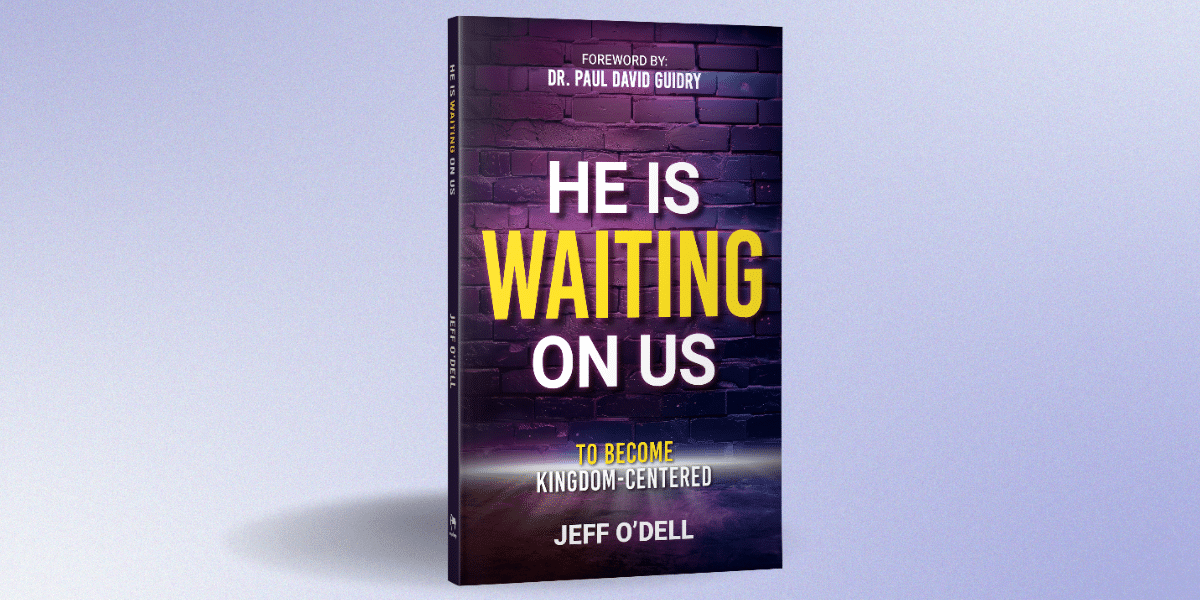
He Is Waiting on Us: Exploring New Paths for Church Unity and Purpose

By: Seraphina Quinn

In an era marked by division and uncertainty, Jeff O’Dell’s “He Is Waiting on Us” shines as a beacon for a compelling and timely call for transformation. 

Drawing on years of experience as a corporate strategist and an elder in his local church, O’Dell presents a visionary strategy to unite the Church and realign its purpose toward building God’s Kingdom. His message resonates with a wide audience, from pastors and church leaders to believers seeking clarity in their spiritual journey.

A Vision for a Kingdom-Centered Church

At the heart of O’Dell’s work is the call to shift from a fragmented, local church-centric model to one that is Kingdom-centered. He argues that the Church has unrealized potential to influence society and fulfill its divine mission. 

According to O’Dell, many congregations operate in isolation, focused on their own survival and growth rather than contributing to a unified, collective purpose. This disconnection, while unintentional, has resulted in missed opportunities for synergy and impact.

O’Dell writes with a sense of urgency. He believes the Church is at a critical juncture where it must either embrace transformative change or continue to struggle with stagnation. 

He emphasizes that unity is essential for the Church to address the challenges of the modern world. This approach calls for rethinking how the Church operates, prioritizing the larger mission of God’s Kingdom over individual congregational concerns.

The Power of Unity

The imagery O’Dell uses to describe the Church’s current state is striking. He recalls a dream in which he saw a brick wall that appeared strong on the surface, but upon closer inspection, lacked mortar. 

The bricks, representing individual churches, were solid but unconnected. Without the binding force of unity, the wall was fragile, easily broken apart. This metaphor underscores the essential role of unity in strengthening the Church.

O’Dell argues that unity is more than just a theological ideal; it is a practical necessity. He points to the early Church in the book of Acts as a model of unity, where believers shared resources and worked together for a common purpose. 

He contrasts this with the contemporary Church, where denominational, geographical, and philosophical divisions have weakened its influence and effectiveness.

In his analysis, O’Dell emphasizes the importance of synergy—where the whole becomes greater than the sum of its parts. By uniting under a common vision, churches can amplify their impact, both spiritually and socially. 

O’Dell is quick to acknowledge that achieving unity is no small task. However, he offers a strategic blueprint for how churches can work together, build genuine partnerships, and cultivate a Kingdom-first mindset.

He Is Waiting on Us Exploring New Paths for Church Unity and Purpose_2

Photo Courtesy: Jeff O’Dell

A Call for Meaningful Change

O’Dell is not content with incremental change. He calls for disruptive transformation, drawing parallels between the business world and the Church. 

Just as businesses must adapt to survive and thrive in a competitive marketplace, the Church must be willing to undergo significant shifts to remain relevant and impactful in a changing world.

He discusses the common resistance to change that many church leaders encounter. Change can be uncomfortable, and people often resist it, particularly when it challenges long-standing traditions or established practices.

O’Dell, however, stresses that without change, the Church risks becoming obsolete. His experience as a corporate strategist informs his approach, as he offers practical solutions to overcome these barriers. O’Dell suggests that the Church should adopt some of the same innovative approaches that businesses use to navigate transformation, while always remaining true to its spiritual mission.

Balancing the Practical and the Spiritual

One of the book’s strengths is its balance between the practical and the spiritual. O’Dell recognizes that spiritual transformation cannot happen in a vacuum; it must be supported by practical steps and strategic planning. He outlines a clear action plan for churches to follow, including steps to foster unity, cultivate genuine partnerships, and restructure resources to better serve the Kingdom.

His approach is grounded in Scripture, but it is also informed by his professional background. This combination of spiritual insight and practical wisdom makes He Is Waiting on Us a valuable resource for church leaders who are looking for actionable ways to bring about change. O’Dell’s advice is not just theoretical; it is rooted in years of experience both in the church and the corporate world.

Overcoming Division and Fragmentation

O’Dell does not shy away from addressing the issues that have led to division within the Church. He candidly discusses the denominational, geographical, and philosophical differences that have caused fragmentation. While acknowledging the sincerity and dedication of many church leaders, he argues that these divisions have weakened the Church’s ability to fulfill its mission.

To overcome these divisions, O’Dell calls for a radical shift in perspective. He encourages churches to stop viewing each other as competitors and instead see themselves as partners in the same mission. He believes that the local church should not be an isolated entity but part of a larger, unified body working together to advance the Kingdom of God.

A Message of Hope

While He Is Waiting on Us addresses serious issues facing the Church, it is ultimately a message of hope. O’Dell is optimistic about the future, believing that transformation is possible if churches are willing to embrace unity and work together. He offers a vision of a Church that is strong, vibrant, and united—a Church that can make a real difference in the world.

O’Dell’s hope is not based on wishful thinking but on a deep faith in God’s ability to bring about change. He writes with conviction, reminding readers that God is waiting for the Church to take the first step. 

The responsibility for change rests with believers themselves, rather than external factors. O’Dell suggests that if the Church works together in unity, it can make a significant impact.

An Invitation to Reflect and Act

He Is Waiting on Us is more than just a book—it invites pastors, leaders, and believers to reexamine their role in the Church and reflect on how they can contribute to its transformation. O’Dell encourages readers to view themselves as part of a larger movement, beyond their local congregations.

O’Dell’s passion for unity is evident throughout the book. He emphasizes the importance of the Church stepping up to become a positive force in the world, offering insights into the challenges it faces and suggestions for addressing them effectively.

A Must-Read

Jeff O’Dell’s He Is Waiting on Us is a timely and thought-provoking work that speaks to the heart of what the Church is called to be. With a  message of unity, a clear vision for transformation, and practical strategies for change, this book is a must-read for anyone concerned about the future of the Church.

O’Dell’s unique perspective as both a church elder and a corporate strategist allows him to offer insights that are both spiritually profound and practically relevant. His message is clear: The Church has the potential to be a powerful force for good in the world, but only if it can come together in unity.

As the Church faces the challenges of a divided world, O’Dell’s call for unity and transformation is more relevant than ever. He Is Waiting on Us is not just a book; it is a blueprint for the future of the Church.


Published by: Annie P.

Money Skills for Teens: Guiding the Next Generation to Financial Success

As teens prepare to step into adulthood, understanding how to manage money is becoming increasingly important. However, many young people face challenges in navigating personal finance due to a lack of clear guidance.  Money Skills for Teens: When Your Teen Realizes That Their Wallet Does NOT Come with Free Refills  by Mike and Gale Young offers a unique solution. This 216-page book provides teens with essential financial skills through a storytelling approach, making it easier for them to grasp and apply practical money management concepts.

A Fresh Approach to Financial Education

Unlike traditional financial guides that are often dry and difficult for young readers to engage with, Money Skills for Teens uses storytelling to captivate its audience. The book follows siblings Micah and Abby as they navigate real-life financial challenges, learning valuable lessons along the way. This narrative-driven method makes it easier for teens to relate to the content and see how it applies to their own lives.

By weaving financial concepts into an engaging story, Mike and Gale Young have created a guide that doesn’t feel like a lecture. Instead, teens are drawn into the journey of Micah and Abby, learning as they experience the ups and downs of budgeting, saving, earning money, and investing. Presented as a series of 8 podcasts, called Money Matters and hosted by Shelby Pacaldo, the story makes financial literacy more accessible and less intimidating, even for those who may initially shy away from the topic. This book reads more like a fun fiction novel and its innovative format keeps teens engaged, allowing them to learn through real-life examples.

As the authors put it, “A guide that blends practical financial advice with relatable stories, ensuring that teens are not only learning but also staying engaged.” This unique approach is what sets the book apart from other financial literacy materials, making it a must-read for today’s teens.

Key Financial Skills Covered

One of the book’s strengths is its comprehensive coverage of essential money skills. Through the experiences of Micah and Abby, readers learn practical lessons in the following areas:

1. Saving

Teens often struggle with understanding the importance of saving, especially in a world where instant gratification is the norm. Money Skills for Teens helps teens see the long-term benefits of saving, whether it’s for short-term goals like buying a new gadget or long-term plans like college expenses or a car. Through the sibling duo’s journey, teens learn how to prioritize their spending and build healthy saving habits early on.

2. Budgeting

Learning how to budget is an essential skill for financial success. In the book, Micah and Abby face real-life situations where they have to make choices about how to allocate their money. A key aspect of budgeting is learning to distinguish between ‘wants’ and ‘needs’—a vital skill for making smart financial choices. When teens master this, they can prioritize their spending and manage their resources more effectively.  This teaches readers how to create a budget that works for them, helping them track their income and expenses while making smart spending decisions. Budgeting becomes less of a chore and more of a tool for empowerment.

3. Making Money Online

In the digital age, there are more opportunities than ever for teens to earn money online. Whether through freelancing, creating content, or starting a small online business, Money Skills for Teens provides practical advice on how teens can tap into these opportunities. The book encourages entrepreneurial thinking and helps teens see that making money doesn’t always require a traditional job.

4. Applying for Jobs

While online opportunities are growing, traditional jobs remain an important part of a teen’s financial education. Through Micah and Abby’s experiences, readers learn how to search for and apply to jobs, how to ace an interview, and how to approach their first employment experience with confidence. These skills help teens prepare for the working world and understand the value of hard work and earning a paycheck.

5. Investing

The book goes a step further by introducing the concept of investing, a topic many teens might not consider until later in life. Through their journey, Micah and Abby learn the basics of investing in stocks, helping readers understand that investing can be a powerful tool for building wealth over time. The Youngs break down complex financial terms into easy-to-understand concepts, making the idea of investing less daunting for young readers.

Why Financial Literacy Matters for Teens

In a rapidly changing world, the ability to manage money is more important than ever. With rising student debt, the cost of living increasing, and financial decisions becoming more complex, teens need a solid foundation in financial literacy to thrive in adulthood. Books like Money Skills for Teens are essential in bridging the gap between academic education and practical life skills.

Unfortunately, financial education is often overlooked in schools, leaving parents to take the lead in teaching their children about money. However, starting these conversations can be challenging. That’s why Money Skills for Teens is such a valuable resource. By using relatable characters and real-world applications, the book makes these discussions easier and more engaging for both parents and teens.

Meet the Authors: Mike and Gale Young

Mike and Gale Young are passionate advocates for financial literacy. With decades of experience in the banking industry, they bring a wealth of knowledge to the table. Mike, a US Navy veteran, has over 20 years of banking experience, while Gale, a top female executive, had a distinguished career at Central Pacific Bank. Both have been actively involved in financial education efforts through Junior Achievement and local schools, and now in their mid-70s, they continue to share their expertise to help the next generation build a secure financial future.

Their combined experience and passion for teaching make them the perfect duo to guide teens on the path to financial success. Money Skills for Teens reflects their deep commitment to making financial education accessible and engaging for young readers.

A Practical Resource for Teens and Parents

In an increasingly complex financial world,  Money Skills for Teens: When Your Teen Realizes That Their Wallet Does NOT Come with Free Refills is a valuable resource for teens looking to gain practical financial skills. By blending relatable storytelling with actionable advice, Mike and Gale Young have created a guide that goes beyond the basics, helping teens build a foundation of financial literacy that can last a lifetime.

Available in ebook, paperback, hardcover, and audio formats, this book offers flexibility for busy teens and families. Whether your teen is just starting to think about their financial future or is already earning money and making spending decisions, Money Skills for Teens is an excellent starting point to help them develop the skills they need for financial independence.

For parents looking to give their teens a leg up in life, this book is an investment in their future, teaching them how to manage money wisely and avoid common financial pitfalls.

Disclaimer: This content is for informational purposes only and is not intended as financial advice, nor does it replace professional financial advice, investment advice, or any other type of advice. You should seek the advice of a qualified financial advisor or other professional before making any financial decisions.

Published by: Holy Minoza

What to Expect from “When We Are Seen”: A Book on Resilience and Authenticity by Former Apple VP Denise S. Young

By: Seraphina Quinn

Denise S. Young’s book, When We Are Seen, offers a profound exploration of her experiences as a Black woman in the upper echelons of Silicon Valley. As a former chief of HR and a co-creator of the Apple Store experience, Young emerged in an industry where people of color in key roles in tech companies were few and far between. This book, a compelling blend of memoir and practical guidance, not only recounts her personal journey but also serves as a guide for others seeking to bring the best of themselves to their professional lives.

A Voice of Diversity in Silicon Valley

Young stands out as one of the first and few women of color to reach the C-suite in Silicon Valley. Her career at Apple, spanning several decades, included key roles such as the company’s first Black chief of human resources and, later, its first VP of inclusion and diversity. Young’s tenure at Apple is particularly known for her work co-creating the Apple Store cultural experience, a hallmark of the brand’s customer engagement strategy. Leadership experts have often praised her for her emotional intelligence, an attribute that has been crucial in her efforts to foster a more inclusive and empathetic workplace environment that many employees experienced inside the Apple Stores in their earliest years. Young’s belief was simple: how employees felt would readily translate to how they, in turn, related to and engaged customers. 

In When We Are Seen, Young reflects on her experiences as a “first and only” in many of the roles she held in Silicon Valley. Her journey through a predominantly white, male-dominated industry required her to constantly conform to their expectations, rarely considering what she brought to the equation. In the book, Young cites different seasons of her career, trying different ways to be heard and recognized. Her story is not just a recounting of professional achievements but a candid portrayal of the challenges she faced, including the subtle and overt forms of discrimination Young and many more women and people of color help highlight as still all too common in corporate America. Young’s premise is that leaders and decision-makers can change this if they choose to, but we also have more power than we realize. She describes this “power” as activated by recognizing our connected human experiences.

The Power of Authenticity and Empathy

Central to Young’s narrative is the concept of authenticity—bringing one’s truest, therefore best, self to workplaces. She argues that true inclusion involves more than just diversity in numbers; it calls for creating an environment where people feel safe to contribute, let go of the effort required to shield themselves, and be “given back” the time taken to heal from microaggressions. She describes how leaders benefit from knowing their employees and can achieve P&L progress by knowing their employees better and valuing them for who they truly are. Young tells leaders who read the book that the world’s working demographics have already shifted and are likely behind in activating this reality. To make room for embracing cultural heritage or sharing personal interests might have seemed trite or incorporate-like at one time. Still, it is essential to engage a younger, more gender-equal, post-pandemic, more remote workforce or simply the newer world. Young emphasizes that authenticity is not a passive state but a skill/state that can and should be developed. It involves consciously choosing to be open and vulnerable despite the risks and encouraging others to do so.

In her book, Young shares practical advice on harnessing personal stories of when we were seen and positively impacted. She believes that empathy is an essential skill and must exist within organizations as an active practice, versus a “soft skill” that is optional. She describes the ways we misunderstand what empathy truly is and what it does for us. Young offers a blueprint for action that includes understanding and overcoming the inevitable biases within people and systems. In her HR career, she asserts that her global team worked hard to select and develop empathetic leaders who understood how to use emotional intelligence to create environments where people thrived. Her insights are particularly valuable for those who feel marginalized or unseen in their professional environments. In sharing her struggles and triumphs, Young offers solace and a sense of solidarity to readers who may be navigating similar challenges, challenges which the news headlines of the day tell us are still very much in existence, whether for an AI engineer, a presidential candidate, or a sitting Supreme Court Justice.

A Blueprint for Inclusive Leadership

When We Are Seen is a compelling and warmly told personal memoir, but it is also a call to action for leaders and organizations. Young provides guidance for creating inclusive workplaces, classrooms or gathering places where people can believe they are valued. That cultural grounding in values then empowers higher, more quality contributions. And when talented people can contribute at higher quality levels, they simply thrive. She emphasizes the importance of leaders who are not only aware of diversity and representation issues but are also actively working to understand and address them. This involves challenging the status quo and avoiding performative approaches. She concedes that the belief systems that so many diversity practitioners must face within their organizations are often so deeply ingrained in people and in systems that it feels and appears insurmountable. Young argues that although this is a characteristic of corporate workplaces, it can be shifted. 

One of the book’s key messages is that inclusion is not a one-size-fits-all approach. Young stresses that each individual’s experience is unique and that true inclusion involves recognizing this fact. She encourages leaders to engage in meaningful conversations with their employees by listening with empathy, asking thoughtful questions, and aiming to gain more insight and context. Only then can leaders take actionable steps to create better conditions for people to thrive. The latter part of that statement also requires courage on the part of leaders to stand up to the inevitable backlash that can arise from forging pathways to access and making resources available. She argues this is not only right to do but inarguably beneficial for the organization, as it leads to more engaged and innovative outputs from people. 

Community Building

In addition to her focus on individual authenticity and leadership, Young also emphasizes the importance of community and recognizing the roles communities play in building support networks, both within and outside the workplace. These networks enhance how we are seen, often providing mentorship, guidance, and a sense of belonging, all crucial for personal and professional growth. Young shares her experiences finding and nurturing such communities throughout her career and offers practical advice for others looking to extend their support infrastructure.

Young’s book highlights the role of allies in the ongoing struggle to achieve inclusion, especially greater equity. She calls on those in positions of privilege to use their influence and positional power in new ways. Spend time to grow their knowledge and understanding of marginalized groups and the “why” of their journey. She suggests that leaders do this with the same level of effort they employ to understand new products or market conditions and that it must be an ongoing way of thinking, not a one-time event or destination. Too much remains uninformed if this work is not done, and companies and organizations are unlikely to gain traction. This condition, she asserts, is the reason DEI programs have been largely unsuccessful. Young describes encountering allies who advocated for policy changes, promoted diverse voices, and aggressively challenged discriminatory practices. By fostering a culture of allyship, Young believes that organizations can create more inclusive and supportive environments for all employees, and ultimately enjoy higher overall performance.

The Broader Impact of “When We Are Seen”

When We Are Seen is not just a book for business leaders or those working in corporate environments; it is a universal message about the importance of being true to oneself and valuing others for their authentic selves. It speaks to anyone who has ever felt left out, unseen, or misunderstood. Young’s narrative is a personal story of resilience and a broader commentary on the systemic issues that still pervade many industries.

The book has received praise from various quarters, including business leaders like Ron Johnson, who noted that it offers valuable insights for business leaders and anyone interested in understanding “what it means to be a part of the human race”. World-class Apple designer and innovator Jony Ive describes Young’s knowledge of culture as “extraordinary.” Award-winning trumpeter and world-renowned orchestra leader Wynton Marsalis stated that he also shared so many experiences found in the pages of Young’s book and that he loved the blending of cultures and the “humility” of the storytelling. In sharing her journey, Young provides a powerful example of how one can navigate and succeed in environments that are not always welcoming, yet still have an impact on that environment for the better. 

Overall, the book is both a heartfelt memoir, sensible guide, and inspirational reminder of our shared humanity, offering insights and strategies for individuals and organizations alike. Through her story, Young inspires us to embrace our authentic selves and to work towards a world where everyone is seen, heard, and valued.


Published By: Aize Perez

The Hidden Complexities of Pet Ownership in America: A Journey Through Carole Nailen’s ‘Handbook for All Pet Guardians’

By: Seraphina Quinn

You’ve heard the phrase “man’s best friend” countless times, but what if we’re not treating our best friends as well as we think? In a society where pet ownership is as common as owning a smartphone, Carole Nailen’s groundbreaking work, Handbook For All Pet Guardians, takes a deep dive into the overlooked and sometimes misunderstood responsibilities of caring for pets in America. With nearly 60-73 million dog guardians and 90 million cat guardians in the U.S., one might think we’ve got this whole pet care thing figured out, but Nailen begs to differ.

Most Americans think bringing a pet home is a matter of affection—a whim, a spontaneous act of love. What they don’t often realize, Carole argues, is that the decision to own a pet should be much more deliberate. She didn’t pen Handbook for All Pet Guardians for people who just want the cute companionship of a kitten or puppy. Instead, her guide confronts a stark reality: being a pet owner is a lifelong responsibility that requires careful planning, patience, and a willingness to understand the complexities of your furry friend’s needs.

For Nailen, growing up with dogs and cats wasn’t just about cuddles and companionship—it was an early education in responsibility. She witnessed firsthand how the excitement of owning a puppy can fade as the animal grows, with many people then discarding their once-loved pet. Nailen’s book emerged from this sad observation, fueled by a sense of duty to the animals she saw being abandoned.

But here’s the twist—she isn’t just advocating for pet adoption; she’s challenging the entire culture around it. Pet stores, breeders, and even some shelters fail the animals they claim to protect. Her book tackles everything from irresponsible breeding practices to pet adoption agencies that are often more concerned with profit than with finding safe, loving homes for the animals. Her mission? To make people think twice before they bring a pet into their lives.

More specifically, her book is for those who want to take on the responsibility for a pet’s entire life. And it’s not just about food and shelter. She’s talking about everything—the healthcare, emotional well-being, and even the companionship your pet will need from day one until their final day.

It’s important to understand that her guide can easily be a must-read, becoming a part of every pet store, every shelter, and every household that cares about animal welfare. It’s the only book like it. And indeed, it is—Handbook for All Pet Guardians covers more ground than any other book on the market. From understanding your pet’s needs to navigating the pitfalls of the pet adoption system, it’s a one-stop resource for anyone serious about caring for their animal companion.

In a time when consumerism often trumps compassion, Nailen’s voice cuts through the noise. She doesn’t just want people to buy pets; she wants them to understand what it truly means to care for them. Shelters, she notes, are frequently underfunded and understaffed, with employees who might not even understand the basic care requirements of the animals they look after. Nailen’s solution is simple: education.

People need to be more aware of the consequences of their choices when they adopt a pet. That means not just learning about the cute little puppy, but also preparing for the day that puppy grows into a large dog. Her book dives deep into every aspect of pet care, from choosing the right food to avoiding harmful behaviors like declawing, which she passionately condemns for its cruelty.

If you think purebreds are healthier than mutts, think again. Nailen dismantles this myth in a matter-of-fact tone throughout her book. In fact, she argues, purebreds are often less healthy due to overbreeding and genetic issues. It’s the mixed breeds—the so-called “mutts”—that often have fewer health complications and make for healthier, more robust pets.

And then there’s declawing. While many think it’s a harmless way to keep their furniture intact, Nailen reveals the brutal truth: it’s akin to amputating a human finger at the last knuckle. The consequences for a cat’s health and well-being are severe and irreversible. This isn’t a minor surgery—it’s a life-altering procedure that can damage a cat’s ability to walk and lead to psychological distress.

Nailen’s work extends beyond the pages of her book. With years of experience rescuing cats and dogs, she has made links all throughout the chain and has been fighting for the rights of animals ever since. But even now, at 84, her work is far from over.

Her days are spent in practical action, rescuing strays, paying for their veterinary bills, and even arranging for pets to be sent to northern states where they have a better chance of finding a loving home. Pets are not commodities—they’re family. And if you’re not prepared to treat them as such, Nailen’s advice is simple: don’t adopt.

It’s easy to walk into a pet store and fall in love with a tiny kitten or puppy. It’s much harder to commit to the years of responsibility that come with that decision. Carole Nailen’s Handbook for All Pet Guardians is a wake-up call for every potential pet owner. More than just a guide, it’s a manifesto—an urgent plea for people to rethink their relationship with their pets, with a focus on compassion, responsibility, and long-term care.

Nailen’s message is clear: pets enrich our lives in ways we can’t even measure. But they rely on us to enrich theirs in return. Whether through her book or her hands-on work rescuing animals, Carole Nailen continues to stand up for those who can’t stand up for themselves.

Published by: Holy Minoza