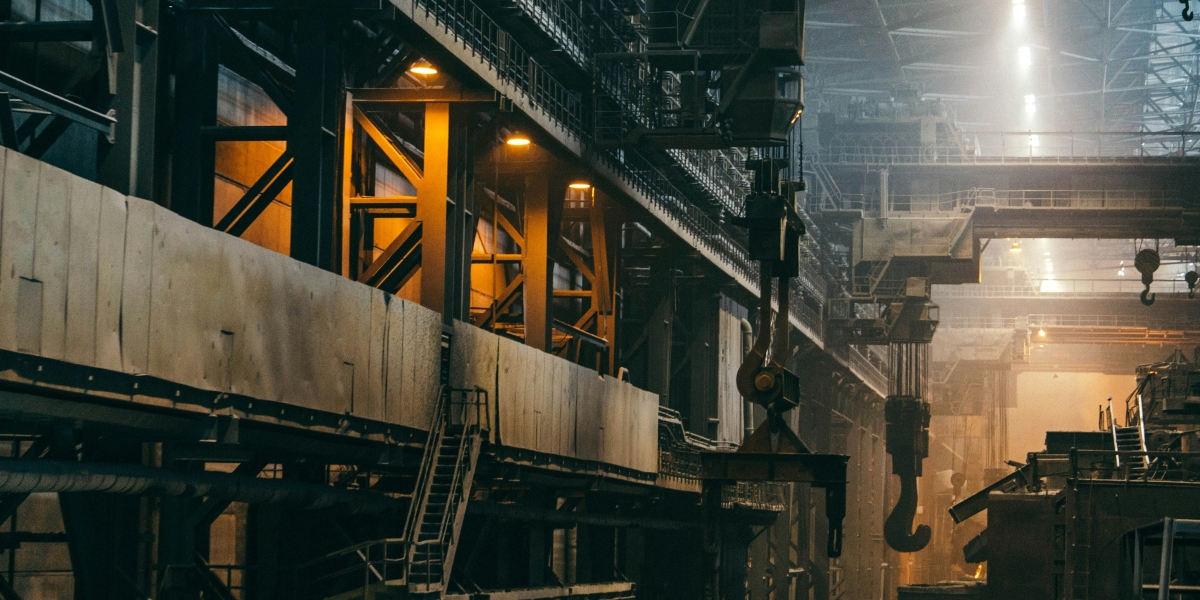


Jet engine components can experience temperatures exceeding 2,000 degrees Fahrenheit during operation. Nuclear reactor vessels may face decades of neutron bombardment and thermal cycling. Oil drilling equipment often operates miles underground, where pressures can reach 20,000 psi and corrosive fluids may attack every surface. These extreme conditions require manufacturing techniques specifically designed to produce materials that are more likely to withstand conditions that might cause ordinary metals to fail.
The challenge extends beyond the finished products themselves. Every component moving through these manufacturing processes needs identification that is capable of surviving the same brutal conditions used to create the parts. When turbine blades go through vacuum heat treatment at 2,200 degrees or pressure vessels undergo stress-relieving in massive furnaces, their identification must be able to emerge intact and readable, or traceability might be lost at the most critical production stages.
Forging Operations That Test Material Limits
Forging shapes metal through extreme compressive forces that can exceed 50,000 tons. The process heats material to temperatures where it becomes plastic enough to flow into dies under pressure, creating grain structures aligned for maximum strength. Open-die forging creates basic shapes, while closed-die forging produces precise components with tight tolerances. Either way, the forces involved would likely pulverize anything not designed to withstand them.
Hot forging operations typically occur between 1,800 and 2,300 degrees Fahrenheit, depending on the alloy being worked. At these temperatures, most adhesive labels are likely to vaporize instantly, printed markings could oxidize away, and even some welded attachments may fail. Parts entering forging furnaces need identification methods that can endure not just the heat but also the mechanical shock of hammer blows or press forces that reshape the metal.
Cold forging presents different challenges by working metal at or near room temperature using extreme pressures. The lack of heat seems less demanding, but the forces involved can deform improperly attached identification or shear off tags that aren’t integrated properly with the base material. Components for automotive or aerospace applications often go through multiple forging operations, meaning their identification must be able to survive repeated exposure to these forces.
Traceability through forging operations is essential for quality control and regulatory compliance. When a batch of turbine discs gets forged, operators need to track which heat of raw material went into which finished components. If testing later reveals problems with specific material lots, this traceability can enable targeted recalls rather than scrapping entire production runs. Lost identification at the forging stage might break this chain of custody with expensive consequences.
Casting Processes in Molten Metal Environments
Investment casting produces intricate components by pouring molten metal into ceramic molds created from wax patterns. The process can work with superalloys that melt at temperatures approaching 3,000 degrees Fahrenheit. After casting, components typically go through solution heat treatment and aging cycles that further expose them to sustained high temperatures. Any identification that survives these processes is likely to require exceptional thermal stability.
Sand casting and permanent mold casting present similar identification challenges, though at somewhat lower temperatures depending on the alloys involved. Aluminum castings might experience temperatures around 1,300 degrees, while steel castings may exceed 2,800 degrees. The molten metal environment, combined with post-casting heat treatments, creates conditions where conventional marking methods might not function well.
Die casting operates at lower temperatures than investment casting but produces parts at high volumes, where tracking becomes essential. When a die casting machine produces thousands of components per day, maintaining individual part traceability requires identification that can survive the casting process and remain readable through subsequent machining and finishing operations. Lost traceability in high-volume production can create chaos for quality systems that depend on knowing exactly when and where each component was manufactured.
Some operations integrate identification during the casting process itself by incorporating raised or recessed features in the mold. This approach creates markings that are literally part of the component rather than attached afterward. However, this method has some limitations in terms of information density and flexibility; changing serial numbers or adding data would require mold modifications rather than simply printing new tags.
Heat Treatment Cycles That Change Material Properties
Heat treatment transforms metal properties through controlled heating and cooling cycles that alter crystalline structures at the molecular level. Annealing reduces hardness and improves machinability. Quenching and tempering increase strength and toughness. Carburizing adds carbon to surface layers for wear resistance. Each treatment involves specific temperature profiles and atmospheres that present unique challenges for identification survival.
Vacuum heat treatment removes air to prevent oxidation of reactive metals like titanium or certain high-temperature alloys. These processes might maintain temperatures of 1,800 to 2,200 degrees for several hours in a near-total vacuum. The combination of high heat and a vacuum environment creates conditions where outgassing from inappropriate materials could contaminate the furnace atmosphere and ruin expensive loads of components. Identification methods must use materials that are unlikely to introduce contaminants.
Cryogenic treatment takes the opposite approach by cooling components to temperatures as low as -320 degrees Fahrenheit using liquid nitrogen. This extreme cold further refines grain structure and relieves residual stresses. Components might cycle between cryogenic temperatures and room temperature multiple times, creating thermal shock that can crack brittle materials or delaminate bonded attachments. Permanent marking systems using metal tags for harsh environments need to accommodate these thermal extremes without failure.
Case hardening processes like nitriding expose parts to nitrogen-rich atmospheres at 900 to 1,100 degrees for extended periods. The nitrogen diffuses into the surface, creating extremely hard layers while maintaining a tough core. Identification placed in the wrong locations might experience property changes from these treatments, potentially weakening critical areas or creating stress concentrations that could become failure initiation points.
Why Material Selection for Identification Matters
Matching identification materials to the components they’re marking prevents differential thermal expansion problems. When a stainless steel part gets tagged with an aluminum nameplate, the different expansion rates during heat treatment can create stresses that warp the component or cause the tag to separate. Using identification materials with similar thermal expansion coefficients minimizes this mismatch.
Chemical compatibility becomes critical in processes involving reactive atmospheres or corrosive environments. Identification materials that would perform adequately in air may react with carburizing atmospheres, salt baths, or the molten metal environments they’re exposed to during certain manufacturing processes. Selecting materials specifically designed for these exposures helps avoid contamination and maintains identification integrity.
Attachment methods determine whether identification survives mechanical processing after heat treatment. Spot welding, laser engraving, mechanical staking, or adhesive bonding each has appropriate applications depending on the component material, subsequent processing steps, and service environment. Choosing the wrong attachment method might result in identification that falls off or attachment points that become potential structural weak points in the finished component.
Readability after processing matters as much as survival. An identification tag that technically survives heat treatment but becomes discolored, oxidized, or otherwise difficult to read might fail to serve its purpose. Materials and marking methods need to maintain legibility throughout manufacturing and into service life, which can span decades in harsh operating environments.
Documentation Requirements That Drive Identification Needs
Aerospace and nuclear industries operate under regulations requiring complete material traceability from raw material certification through finished component installation. Each heat treatment cycle, dimensional inspection, and quality check requires documentation linked to specific serial numbers. This creates situations where lost identification not only inconveniences production; it could render expensive components unsaleable because proper documentation chains can’t be established.
AS9100 aerospace quality standards and ASME nuclear codes specify identification requirements, including durability, readability, and information content. Compliance with these standards determines whether manufacturers can sell components to regulated industries. The identification methods themselves become part of the quality system, subject to audit and verification.
Medical device manufacturing under FDA regulations similarly requires component traceability that survives sterilization cycles, including both steam autoclaving and radiation sterilization. Devices implanted in human bodies might remain in service for decades, meaning their identification must outlast not just manufacturing but years of biological exposure.
Industries producing equipment for these extreme applications have learned that identification isn’t merely an afterthought; it’s an integral part of manufacturing processes that requires as much engineering attention as the components themselves. Getting it right can prevent expensive sorting problems, quality system failures, and regulatory compliance issues that might shut down production until resolved.