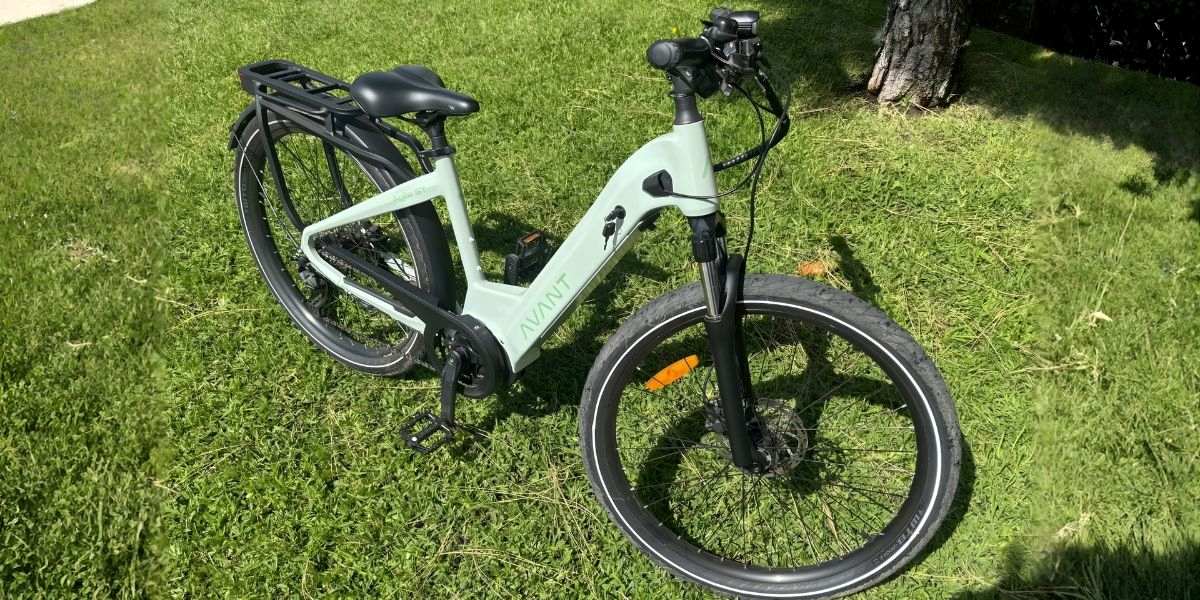


In recent years, electric bikes (e-bikes) have shifted from niche gadgets to practical tools for daily commuting, errands, and even fitness. With so many models and styles on the market now, it can be hard to know which one is the right choice for your everyday needs. Whether you’re aiming to cut down on car trips, tackle a hilly commute, or simply enjoy riding with less effort, choosing the right e-bike can make a difference.
Whether you’re a first-time buyer or upgrading from an old model, here are the key things to consider—and how to find great electric bikes for sale that might fit your lifestyle.
Define Your Everyday Purpose
Before anything else, think about how you’ll be using your e-bike:
- Daily commute: Prioritize comfort, reliability, and range.
- Errands & grocery trips: Look for cargo-friendly or commuter e-bikes.
- College campus or city use: Lightweight and nimble bikes work best.
- Fitness rides: Hybrid or trekking e-bikes offer a good balance.
Once you know your primary use, you can narrow down the style that suits you most.
Understand Key E-Bike Categories
Here are the most common types you’ll encounter:
- Commuter / City E-Bikes: Efficient and comfortable for urban riding. Often fitted with fenders, lights, and racks.
- Hybrid E-Bikes: A mix between road and mountain bikes—versatile for various terrains.
- Folding E-Bikes: Great for small storage spaces or combining with public transit.
- Cargo E-Bikes: Designed to carry heavier loads, ideal if you run errands regularly.
Your daily route and needs will likely determine which type makes the most sense.
Motor Power and Battery Life
The heart of any e-bike is its motor and battery:
- Motor Types: Hub motors (rear or front) are common and affordable, while mid-drive motors might deliver smoother power and potentially better hill performance.
- Battery Range: Think in terms of how far you’ll ride each day. If your commute is 20–30 km, a battery range of at least 50 km might be a reasonable target.
Make sure to check manufacturer claims against real rider reviews, as terrain and rider weight can affect performance.
Comfort and Fit Matter
An uncomfortable bike becomes a chore to ride. Consider:
- Frame size: Choose one that matches your height and inseam measurement.
- Handlebars and saddle: Upright positions are more relaxed; sportier bars lean you forward.
- Suspension: Front suspension or seat post suspension can smooth rough roads.
Test rides are invaluable here—comfort is deeply personal.
Features for Everyday Use
Look for practical extras that might make daily riding easier:
- Built-in lights and reflectors for safety
- Integrated racks or panniers for carrying items
- Fenders to keep you dry and clean
- Good quality brakes (hydraulic disc brakes are often a good choice)
These small details could add up to a more enjoyable and functional ride.
Budget and Value
Electric bikes can vary significantly in price, from entry-level models under €1,000 to premium bikes above €3,000. Decide what features matter most to you and find a bike that might offer reliability and quality within your budget.
You don’t always need the most expensive model—but try to avoid cutting corners on core components like the motor, battery, and frame.
Where to Find Reliable Options
When shopping for your next ride, choose a trusted source with a range of quality bikes. For example, you can explore excellent electric bikes for sale that suit everyday commuting, running errands, and all-around use.
Final Thoughts
Choosing the right electric bike for everyday use comes down to understanding how you’ll ride, what features matter most, and finding a bike that fits both your body and your budget. With thoughtful research and test rides, you might soon be cruising comfortably—and sustainably—on your perfect e-bike.
Happy cycling!