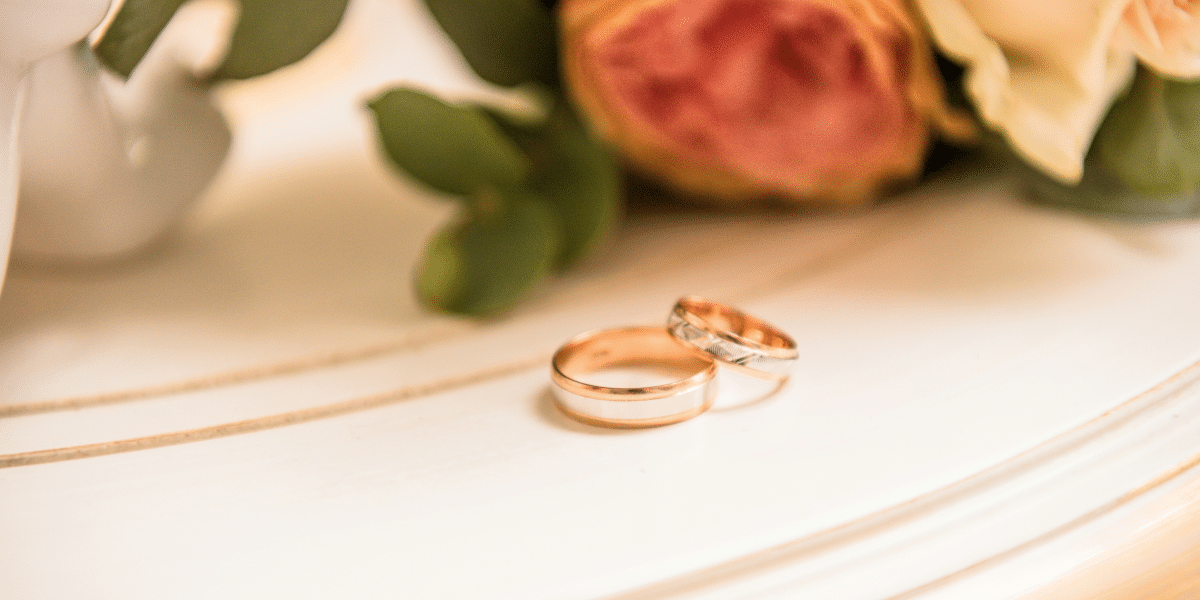


You are about to start one of the most exciting journeys of your life: buying your partner an engagement ring. Whatever level of knowledge you have about fine jewelry, there is always more to learn about engagement rings. This article will delve into everything you need to know about engagement rings Melbourne.
Settings and Diamonds are Often Sold Separately
When shopping for an engagement ring, it’s essential to know that settings (the part that holds the diamond) and diamonds are often sold separately. You may need to select a setting and a diamond separately and assemble them into a complete ring.
Some jewelers offer pre-set rings, but many allow you to mix and match to create a customized ring that fits your preferences and budget.
Jewelry Experts Say to Prioritize Diamond Cut
When choosing a diamond for an engagement ring, jewelry experts often advise prioritizing the diamond’s cut. The cut determines how well the diamond reflects light, giving it sparkle and brilliance.
Remember, a well-cut diamond can make even a smaller stone appear more radiant and beautiful, while a poorly cut diamond may lack luster and shine. Consider opting for a higher-quality cut, even if it means sacrificing slightly in other areas like size or clarity.
Shape and Settings Set Style
The diamond’s shape and the ring’s setting play a significant role in determining its overall style. Different diamond shapes, such as round, princess, or oval, can create distinct looks, from classic and traditional to modern and contemporary.
Similarly, the setting, whether a solitaire, halo, or vintage-inspired design, can further enhance the ring’s style and aesthetic. Consider your partner’s taste and lifestyle when choosing the diamond shape and the ring setting to ensure it reflects their style.
There’s No “Right” Amount to Spend
Contrary to popular belief, there’s no “right” amount to spend on an engagement ring. The tradition of paying a certain percentage of your income on a ring is outdated and not practical for everyone. Instead, focus on finding a ring that fits your budget and feels comfortable for you.
Consider factors like your financial situation, savings goals, and other expenses before deciding on a budget for the ring. Remember that the ring’s value lies in the love and commitment it represents, not its price tag.
You Can Always Upgrade Later
If you’re concerned about budget constraints or uncertain about your partner’s preferences, remember that you can always upgrade the engagement ring later.
Many couples choose to start with a more affordable ring and then upgrade to a larger or higher-quality diamond for a special anniversary or milestone. This allows you to focus on the sentiment of the ring at the time of the proposal while leaving room for future upgrades as your circumstances change.
Warranties are Not the Same Thing as Jewelry Insurance
A warranty typically covers manufacturing defects and may offer repairs or replacements within a specific time frame. On the other hand, Jewelry insurance provides coverage for loss, theft, or damage to the ring, regardless of the cause.
While some jewelers offer warranties with their rings, investing in separate jewelry insurance is crucial to protect your investment. When choosing a policy, look for one that provides comprehensive coverage and consider factors like deductible amounts and coverage limits.
Understanding the distinction between warranties and insurance ensures that your engagement ring is adequately protected against unforeseen events.
Begin Your Ring Journey
With an understanding of the components, styles, trends, and buying considerations, you can choose the perfect ring that reflects your love story. So, take the next step, explore your options, and begin your ring journey with anticipation and joy. The perfect ring awaits to mark the beginning of your forever together.
Published By: Aize Perez